French Bulldog for Apartment: Is This Breed a Great Choice for Small Spaces?
french bulldog for apartment

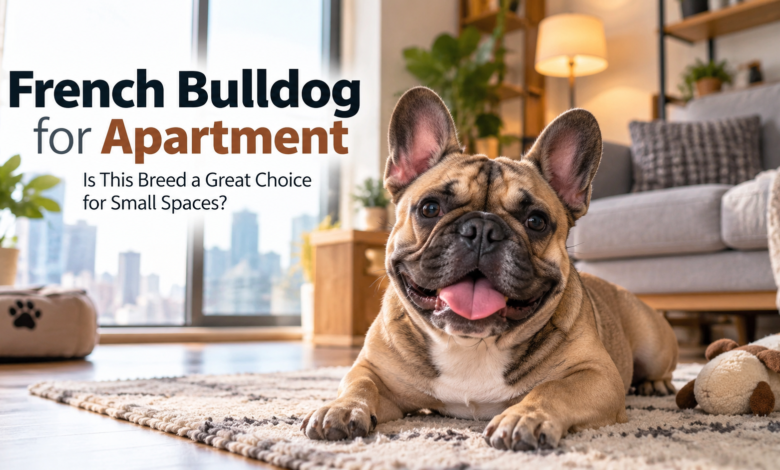
Choosing a dog for an apartment requires more than looking at size. Noise levels, exercise requirements, temperament, grooming, health needs, and how well a dog handles indoor living all matter. A French Bulldog for apartment life can be an appealing choice because this compact breed generally does not need a large yard and often enjoys spending time close to its family.
However, French Bulldogs are not completely maintenance-free apartment dogs. Their short muzzle makes them vulnerable to breathing and heat-related problems, while their affectionate personality means they may struggle when left alone for long periods. This guide explains what apartment owners should know before bringing home a French Bulldog, including exercise, training, health, grooming, feeding, expenses, and everyday safety.
Is a French Bulldog for Apartment Living a Good Choice?
For many households, a French Bulldog for apartment living can work very well. French Bulldogs are small, adaptable companion dogs that typically get much of their exercise through short walks and indoor play. They do not require the kind of extensive running space needed by highly athletic breeds.
Their moderate exercise needs are particularly convenient for people living in flats or smaller homes. A few short, gentle walks combined with play and mental stimulation can often meet their daily activity needs. They also tend to enjoy relaxing beside their owners after activity.
The important exception is that apartment suitability should never be judged by size alone. French Bulldogs can develop separation-related behaviors, dislike excessive heat, and require careful monitoring during exercise. A busy owner who is away for most of the day may find the breed more challenging than expected.
Before adopting or purchasing one, consider your building’s pet rules, access to outdoor areas, elevator or stair arrangements, summer temperatures, and how much time you can spend with your dog.
Why a French Bulldog for Apartment Homes Can Work
One of the biggest advantages of a French Bulldog for apartment homes is its compact size. An adult French Bulldog generally weighs under 28 pounds, according to the breed standard, although individual dogs can vary. Its relatively small body makes it easier to manage in a limited living space.
French Bulldogs are also companion-oriented rather than dogs that need constant outdoor activity. They often enjoy interactive games, short walks, training sessions, and simply being near their people.
Another advantage is that they can adapt to different routines when their physical and emotional needs are met. A well-exercised French Bulldog can be content relaxing indoors for much of the day.
Their personality can also suit apartment communities. They are often playful, affectionate, and entertaining, although individual dogs differ. Early socialization and positive training are important because a small dog can still develop excessive barking, jumping, or leash-pulling if these behaviors are not addressed.
For an apartment owner, the goal is not to tire the dog out with intense exercise. Instead, provide consistent activity, enrichment, training, rest, and companionship.
Exercise and Daily Routine for a French Bulldog for Apartment Life
A French bulldog for apartment living needs regular activity, but strenuous exercise is generally inappropriate. Because French Bulldogs are brachycephalic, meaning they have a shortened skull and muzzle, they can have difficulty cooling themselves through panting.
Short walks are usually more suitable than long-distance runs. Indoor games can also provide useful physical and mental stimulation, particularly when weather conditions make outdoor activity unsafe.
A practical daily routine might include:
- A short morning walk when temperatures are comfortable.
- Several brief play or training sessions during the day.
- Another gentle walk in the evening.
- Puzzle toys or scent-based games for mental enrichment.
- Plenty of quiet rest between activities.
Watch your dog’s breathing rather than relying only on a predetermined distance or exercise schedule. Heavy or noisy breathing, excessive panting, weakness, or difficulty recovering after activity should be taken seriously.
During hot and humid weather, exercise may need to be reduced or moved to cooler times. Never assume that an air-conditioned apartment eliminates heat risk. Outdoor temperatures, humidity, travel, and poorly ventilated areas can all contribute to overheating.
Health Concerns Apartment Owners Should Know
Health is the biggest consideration when choosing a French Bulldog for apartment living. The breed’s distinctive flat-faced appearance is associated with an increased risk of breathing problems. Some French Bulldogs develop brachycephalic obstructive airway syndrome, which can interfere with normal breathing and exercise tolerance.
Other concerns can include skin-fold irritation, allergies, ear problems, eye injuries, spinal or disc disease, and difficulties related to body structure. Some individuals may also have trouble regulating body temperature.
Weight management is especially important. Extra body weight can place additional stress on breathing, joints, and overall mobility.
Owners should arrange regular veterinary examinations and discuss preventive care with their veterinarian. Seek urgent veterinary help if a French Bulldog has severe breathing difficulty, collapses, develops blue or gray gums, or shows signs of serious overheating.
Responsible breeding also matters. When buying a puppy, look for breeders who prioritize health and temperament rather than exaggerated facial features. Ask about appropriate health screening of the parents and veterinary records.
Training, Socialization, and Living With Neighbors
A French Bulldog for apartment life becomes much easier when basic manners are taught early. French Bulldogs can be clever and entertaining, but they may also have a stubborn streak. Short, positive training sessions usually work better than repetitive or harsh methods.
Start with toilet training, name recognition, leash skills, recall foundations, handling, and basic cues. Reward desirable behavior consistently.
Socialization is equally important. Puppies should gradually experience different people, safe environments, household sounds, surfaces, and appropriately vaccinated dogs. The objective is not to expose a puppy to everything at once but to create calm, positive experiences.
Apartment living also means considering neighbors. A French Bulldog may not be a particularly loud breed, but boredom, frustration, excitement, or separation distress can lead to barking or other disruptive behavior.
If your dog will spend time alone, build independence gradually. Provide a comfortable resting area and safe enrichment toys. Avoid suddenly leaving a puppy alone for many hours.
Food, Grooming, and Monthly Costs
A healthy French Bulldog for an apartment lifestyle also depends on proper nutrition. Feed a complete and balanced dog food appropriate for the dog’s age, size, and individual needs. Portion control matters because French Bulldogs can gain excess weight relatively easily.
Treats should be included in the overall daily calorie intake rather than given without limits. Your veterinarian can help determine an appropriate body condition and feeding amount.
Grooming is relatively straightforward because the coat is short, but that does not mean the breed requires no maintenance. Regular brushing can help remove loose hair. Facial folds should be checked and kept clean and dry when needed, and ears, nails, teeth, and skin should be monitored routinely.
Apartment owners should budget for more than food. Typical expenses can include veterinary examinations, vaccinations, parasite prevention, grooming supplies, toys, bedding, training, and unexpected medical treatment. French Bulldogs can have substantial veterinary expenses because of their breed-associated health risks, so pet insurance may be worth considering where suitable coverage is available.
Pros and Cons of a French Bulldog for Apartment Owners
A French Bulldog for apartment living has several genuine advantages, but potential owners should consider the drawbacks just as carefully.
Pros:
- Compact and well suited to smaller homes.
- Usually satisfied with moderate daily exercise.
- Affectionate and strongly people-oriented.
- Can enjoy indoor play and enrichment.
- Does not require a large yard.
- Often adaptable to urban routines.
Cons:
- Increased risk of breathing-related problems.
- Sensitive to heat and strenuous exercise.
- Can develop separation-related behaviors.
- May be prone to several breed-associated health issues.
- Requires careful weight management.
- Veterinary expenses can be higher than expected.
The right choice depends on your lifestyle, not simply the size of your apartment. A spacious apartment cannot compensate for insufficient companionship, while a smaller home can work if the dog’s needs are consistently met.
How to Make Apartment Life Safer and Happier
If you decide a French Bulldog for apartment living is appropriate, design the home around safety and comfort. Keep the sleeping area away from excessive heat and provide access to fresh water. Secure balconies and windows, remove hazardous objects, and keep toxic foods and household chemicals out of reach.
Because French Bulldogs can overheat quickly, never leave one in a hot car or poorly ventilated space; be particularly cautious during hot, humid weather.
Mental stimulation is also valuable. Food puzzles, short training exercises, scent games, chew-safe enrichment, and interactive play can help prevent boredom without requiring strenuous exercise.
Pay attention to your individual dog’s breathing, energy, weight, and behavior. Breed averages are useful, but your veterinarian can provide advice based on your dog’s actual health and physical condition.
Conclusion: Is a French Bulldog for Apartment Living Right for You?
For the right owner, a French Bulldog for apartment living can be a rewarding arrangement. The breed’s compact size, affectionate nature, and moderate exercise requirements make it practical for many urban households.
However, French Bulldogs require responsible care. Their breathing anatomy, heat sensitivity, potential health problems, and need for companionship should be taken seriously. They are not ideal for owners looking for a dog that can accompany them on long runs or spend most of the day outdoors.
If you can provide controlled exercise, appropriate nutrition, training, companionship, preventive veterinary care, and a cool, safe indoor environment, a French Bulldog for apartment life may be a good match. The best decision is one based on the individual dog’s health and your ability to meet its needs throughout its lifetime.
More Pet Guides: For more pet-related guides, tips, and helpful information, visit PetOrbit.blog. Thank you for reading this article!
(FAQs)
Is a French Bulldog for apartment living suitable for first-time owners?
A French Bulldog for apartment living can suit a first-time owner, but the breed requires careful attention to heat, breathing, weight, and general health. New owners should be prepared to learn basic training and recognize signs of respiratory distress or overheating. Regular veterinary care is also important.
How much exercise does a French Bulldog need in an apartment?
A French Bulldog for apartment living generally benefits from several short periods of activity rather than intense or prolonged exercise. Gentle walks, indoor play, and brief training sessions can provide both physical activity and mental stimulation. Exercise should be adjusted for the dog’s age, health, fitness, and weather.
Can a French Bulldog stay alone in an apartment?
A French bulldog in apartment home may struggle if routinely left alone for long periods because the breed often forms strong bonds with its owners. Dogs differ, so some tolerate alone time better than others. Gradual independence training, enrichment, and a consistent routine can help.
Do French Bulldogs bark a lot in apartments?
A French bulldog for apartment life can be relatively peaceful when the dog receives enough attention, enrichment, and training. However, barking can develop because of boredom, excitement, fear, territorial behavior, or separation distress. Identifying the cause is more effective than simply trying to suppress the noise.
Are French Bulldogs safe in hot weather?
A French Bulldog in an apartment environment should be kept comfortably cool during hot weather. French Bulldogs can be particularly vulnerable to overheating because of their shortened airways and reduced ability to cool themselves efficiently. Avoid strenuous exercise during heat and seek veterinary assistance if overheating is suspected.
What should I feed a French Bulldog?
A French Bulldog for an apartment lifestyle should include a complete and balanced diet suited to the dog’s life stage and individual needs. Portion control is important because maintaining a healthy body weight can reduce unnecessary strain on breathing and joints. Your veterinarian can recommend an appropriate diet and feeding amount.
Is a French Bulldog difficult to train?
A French Bulldog for apartment living becomes easier when training starts early. French Bulldogs can learn quickly, but some may be independent or stubborn. Positive reinforcement, short sessions, consistency, and rewards are generally more effective than punishment.
Is a French Bulldog a good apartment dog overall?
Yes, a French Bulldog for apartment living can be a good option when the owner understands the breed’s limitations. Its small size and moderate exercise needs are advantages, but respiratory health, heat sensitivity, companionship, and veterinary care require serious consideration. A healthy, responsibly bred, well-socialized individual is more likely to thrive in an apartment environment.

I’m a Pet Niche Expert and Pet Blogger with 12 years of experience in researching and sharing practical, reliable information about pets. Through PetOrbit.blog, I help pet parents and animal lovers better understand their pets and make informed decisions about their care and well-being.
My expertise covers a wide range of pet topics, including pet health, pet food and nutrition, dog and cat breeds, grooming, behavior, training, safety, pet care, travel with pets, and overall pet wellness. I also explore information about different types of pets, their unique needs, characteristics, lifestyles, and responsible ownership.
With more than 12 years of experience in the pet niche, my focus is on creating clear, useful, and easy-to-understand content based on practical knowledge, careful research, and real-world pet care considerations. I believe pet information should be informative without being unnecessarily complicated, so my goal is to make every article helpful for both new and experienced pet owners.
At PetOrbit, my mission is to provide valuable pet guides, breed information, health and nutrition insights, food and care tips, travel advice, and trustworthy resources that help pets live healthier, happier, and more comfortable lives.
PetOrbit.blog — Practical Pet Knowledge for Better Pet Care.