Best Dogs for Fishing: 15 Amazing Dogs That Love Water & the Outdoors

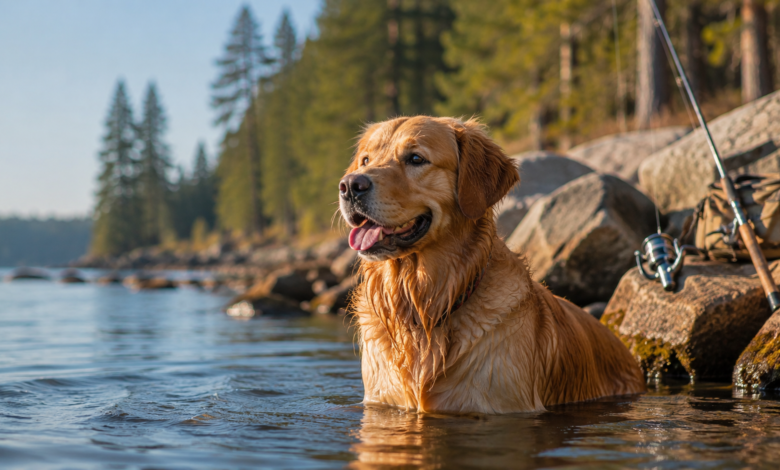
If you enjoy spending a morning beside a lake, casting from a boat, or hiking to a remote fishing spot, the right dog can make the experience even better. The best dogs for fishing are typically energetic, trainable, comfortable around water, and happy spending hours outdoors with their owners.
However, not every water-loving breed is equally suited to fishing trips. Some are excellent swimmers and natural retrievers, while others are better hiking companions or boat dogs. In this guide, you’ll discover 15 breeds worth considering, what makes them suitable for fishing, and the safety precautions every owner should know before bringing a dog near the water.
Why Dogs for Fishing Make Great Outdoor Companions
Fishing combines several activities that many active dogs enjoy: walking, exploring, swimming, retrieving, and spending time with their people. Sporting breeds are especially well suited because generations of selective breeding gave many of them strong retrieving instincts and a willingness to work alongside humans.
Good fishing dogs should also have reliable recall and basic obedience. A dog that constantly chases wildlife, jumps unexpectedly from a boat, or runs after fishing lures can quickly turn a relaxing trip into a dangerous situation.
Temperament matters, too. Calm, adaptable dogs often handle long periods of waiting better than extremely restless dogs. At the same time, the dog should have enough stamina for the surrounding terrain and weather.
Remember that breed tendencies are not guarantees. Individual personality, training, age, fitness, and previous experience around water can matter just as much as breed.
15 Best Dogs for Fishing
Several breeds stand out for their combination of athleticism, intelligence, water confidence, and retrieving ability.
1. Labrador Retriever: Labs are among the most obvious choices. They are athletic, eager to please, strong swimmers, and famous for retrieving. Their friendly temperament also makes them excellent family companions.
2. Golden Retriever: Golden Retrievers combine enthusiasm with trainability. Many enjoy swimming and retrieving, making them excellent companions for lakes, rivers, and other outdoor adventures.
3. Chesapeake Bay Retriever: Developed specifically for retrieving waterfowl in challenging conditions, the Chesapeake Bay Retriever is powerful, hardy, and naturally comfortable around water.
4. Portuguese Water Dog: This energetic breed has a long history of working around water. Portuguese Water Dogs are intelligent, athletic, and often enthusiastic swimmers.
5. American Water Spaniel: Compact but energetic, this American sporting breed was developed for hunting and retrieving. Its manageable size can suit owners who want an active but smaller fishing companion.
6. Irish Water Spaniel: Known for its distinctive curly coat and excellent swimming ability, the Irish Water Spaniel is energetic and intelligent. It generally does best with owners who can provide substantial exercise.
7. Boykin Spaniel: Originally developed in South Carolina as a hunting and retrieving dog, the Boykin Spaniel is enthusiastic, compact, and well-suited to active outdoor households.
8. Nova Scotia Duck Tolling Retriever: Tollers are agile, intelligent, and energetic. Their retrieving heritage makes them natural candidates for active trips near water, although they need plenty of mental stimulation.
9. English Springer Spaniel: Springers are athletic, eager to work, and highly trainable. With appropriate exercise and supervision, they can be excellent hiking and fishing companions.
10. German Shorthaired Pointer: This versatile sporting breed has tremendous stamina and enjoys outdoor activity. It is particularly suitable for anglers who combine fishing with hiking or exploring large areas.
11. English Setter: English Setters are active, graceful sporting dogs that can accompany owners on extended outdoor excursions. Their exercise needs make them better suited to adventurous households.
12. Brittany: The Brittany is smaller than many traditional sporting breeds but remains energetic and athletic. It can be an excellent companion for anglers who spend a lot of time walking between fishing locations.
13. Flat-Coated Retriever: Cheerful, energetic, and highly people-oriented, the Flat-Coated Retriever has strong retrieving instincts and generally enjoys active outdoor activities.
14. Curly-Coated Retriever: This athletic retriever has a water-resistant curly coat and a history as a working gun dog. It can be an excellent choice for experienced owners seeking an energetic outdoor companion.
15. Newfoundland: Newfoundlands are famous for their swimming ability and strength in water. They are generally calm and devoted, but their large size means owners should carefully consider boat capacity, transportation, grooming, and heat management.
Among these dogs, Labrador Retrievers, Golden Retrievers, Chesapeake Bay Retrievers, and other water-oriented sporting breeds are particularly natural choices. Still, the best breed depends on your fishing style and your dog’s individual temperament.
How to Choose the Right Dogs for Fishing
Choosing a fishing companion involves more than picking the breed that likes water most. Consider where you normally fish and what your dog will actually need to do.
For boat fishing, a calm temperament, solid obedience, and comfort on unusual surfaces matter. For shore fishing, stamina and reliable recall may matter more. If reaching your favorite spot requires long hikes, an athletic breed with the right endurance may be a better match.
Water temperature is another consideration. A dog that willingly enters cold water may still become dangerously chilled after prolonged swimming. Conversely, thick-coated breeds can struggle during hot weather.
Size also matters. A large dog may be difficult to manage in a small fishing boat, while a tiny dog can be more vulnerable around strong currents, steep banks, and cold water.
Before choosing a fishing dog, honestly evaluate your lifestyle. A highly energetic sporting breed may be wonderful on weekend adventures but frustrating if it spends most weekdays without enough physical and mental activity.
Fishing With Your Dog: Training and Safety Essentials
Good preparation makes fishing safer for both you and your dog. Start with basic commands such as “come,” “stay,” “leave it,“ and “drop it.“ These commands become especially valuable around hooks, bait, wildlife, and moving boats.
Never assume that a dog that loves swimming automatically knows how to handle every body of water. Rivers can have strong currents, and lakes may contain sudden drop-offs, underwater vegetation, or cold water.
If your dog rides in a boat, use a properly fitted canine life jacket with a secure handle. Even strong swimmers can become exhausted or disoriented after falling overboard.
Keep fishing equipment completely out of reach. Hooks can embed in paws, mouths, or skin, and fishing line can create serious entanglement hazards. Never leave used hooks and discarded line on the ground.
Also watch what your dog drinks. Encourage access to fresh drinking water rather than letting your dog drink untreated lake, river, or pond water.
What to Pack for Dogs for Fishing
A dedicated dog-fishing kit can prevent many common problems. Bring fresh water, a collapsible bowl, food or treats, waste bags, a leash, and a properly fitted life jacket if you’re near deep water.
A towel is useful after swimming, particularly for dogs with dense coats. Basic first-aid supplies can also help with minor cuts or paw injuries.
If your dog is likely to encounter ticks, mosquitoes, or other parasites, maintain veterinarian-recommended parasite prevention. Check the dog’s coat and skin after returning from grassy or wooded fishing areas.
For longer trips, bring shade and plan regular rest periods. Dogs can overheat even when their owners feel comfortable, especially during sunny weather or strenuous activity.
The goal is not to bring every possible accessory. Instead, focus on equipment that addresses the actual risks of your fishing environment.
Health, Exercise, and Grooming Considerations
Most dogs for fishing need regular exercise even when they are not on fishing trips. Sporting and working breeds can become bored or develop unwanted behaviors when you consistently neglect their physical and mental needs.
Swimming can provide excellent exercise, but it should complement—not replace—other appropriate activities. Gradually build endurance, particularly in puppies, older dogs, and dogs returning to activity after a long break.
After swimming, rinse your dog when appropriate and dry the ears and coat thoroughly. Dogs with floppy ears or dense hair around the ear canal may need especially careful monitoring for irritation after repeated water exposure.
Puppies also require additional caution. Young dogs should not be pushed into prolonged swimming or strenuous hikes simply because their adult breed is athletic. Senior dogs may likewise need shorter outings and more frequent breaks.
If your dog develops persistent coughing, weakness, limping, vomiting, diarrhea, unusual fatigue, or difficulty breathing after an outdoor trip, contact a veterinarian promptly.
Common Mistakes to Avoid With Dogs for Fishing
Even experienced dog owners can overlook water hazards. One common mistake is allowing a dog off-leash before establishing dependable recall. Another is assuming that swimming ability eliminates the need for supervision.
Never allow your dog to investigate fishing hooks, bait, or freshly caught fish without supervision. Some fish have sharp spines or bones that can cause injuries.
Avoid forcing a nervous dog into the water. Fear can make swimming unpredictable and increase the risk of panic. Instead, introduce water gradually in a shallow, controlled environment.
Finally, don’t overlook weather. Hot pavement, direct sun, humid conditions, cold water, and storms can all change the safety of an otherwise familiar fishing location.
Conclusion: Finding the Best Dogs for Fishing
The best dogs for fishing are not simply the breeds that can swim. They are dogs with the right combination of temperament, training, fitness, outdoor enthusiasm, and adaptability for your particular fishing routine.
Labrador Retrievers, Golden Retrievers, Chesapeake Bay Retrievers, Portuguese Water Dogs, spaniels, and several other sporting breeds are natural choices. However, a well-trained individual dog of another breed can also become a wonderful fishing companion.
Before heading out, prioritize recall training, water safety, fresh drinking water, secure fishing equipment, weather awareness, and appropriate rest. With those basics in place, your dog can safely join the outdoor experience instead of just tagging along.
More Pet Guides: For more pet-related guides, tips, and helpful information, visit PetOrbit.blog. Thank you for reading this article!
(FAQs)
What are the best dogs for fishing?
Labrador Retrievers, Golden Retrievers, Chesapeake Bay Retrievers, Portuguese Water Dogs, Boykin Spaniels, and American Water Spaniels are among the strongest choices. They tend to combine trainability, athleticism, retrieving instincts, and an affinity for water. However, individual temperament and training should always influence the final decision.
Can any dog become a fishing dog?
Many dogs can enjoy fishing trips, even if they are not traditional water breeds. A calm, obedient dog that enjoys outdoor activities can make an excellent companion. Key factors include reliable training, appropriate fitness, water safety, and the dog’s comfort with the environment.
Do dogs need life jackets while fishing?
A life jacket is strongly recommended when a dog is on a boat or around deep, unpredictable water. Even excellent swimmers can become exhausted or struggle after falling into cold water or a strong current. Choose a properly fitted canine life jacket with a sturdy handle.
Are Labradors the best dogs for fishing?
Labrador Retrievers are among the best-known choices because they are generally athletic, trainable, water-oriented, and naturally inclined to retrieve. However, “best“ depends on the owner’s fishing environment, the dog’s personality, and how much exercise the household can provide.
Can dogs eat fish caught while fishing?
Some properly prepared fish can be suitable for dogs, but raw fish, bones, hooks, seasoning, and spoiled fish can create risks. Never allow a dog to swallow a fish whole or access discarded bait and hooks. When in doubt, ask your veterinarian about the particular fish species and preparation.
How can I keep my dog safe around fishing hooks?
Keep hooks, lures, bait, fishing line, and tackle secured whenever they are not being used. Train your dog to respond reliably to “leave it“ and supervise closely. If a hook becomes embedded in your dog’s mouth, paw, or skin, don’t pull it out yourself; contact a veterinarian for guidance.
Are large breeds suitable as dogs for fishing?
Large breeds can be excellent fishing companions, but their size can create practical challenges. A large dog may require more room on a boat, consume more water and food, and have greater difficulty coping with heat. Newfoundland dogs, for example, can be outstanding around water but require careful planning because of their size and heavy coat.
What should I bring when taking dogs for fishing?
Bring fresh drinking water, a bowl, leash, waste bags, treats or food, a towel, basic first-aid supplies, and a properly fitted life jacket for boating or deep-water activities. Check the dog’s paws, coat, and ears after the trip, and provide a cool, shaded place for recovery.

I’m a Pet Niche Expert and Pet Blogger with 12 years of experience in researching and sharing practical, reliable information about pets. Through PetOrbit.blog, I help pet parents and animal lovers better understand their pets and make informed decisions about their care and well-being.
My expertise covers a wide range of pet topics, including pet health, pet food and nutrition, dog and cat breeds, grooming, behavior, training, safety, pet care, travel with pets, and overall pet wellness. I also explore information about different types of pets, their unique needs, characteristics, lifestyles, and responsible ownership.
With more than 12 years of experience in the pet niche, my focus is on creating clear, useful, and easy-to-understand content based on practical knowledge, careful research, and real-world pet care considerations. I believe pet information should be informative without being unnecessarily complicated, so my goal is to make every article helpful for both new and experienced pet owners.
At PetOrbit, my mission is to provide valuable pet guides, breed information, health and nutrition insights, food and care tips, travel advice, and trustworthy resources that help pets live healthier, happier, and more comfortable lives.
PetOrbit.blog — Practical Pet Knowledge for Better Pet Care.
