
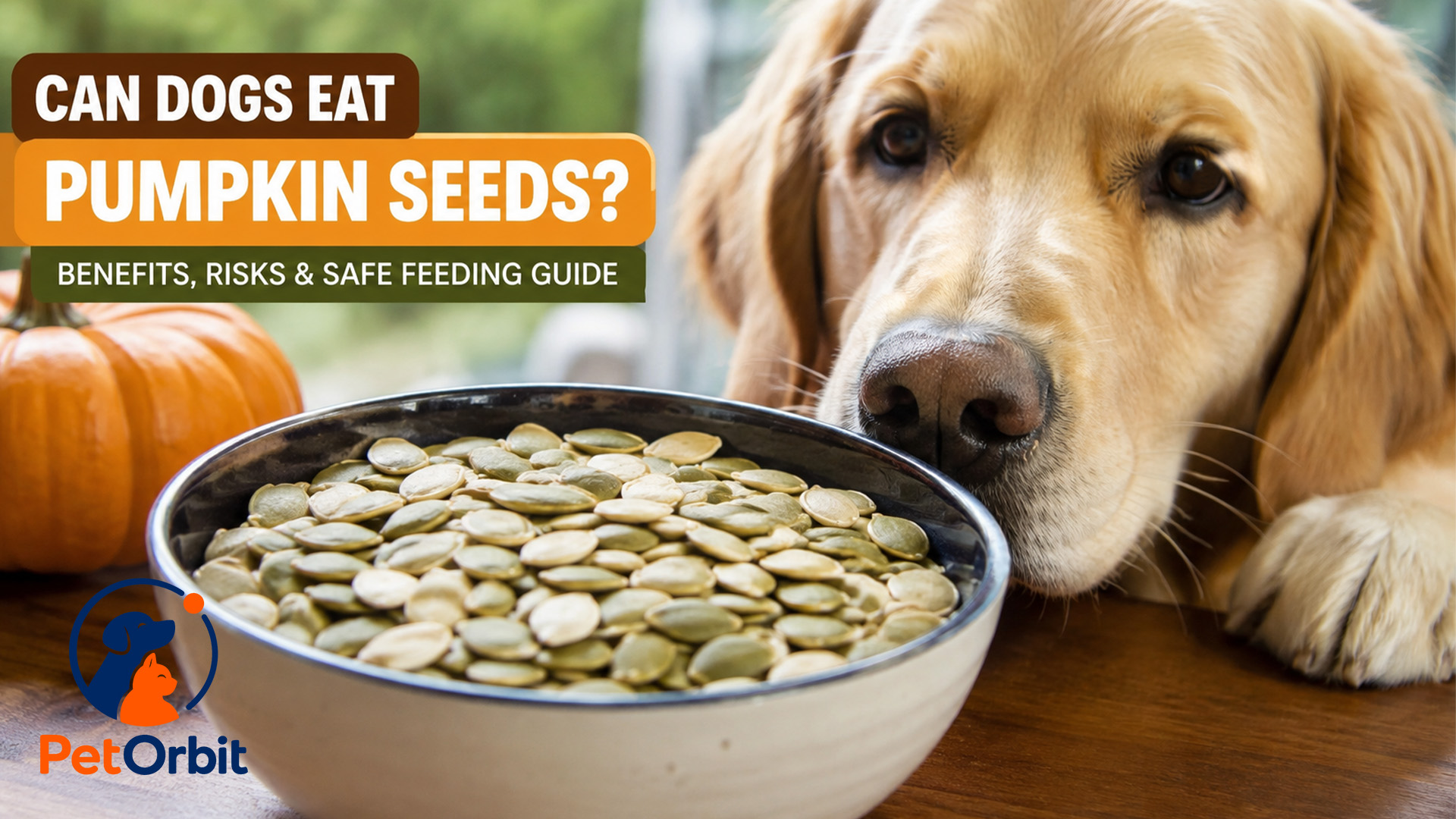
If you’ve ever carved a pumpkin or enjoyed roasted pumpkin seeds, you may have wondered, can dogs eat pumpkin seeds too? The good news is that pumpkin seeds can be a healthy treat for many dogs when prepared and served correctly. However, they aren’t suitable in every form, and feeding too many can cause digestive issues or unnecessary calorie intake.
In this guide, you’ll learn the nutritional benefits of pumpkin seeds, potential risks, the safest way to feed them, appropriate serving sizes, and when they should be avoided. Whether you have a playful puppy or a senior dog, understanding how to offer pumpkin seeds safely can help you make better nutrition decisions for your pet.
Table of Contents
ToggleWhy can dogs eat pumpkin seeds Safely in Moderation?
The simple answer is yes. Can dogs eat pumpkin seeds? Absolutely—but only in moderation and with proper preparation.
Pumpkin seeds are packed with valuable nutrients that support overall canine health. Unlike many processed treats, they provide naturally occurring vitamins, minerals, healthy fats, antioxidants, and fiber. These nutrients can contribute to healthy skin, a shiny coat, immune support, and proper digestion.
However, moderation is essential. Pumpkin seeds are calorie-dense and contain fat, meaning excessive amounts may contribute to weight gain or digestive upset. Dogs with certain medical conditions, especially pancreatitis or digestive disorders, should only eat pumpkin seeds after veterinary guidance.
For most healthy adult dogs, plain pumpkin seeds can be an occasional healthy snack rather than a daily staple.
Nutritional Benefits of can dogs eat pumpkin seeds
One reason pet owners ask can dogs eat pumpkin seeds is because these seeds contain an impressive range of nutrients.
Pumpkin seeds are rich in:
- Protein that supports muscle maintenance.
- Healthy unsaturated fats for skin and coat health.
- Fiber that promotes healthy digestion.
- Magnesium for muscle and nerve function.
- Zinc to support immune health.
- Iron for healthy red blood cells.
- Potassium for heart and muscle function.
- Vitamin E and antioxidants that help protect cells from oxidative damage.
They also contain plant compounds that support overall wellness. While pumpkin seeds should never replace a complete and balanced dog food, they can add nutritional variety as an occasional treat.
Some pet owners also believe pumpkin seeds help support urinary tract health and natural parasite control. Although pumpkin seeds contain compounds such as cucurbitacin, scientific evidence supporting parasite treatment in dogs remains limited. They should never replace veterinarian-prescribed deworming medications.
How to Prepare Pumpkin Seeds for Dogs
If you’re asking can dogs eat pumpkin seeds, preparation matters just as much as the ingredient itself.
Fresh or roasted plain pumpkin seeds are generally the safest choice. Avoid flavored or seasoned varieties because ingredients like garlic, onion powder, excessive salt, butter, sugar, or artificial flavorings can be harmful to dogs.
For the safest serving:
- Remove the tough outer shell if possible, especially for small dogs.
- Use plain roasted or raw pumpkin seeds without seasoning.
- Crush or grind the seeds for easier digestion.
- Feed only small portions.
- Introduce them gradually to monitor digestive tolerance.
Ground pumpkin seeds can easily be sprinkled over your dog’s regular food. This often improves digestibility while reducing the risk of choking, particularly for puppies and toy breeds.
Potential Risks of Feeding Pumpkin Seeds
Although can dogs eat pumpkin seeds has a positive answer for many healthy pets, there are important risks every owner should understand.
The biggest concern is portion size. Pumpkin seeds contain significant fat and calories. Feeding too many may contribute to obesity over time, particularly in less active dogs.
Potential risks include:
- Upset stomach
- Vomiting
- Diarrhea
- Constipation if excessive amounts are consumed
- Choking hazards from whole seeds
- Intestinal blockage in very small dogs if large quantities are swallowed
- Pancreatitis risk in dogs sensitive to fatty foods
Salted pumpkin seeds deserve special attention. High sodium intake can lead to excessive thirst, dehydration, and other health problems. Likewise, chocolate-coated, spicy, caramelized, or heavily seasoned pumpkin seeds should never be shared with dogs.
If your dog experiences vomiting, abdominal pain, lethargy, or persistent diarrhea after eating pumpkin seeds, discontinue feeding them and consult your veterinarian.
Serving Size and Feeding Recommendations
A common question after can dogs eat pumpkin seeds is how many are appropriate.
Pumpkin seeds should follow the general rule that treats make up no more than 10% of your dog’s daily calorie intake.
General serving guidelines include:
- Extra-small dogs: 1–2 ground seeds.
- Small dogs: 2–4 seeds.
- Medium dogs: 5–8 seeds.
- Large dogs: 8–12 seeds.
- Giant breeds: Up to 15 seeds occasionally.
These amounts are approximate and should be adjusted based on your dog’s size, age, activity level, and overall diet.
Puppies can occasionally have tiny amounts of finely ground pumpkin seeds after they begin eating solid food, but treats should remain minimal while they grow.
Senior dogs may benefit from the nutrients found in pumpkin seeds, but their calorie intake should be monitored carefully since metabolism often slows with age.
When Dogs Should Avoid Pumpkin Seeds
Although can dogs eat pumpkin seeds is generally answered with yes, certain dogs should avoid them altogether.
Dogs with these conditions may not tolerate pumpkin seeds well:
- History of pancreatitis
- Chronic gastrointestinal disease
- Food allergies involving seeds
- Severe obesity requiring strict calorie control
- Dogs recovering from abdominal surgery
- Pets with chewing or swallowing difficulties
Always consult your veterinarian before introducing any new food if your dog has chronic health conditions.
Additionally, remember that pumpkin flesh and pumpkin seeds are different foods. Plain cooked pumpkin puree often provides digestive benefits because of its soluble fiber, while pumpkin seeds contain more fat and calories. Both can have a place in a healthy diet, but they serve different nutritional purposes.
Expert Tips for Feeding Pumpkin Seeds Safely
If you’re still wondering can dogs eat pumpkin seeds, these practical tips will help you feed them responsibly.
Choose fresh, high-quality pumpkin seeds without additives. Grind them for easier digestion and better nutrient absorption. Introduce them slowly instead of offering a large amount at once.
Monitor your dog for any digestive changes during the first few feedings. Every dog responds differently to new foods.
Remember these best practices:
- Feed pumpkin seeds as an occasional treat.
- Never substitute them for complete dog food.
- Avoid salted or flavored varieties.
- Keep portions appropriate for your dog’s size.
- Store seeds in an airtight container to prevent spoilage.
- Pair healthy treats with regular exercise and a balanced diet.
Using pumpkin seeds responsibly allows your dog to enjoy their nutritional benefits while minimizing potential risks.
Conclusion
So, can dogs eat pumpkin seeds? Yes, healthy dogs can safely enjoy plain pumpkin seeds when they are prepared properly and served in moderation. These nutrient-rich seeds provide protein, healthy fats, fiber, minerals, and antioxidants that can complement a balanced canine diet.
The key is portion control. Choose unsalted, unseasoned pumpkin seeds, grind them when possible, and feed only small amounts based on your dog’s size. Dogs with pancreatitis, digestive disorders, or other medical conditions should only eat pumpkin seeds after veterinary advice.
When offered responsibly, pumpkin seeds can become a nutritious occasional treat that supports your dog’s overall well-being without replacing complete and balanced nutrition.
More Pet Guides: For more pet-related guides, tips, and helpful information, visit PetOrbit.blog. Thank you for reading this article!
(FAQs)
Can can dogs eat pumpkin seeds every day?
While dogs technically can eat small amounts regularly, pumpkin seeds are best offered as an occasional treat. Daily feeding may add unnecessary calories and fat, especially for less active dogs. Moderation helps maintain a healthy weight and balanced nutrition.
Are raw pumpkin seeds better than roasted pumpkin seeds?
Both raw and dry-roasted pumpkin seeds can be safe if they are plain and free from salt, oils, butter, or seasonings. Many owners lightly roast them to improve texture, but avoid high temperatures that may reduce some nutrients.
Can puppies eat pumpkin seeds?
Yes, puppies can eat very small amounts of finely ground plain pumpkin seeds after they have transitioned to solid food. Because puppies have sensitive digestive systems, new foods should always be introduced gradually and in tiny portions.
Do pumpkin seeds remove worms in dogs?
Pumpkin seeds contain natural compounds that have been studied for their potential effects on parasites, but there is not enough scientific evidence to recommend them as a reliable treatment. If your dog has intestinal worms, veterinary diagnosis and prescribed deworming medication remain the safest and most effective option.
Can dogs eat pumpkin seed shells?
Pumpkin seed shells are more difficult to digest and may present a choking risk, particularly for small dogs. Removing the shells or grinding the seeds is generally the safer choice.
What happens if my dog eats too many pumpkin seeds?
Eating excessive pumpkin seeds may lead to vomiting, diarrhea, stomach discomfort, constipation, or excessive calorie intake. In sensitive dogs, the high fat content may even trigger pancreatitis. Contact your veterinarian if symptoms are severe or persist.
Can senior dogs benefit from pumpkin seeds?
Yes. Senior dogs may benefit from the antioxidants, zinc, magnesium, and healthy fats found in pumpkin seeds. However, portion control is especially important because older dogs often require fewer calories.
Can dogs eat pumpkin seeds with pumpkin puree?
Yes, plain pumpkin puree and plain pumpkin seeds can both be included in moderation as part of a balanced diet. Pumpkin puree supports digestive health with soluble fiber, while pumpkin seeds contribute healthy fats, protein, and minerals. Avoid canned pumpkin products that contain sugar, spices, or artificial ingredients.

I’m a Pet Niche Expert and Pet Blogger with 12 years of experience in researching and sharing practical, reliable information about pets. Through PetOrbit.blog, I help pet parents and animal lovers better understand their pets and make informed decisions about their care and well-being.
My expertise covers a wide range of pet topics, including pet health, pet food and nutrition, dog and cat breeds, grooming, behavior, training, safety, pet care, travel with pets, and overall pet wellness. I also explore information about different types of pets, their unique needs, characteristics, lifestyles, and responsible ownership.
With more than 12 years of experience in the pet niche, my focus is on creating clear, useful, and easy-to-understand content based on practical knowledge, careful research, and real-world pet care considerations. I believe pet information should be informative without being unnecessarily complicated, so my goal is to make every article helpful for both new and experienced pet owners.
At PetOrbit, my mission is to provide valuable pet guides, breed information, health and nutrition insights, food and care tips, travel advice, and trustworthy resources that help pets live healthier, happier, and more comfortable lives.
PetOrbit.blog — Practical Pet Knowledge for Better Pet Care.





2 Comments