Can Cats Eat Scrambled Eggs? Safe Benefits, Risks, and Feeding Tips
can cats eat scrambled eggs

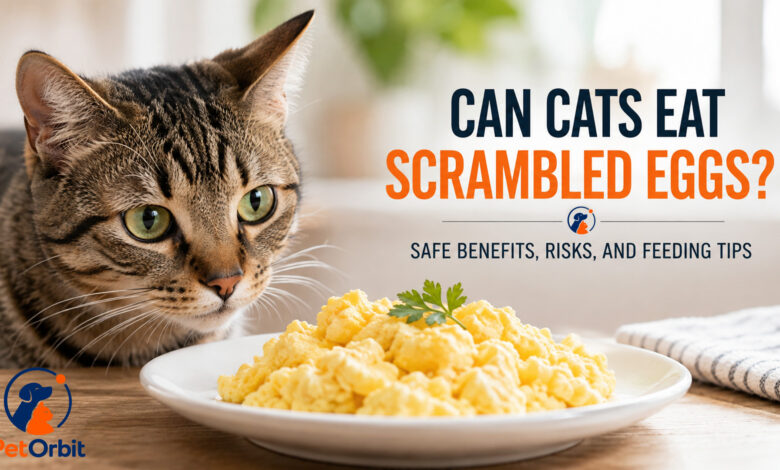
Cats are curious about many foods their humans enjoy, and scrambled eggs are no exception. So, can cats eat scrambled eggs safely? Yes. Plain, fully cooked scrambled eggs can be an occasional treat for most healthy cats when prepared without salt, spices, onion, garlic, or excessive fat. However, eggs should never replace a complete and balanced cat food.
If you are wondering can cats eat scrambled eggs as part of a healthy diet, the answer depends largely on preparation and portion size. This guide explains the nutritional benefits of eggs, how to cook them safely, how much to give your cat, potential risks, and when extra caution is needed.
Can Cats Eat Scrambled Eggs Safely?
Yes, can cats eat scrambled eggs is generally answered with a cautious yes, provided the eggs are fully cooked and served plain. Cats are obligate carnivores, so animal-based protein fits naturally into their nutritional needs. Eggs provide protein and amino acids, making a small amount a reasonable occasional treat.
The important distinction is between plain cooked eggs and the scrambled eggs people commonly prepare for themselves. Human recipes may contain butter, cream, cheese, salt, pepper, onion, garlic, or other seasonings. Some of these ingredients can cause digestive problems, while onion and garlic are toxic to cats and can damage red blood cells.
Therefore, if your cat wants a taste, offer a small amount of thoroughly cooked egg without added ingredients. Think of it as a treat rather than a regular meal.
Why Are Scrambled Eggs Good for Cats?
Eggs contain high-quality protein and a range of nutrients. The egg white is particularly protein-rich, while the yolk contains protein as well as fat. This makes cooked egg potentially useful as a small protein-rich treat for a healthy cat.
However, nutritional value does not mean that eggs should become a major part of your cat’s diet. Cats require a carefully balanced combination of protein, amino acids, fatty acids, vitamins, minerals, and other nutrients. A commercial cat food labeled complete and balanced is formulated to provide those requirements, whereas an egg alone is not nutritionally complete.
The yolk also adds calories and fat. Too many high-fat treats can contribute to excessive calorie intake and may cause gastrointestinal upset in some cats. For cats that are overweight, have a sensitive stomach, or have certain medical conditions, your veterinarian may recommend avoiding additional fatty foods.
In short, can cats eat scrambled eggs for nutritional benefits? Yes, but the benefits are best viewed as supplemental rather than essential.
How to Prepare Scrambled Eggs for a Cat
Preparation is one of the most important factors when deciding can cats eat scrambled eggs. The safest approach is remarkably simple: use plain egg and cook it thoroughly.
Crack an egg into a clean bowl and scramble it without adding salt, pepper, butter, oil, milk, cream, cheese, onion, garlic, or seasoning blends. Cook it completely rather than leaving the center runny. Veterinary guidance commonly recommends cooking eggs thoroughly to reduce the risk of harmful bacteria such as Salmonella.
Allow the egg to cool before offering it. Then mix a small amount with your cat’s normal food or provide it separately as an occasional treat.
Avoid giving your cat scrambled eggs from a breakfast plate unless you know exactly what ingredients were used. Even a recipe that seems harmless to people may contain ingredients that are unsuitable for cats.
For example, onion, garlic, and chives should never be intentionally added to a cat’s food. These Allium vegetables can cause gastrointestinal irritation and damage red blood cells, potentially leading to anemia.
How Much Scrambled Egg Can Cats Eat?
Portion size matters because cats are relatively small animals with modest daily calorie requirements. Even a food that is safe in small quantities can become unhealthy when offered too frequently.
A practical approach is to start with a very small portion, such as a teaspoon or less, particularly if your cat has never eaten egg before. Some veterinary guidance mentions approximately a tablespoon of cooked egg white as a supplemental amount, but individual calorie requirements vary considerably.
Treats and extras should remain a small part of the overall diet. ASPCA guidance recommends keeping treats to roughly 5–10% of a cat’s diet, while Purina similarly recommends treating egg as a treat rather than a meal.
If your cat is overweight, sedentary, diabetic, prone to digestive problems, or following a prescription diet, ask your veterinarian before adding eggs regularly.
So, can cats eat scrambled eggs every day? It is better not to make them a daily staple unless your veterinarian specifically recommends them as part of an individualized feeding plan.
Risks of Feeding Scrambled Eggs to Cats
Plain, fully cooked eggs are generally safe for healthy cats, but there are several reasons to avoid overfeeding them. The first is calories. Egg yolks contain more fat than egg whites, and frequent high-calorie treats can make weight management harder.
The second concern is preparation. Raw or undercooked eggs can carry bacteria such as Salmonella and E. coli. These organisms can make cats sick and can also create a household health concern because bacteria can spread between animals and people.
Raw egg whites also contain avidin, a protein that can interfere with biotin absorption when consumed regularly. Cooking the egg reduces this concern.
Another risk is hidden ingredients. Butter, cream, cheese, and other fatty additions may upset a cat’s digestive system. Onion and garlic are particularly dangerous and should be avoided completely.
After trying a new food, watch for vomiting, diarrhea, unusual lethargy, abdominal discomfort, or a significant change in appetite. If symptoms are severe, persistent, or accompanied by weakness or other concerning signs, contact your veterinarian promptly.
Can Cats Eat Scrambled Eggs as Kittens or With Health Problems?
Kittens can eat small amounts of fully cooked egg, but their nutritional priorities are different from those of adult cats. Growing kittens need a complete kitten diet formulated to support development, so egg should remain an occasional extra rather than replacing kitten food.
Senior cats may also enjoy a little cooked egg, but their calorie needs, dental health, kidney function, and other medical considerations can vary. A senior cat on a therapeutic or prescription diet should not receive additional foods without veterinary advice.
The same caution applies to cats with chronic medical conditions, food allergies, obesity, pancreatitis, gastrointestinal disease, or other dietary restrictions. A veterinarian can determine whether an extra food fits the cat’s individual nutritional plan.
For a healthy adult cat, can cats eat scrambled eggs occasionally? Yes. A small portion of plain, thoroughly cooked egg can fit into an otherwise balanced diet.
The key is moderation. Eggs are a treat, not a substitute for complete cat food. If you are considering homemade meals rather than occasional treats, consult a veterinarian or veterinary nutrition professional because homemade diets can easily become nutritionally unbalanced.
Conclusion
So, can cats eat scrambled eggs? Yes, most healthy cats can enjoy a small amount of plain, fully cooked scrambled egg as an occasional treat. The safest version contains nothing more than thoroughly cooked egg, with no salt, spices, onion, garlic, dairy-heavy ingredients, or excessive added fat.
Eggs can provide useful protein, but they do not contain everything a cat needs for complete nutrition. Keep portions small, introduce new foods gradually, and make balanced cat food the foundation of your pet’s diet.
When in doubt about can cats eat scrambled eggs for a kitten, senior cat, overweight cat, or cat with a medical condition, your veterinarian can provide advice tailored to your pet.
More Pet Guides: For more pet-related guides, tips, and helpful information, visit PetOrbit.blog. Thank you for reading this article!
FAQs
Can cats eat scrambled eggs every day?
It is generally better to offer scrambled egg occasionally rather than every day. Eggs are not a complete cat food, and frequent additions can contribute unnecessary calories or disrupt an otherwise balanced diet. For cats with special dietary needs, ask your veterinarian before offering egg regularly.
Can cats eat scrambled eggs with milk?
It is best to avoid adding milk. Many cats do not digest lactose well, and dairy products can cause digestive upset such as diarrhea. Plain cooked egg is a safer option than scrambled eggs prepared with milk or cream.
Can cats eat scrambled eggs with butter?
A tiny amount of plain cooked egg is preferable to egg cooked with butter. Butter adds unnecessary fat and calories and may cause stomach upset in some cats. For a cat treat, cook the egg without added fats whenever possible.
Can cats eat scrambled eggs with salt?
No added salt is recommended. Cats already receive the sodium they need through a properly formulated diet, so there is little nutritional reason to add salt to their treats. Excessive salt intake can cause serious health problems in pets.
Can cats eat scrambled eggs with cheese?
It is safer to give cats plain scrambled egg instead of egg mixed with cheese. Cheese can add considerable fat and may cause digestive problems in cats that have difficulty digesting dairy. Keeping the egg plain makes portion control easier.
Can kittens eat scrambled eggs?
Yes, kittens can have a small amount of fully cooked plain egg, but it should not replace complete kitten food. Growing kittens need a diet specifically formulated to provide the nutrients required for healthy development.
Can cats eat raw scrambled eggs?
Raw or undercooked egg is not recommended. Raw eggs can carry bacteria such as Salmonella, and raw egg whites contain avidin, which can interfere with biotin absorption. Fully cooking the egg is the safer choice.
What should I do if my cat eats seasoned scrambled eggs?
Check what ingredients were used. If the eggs contained onion, garlic, chives, or a seasoning blend containing them, contact your veterinarian for advice because these ingredients can be toxic to cats. If your cat develops vomiting, diarrhea, weakness, lethargy, or other unusual symptoms, seek veterinary guidance promptly.

I’m a Pet Niche Expert and Pet Blogger with 12 years of experience in researching and sharing practical, reliable information about pets. Through PetOrbit.blog, I help pet parents and animal lovers better understand their pets and make informed decisions about their care and well-being.
My expertise covers a wide range of pet topics, including pet health, pet food and nutrition, dog and cat breeds, grooming, behavior, training, safety, pet care, travel with pets, and overall pet wellness. I also explore information about different types of pets, their unique needs, characteristics, lifestyles, and responsible ownership.
With more than 12 years of experience in the pet niche, my focus is on creating clear, useful, and easy-to-understand content based on practical knowledge, careful research, and real-world pet care considerations. I believe pet information should be informative without being unnecessarily complicated, so my goal is to make every article helpful for both new and experienced pet owners.
At PetOrbit, my mission is to provide valuable pet guides, breed information, health and nutrition insights, food and care tips, travel advice, and trustworthy resources that help pets live healthier, happier, and more comfortable lives.
PetOrbit.blog — Practical Pet Knowledge for Better Pet Care.





One Comment