Can Cats Eat Blueberries Safely? The Helpful Guide Every Cat Owner Needs
Can Cats Eat Blueberries Safely

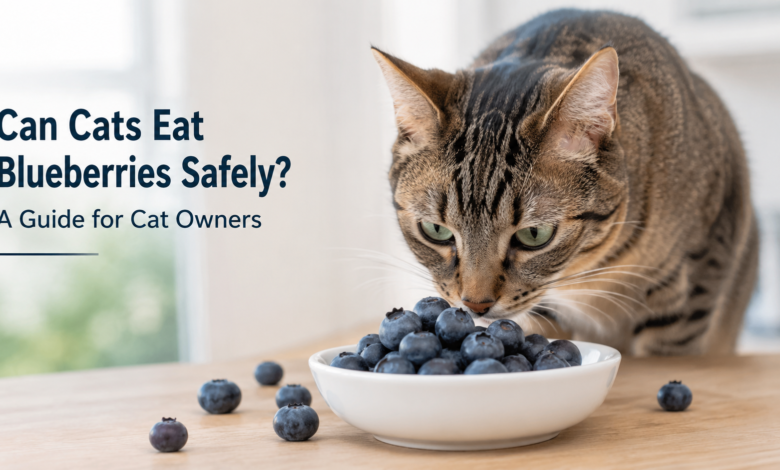
If your cat watches you eat blueberries, you may wonder, can cats eat blueberries safely or should this fruit stay off the menu? The good news is that plain blueberries are generally safe for healthy cats when offered in very small amounts. However, blueberries are not a necessary part of feline nutrition. Cats are obligate carnivores, so their main diet should provide animal-based protein and complete, balanced nutrients.
This guide explains can cats eat blueberries safely, how much is reasonable, how to prepare them, which blueberry products to avoid, and when a veterinarian should be consulted. It also covers kittens, senior cats, cats with health conditions, and common feeding mistakes.
Can Cats Eat Blueberries Safely?
Yes, can cats eat blueberries safely is generally answered with a cautious yes. Fresh or plain frozen blueberries are not considered toxic to cats, and some cats can enjoy a tiny amount as an occasional treat. The key is moderation.
A blueberry is very different from blueberry-flavored human foods. Plain fruit does not contain the added sugar, fats, spices, or other ingredients found in muffins, pies, syrups, jams, and desserts. Those products can be unsuitable for cats and may cause digestive problems.
Although blueberries contain antioxidants and fiber, cats do not need fruit to meet their nutritional requirements. Their bodies are adapted to obtain essential nutrients from animal-based foods. Therefore, blueberries should be treated as an optional snack rather than a dietary supplement.
Are Blueberries Good for Cats?
Blueberries can provide small amounts of useful nutrients, but their benefits should not be overstated. They contain antioxidants and fiber and are relatively low in calories compared with many processed treats. For a healthy cat that enjoys the taste, a small portion can fit into an otherwise balanced diet.
Still, can cats eat blueberries safely does not mean blueberries are especially beneficial for every cat. The amount a cat can eat is so small that the nutritional contribution is limited. A complete cat food should remain the foundation of the diet.
Treats, including fruit, should never replace meals that provide essential protein, amino acids, fats, vitamins, and minerals. If your cat already eats a nutritionally complete diet, there is no need to add blueberries for health reasons.
How Many Blueberries Can Cats Eat Safely?
When asking can cats eat blueberries safely, portion size matters. A conservative starting point is one washed blueberry, cut or mashed into small pieces. If your cat tolerates it without vomiting, diarrhea, or obvious stomach discomfort, an occasional small serving may be appropriate.
There is no universal portion that suits every cat because size, age, activity level, health, and diet all matter. For many healthy adult cats, a few small blueberries at most is plenty, and they do not need them every day.
Introduce any new food gradually. Do not give a large handful simply because your cat seems interested. Too much fruit can add unnecessary carbohydrates and may cause digestive upset.
Cats with diabetes, obesity, inflammatory bowel disease, pancreatitis, food sensitivities, or prescription diets need extra caution. In these situations, ask your veterinarian before adding blueberries or other human foods.
How to Prepare Blueberries for Cats
If you are asking can cats eat blueberries safely, preparation is an important part of the answer. Wash fresh blueberries thoroughly and remove stems, leaves, dirt, and visible debris. Plain fruit is the safest choice.
Whole blueberries may be difficult for some cats to chew, particularly small cats and kittens. Cutting a berry into smaller pieces or gently mashing it can make it easier to eat and reduce the risk of choking. Frozen blueberries should also be broken into small pieces rather than offered whole.
You can offer a tiny piece by itself or place it alongside your cat’s normal food. Never force a cat to eat fruit. If your cat sniffs a blueberry and walks away, that is completely fine.
For safe preparation:
- Choose plain fresh or frozen blueberries.
- Wash them before serving.
- Remove stems and debris.
- Cut or mash the fruit for smaller cats.
- Start with a very small amount.
- Stop if vomiting or diarrhea develops.
Which Blueberry Foods Should Cats Avoid?
Understanding can cats eat blueberries safely also means knowing that many blueberry-containing foods are poor choices. Blueberry muffins, pies, cakes, jams, syrups, sweetened yogurt, and similar desserts can contain excessive sugar and fat.
Some human foods may also contain ingredients that are unsuitable or potentially toxic to cats. Chocolate is one example. Certain processed foods can also contain ingredients that may cause problems for pets.
For that reason, do not assume a product is safe simply because blueberries appear on its label. Blueberry juice is also unnecessary because it can provide concentrated sugar without the advantages of eating a tiny amount of whole fruit.
The safest rule is simple: plain blueberry is one thing; a sweetened blueberry dessert is something entirely different.
Can Kittens Eat Blueberries Safely?
People often ask can cats eat blueberries safely when the cat is a kitten. Kittens have developing digestive systems and much higher nutritional demands for growth. Their calories should primarily come from a complete kitten diet, not fruit or other human foods.
If a veterinarian approves a taste, use an extremely small portion and mash it thoroughly. Watch for loose stool, vomiting, reduced appetite, or other signs of intolerance. There is no nutritional need to introduce blueberries during kittenhood.
Senior cats also deserve extra consideration. Age itself does not make blueberries dangerous, but older cats are more likely to have medical conditions or dietary restrictions. A cat with kidney disease, diabetes, gastrointestinal disease, dental problems, or another chronic condition may need an individualized diet.
For both kittens and senior cats, can cats eat blueberries safely depends on the individual animal, not simply the food. When in doubt, your veterinarian can determine whether the treat fits the cat’s overall nutritional plan.
What If a Cat Eats Too Many Blueberries?
If your cat steals one or two plain blueberries, there is usually no reason to panic. However, eating a large quantity may cause stomach upset. Possible signs include vomiting, diarrhea, gas, reduced appetite, or abdominal discomfort.
If this happens, stop offering blueberries and monitor your cat. Make sure fresh water is available. If vomiting or diarrhea is severe, persistent, or accompanied by weakness, contact a veterinarian promptly.
The situation is different if the cat ate a blueberry product containing a potentially harmful ingredient. In that case, seek veterinary advice rather than waiting for symptoms to appear.
Choking is another concern. If a cat is struggling to breathe, coughing severely, pawing at the mouth, or suddenly showing respiratory distress after eating, seek emergency veterinary care.
Conclusion: Can Cats Eat Blueberries Safely?
So, can cats eat blueberries safely? For most healthy cats, yes. Plain blueberries can be offered occasionally in very small portions. They are not considered toxic, but they are also not an essential food. A complete and balanced cat diet should always come first.
Wash the fruit, remove debris, cut or mash it when appropriate, and introduce only a little at a time. Avoid muffins, pies, jams, syrups, juices, and other sweetened blueberry products. Cats with diabetes, digestive disease, prescription diets, or other health concerns should receive treats only with appropriate veterinary guidance.
Ultimately, can cats eat blueberries safely is less about making fruit a regular part of the menu and more about offering an occasional, carefully prepared treat. If your cat does not like blueberries, there is no nutritional reason to make them eat them.
More Pet Guides: For more pet-related guides, tips, and helpful information, visit PetOrbit.blog. Thank you for reading this article!
(FAQs)
Can cats eat blueberries safely every day?
Can cats eat blueberries safely every day? Although a tiny amount may be tolerated by some healthy cats, daily fruit is unnecessary. Blueberries should remain an occasional treat, while most calories come from complete, balanced cat food.
Are blueberries toxic to cats?
Plain blueberries are generally not toxic to cats. The main concerns are excessive portions, digestive upset, choking on whole berries, and blueberry products containing added sugar or unsafe ingredients. If your cat eats a processed product containing a potentially harmful ingredient, contact a veterinarian.
Can cats eat frozen blueberries safely?
Yes, plain frozen blueberries can be offered in moderation. However, they should not be given whole to cats that may struggle to chew them. Letting a berry soften slightly and then cutting or mashing it can make it easier to eat.
Can kittens eat blueberries?
Kittens can potentially have a tiny amount of plain blueberry, but fruit is not needed for healthy growth. Their primary nutrition should come from a complete kitten food. Because kittens have sensitive digestive systems, veterinary guidance is advisable before introducing human foods.
Can cats eat blueberry muffins or pie?
No. Blueberry muffins, pies, cakes, jams, and similar foods are not appropriate cat treats. They often contain excessive sugar and fat and may include other ingredients that can upset a cat’s digestive system or be harmful.
What should I do if my cat eats too many blueberries?
Watch for vomiting, diarrhea, abdominal discomfort, or reduced appetite. Stop giving more fruit and monitor your cat. If symptoms are significant or persistent, or if your cat has an existing medical condition, contact your veterinarian for advice.
Can diabetic cats eat blueberries?
Do not add blueberries to a diabetic cat’s diet without veterinary guidance. Fruit contains naturally occurring sugars and carbohydrates, and diabetic cats often require careful dietary management. Your veterinarian can recommend treats that fit the cat’s treatment plan.
What fruits are safe for cats besides blueberries?
Some cats can tolerate small amounts of fruits such as strawberries, bananas, watermelon, and cantaloupe when properly prepared. However, fruit is optional, not necessary. Avoid potentially toxic fruits such as grapes and raisins, and check with your veterinarian if your cat has health or dietary restrictions.

I’m a Pet Niche Expert and Pet Blogger with 12 years of experience in researching and sharing practical, reliable information about pets. Through PetOrbit.blog, I help pet parents and animal lovers better understand their pets and make informed decisions about their care and well-being.
My expertise covers a wide range of pet topics, including pet health, pet food and nutrition, dog and cat breeds, grooming, behavior, training, safety, pet care, travel with pets, and overall pet wellness. I also explore information about different types of pets, their unique needs, characteristics, lifestyles, and responsible ownership.
With more than 12 years of experience in the pet niche, my focus is on creating clear, useful, and easy-to-understand content based on practical knowledge, careful research, and real-world pet care considerations. I believe pet information should be informative without being unnecessarily complicated, so my goal is to make every article helpful for both new and experienced pet owners.
At PetOrbit, my mission is to provide valuable pet guides, breed information, health and nutrition insights, food and care tips, travel advice, and trustworthy resources that help pets live healthier, happier, and more comfortable lives.
PetOrbit.blog — Practical Pet Knowledge for Better Pet Care.