Why Does My Dog Lick My Feet for Hours? The Surprising Reasons
Why Does My Dog Lick My Feet for Hours

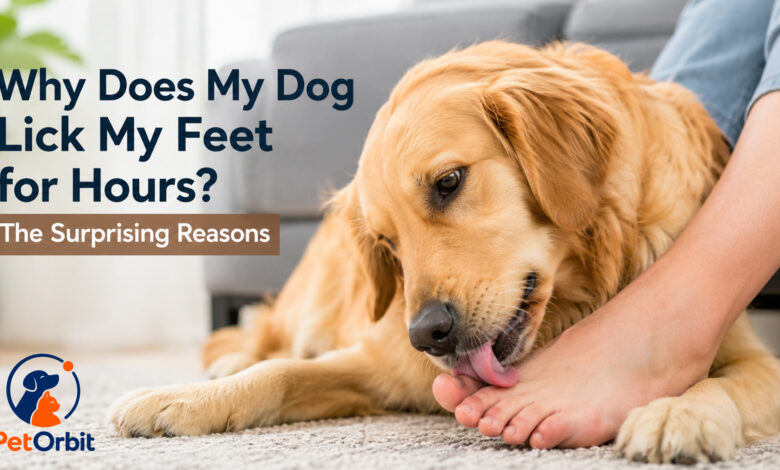
If you have ever wondered why does my dog lick my feet for hours, you are not alone. Some dogs seem fascinated by their owner’s toes, ankles, or soles and may keep licking long after you expect them to stop. While foot licking is often harmless, it can have several different explanations, including taste, scent, attention, affection, boredom, anxiety, or learned behavior.
The important point is that there is no single answer. Understanding what is happening around the licking can help you determine whether your dog is simply enjoying a strange canine habit or showing a behavior that deserves closer attention.
Why Does My Dog Lick My Feet for Hours?
The simplest explanation for why does my dog lick my feet for hours is that your feet are unusually interesting to your dog. Human feet produce sweat and carry distinctive scents throughout the day. Dogs experience the world heavily through smell and taste, so the combination can be much more appealing to them than it is to us.
Your feet can also tell your dog where you have been. Sweat, skin oils, outdoor smells, traces of food, and other environmental scents can collect on your skin. Licking gives your dog another way to investigate this information.
In addition, licking can become rewarding. If your dog licks your feet and you laugh, talk, pet them, move your feet, or otherwise react, your dog may learn that licking reliably produces interaction. Veterinary behavior sources recognize attention-seeking and exploration as common reasons dogs lick people.
Your Feet May Taste Good to Your Dog
One major clue to why does my dog lick my feet for hours is the salty taste of sweat. The soles of human feet contain many eccrine sweat glands. As sweat dries, it leaves behind salt and other compounds that can attract dogs.
That does not mean your dog is lacking salt or has a nutritional deficiency. In most cases, the behavior is simply exploratory or rewarding. Dogs have different sensory preferences from humans, and something we consider unpleasant may be fascinating to them.
This is especially noticeable after exercise, a hot day, or wearing shoes and socks for several hours. If the licking becomes more intense after you have been active, sweat and odor may be part of the explanation.
However, be careful about what is on your skin. Lotions, medicated creams, essential oils, topical pain products, and other substances may be unsafe for dogs to ingest. If you use a product on your feet, prevent your dog from licking it unless your veterinarian confirms it is safe.
Affection, Bonding, and Attention Can Reinforce Foot Licking
Another answer to why does my dog lick my feet for hours is social interaction. Dogs frequently use licking as part of communication and bonding. Although licking does not automatically mean “I love you,” it can occur during friendly, familiar interactions.
Your reaction matters, too. Imagine your dog starts licking your toes while you are sitting on the sofa. You pull your foot away, laugh, tell your dog to stop, and then pet them. From your perspective, you discouraged the behavior. From your dog’s perspective, licking produced a fascinating chain of events.
Dogs learn from consequences. If foot licking consistently leads to attention, the behavior can become stronger. Even negative attention may sometimes function as attention.
If you want less licking, avoid turning the behavior into a game. Calmly move your feet away, ask for an alternative behavior such as “sit,” and reward your dog when they comply. This gives your dog a clearer way to earn attention.
Could Anxiety or Boredom Explain It?
If you are still asking why does my dog lick my feet for hours, consider what is happening immediately before the behavior starts. Some dogs lick as a self-soothing activity when they are stressed, uncertain, frustrated, or overstimulated.
A dog that becomes especially clingy during thunderstorms, visitors, travel, loud noises, or changes in routine may be using repetitive behaviors to cope. Licking can also become more frequent when a dog is bored and lacks sufficient physical exercise or mental stimulation.
Look at the whole body rather than the licking alone. Signs such as pacing, trembling, hiding, panting when it is not hot, repeated yawning, restlessness, or difficulty settling may provide useful context.
That does not mean every foot-licking dog has anxiety. A relaxed dog lying comfortably beside you and occasionally licking your feet is very different from a distressed dog that cannot disengage from the behavior.
When Does Foot Licking Become a Medical Concern?
A key part of understanding why does my dog lick my feet for hours is knowing when the behavior is excessive. Persistent licking does not automatically mean disease, but a sudden or dramatic change deserves attention.
Veterinary sources note that excessive or repetitive licking can sometimes be associated with anxiety, compulsive behavior, pain, allergies, or other medical problems. Repetitive behaviors can also become problematic when they interfere with normal activities or become difficult for the dog to stop.
Contact your veterinarian if the foot licking is accompanied by:
- A sudden increase in licking
- Difficulty interrupting the behavior
- Restlessness or obvious anxiety
- Changes in appetite or drinking
- Vomiting or diarrhea
- Excessive scratching or other itching
- Unusual vocalization or signs of pain
- Other repetitive or compulsive behaviors
- Licking that interferes with sleep, eating, play, or normal interaction
Your veterinarian can help distinguish a behavioral habit from an underlying medical problem. Avoid assuming that a persistent behavior is “just anxiety” before physical causes have been considered.
How Can You Stop Your Dog From Licking Your Feet?
If your dog’s foot licking is harmless but annoying, the goal should be to change the habit without creating fear or confusion. Punishment is rarely the best solution.
First, identify when the behavior happens. Does your dog lick after exercise, when you sit down, before meals, when you are watching television, or whenever they want attention? The pattern can reveal what is reinforcing it.
Next, make an alternative behavior more rewarding. When your dog approaches your feet, calmly ask for a sit or send them to a comfortable bed. Reward the alternative behavior with praise, a toy, a chew, or another appropriate reward.
Mental enrichment can also help. Puzzle feeders, scent games, training exercises, sniff walks, and interactive toys give dogs productive ways to use their natural abilities.
If attention is the main reward, be consistent. Do not sometimes laugh and play during foot licking and then expect your dog to understand why licking is forbidden later. Consistency makes training much easier.
If you suspect anxiety or compulsive behavior, involve your veterinarian rather than trying to suppress the behavior without understanding its cause. Veterinary behavior professionals can help when repetitive behaviors become persistent or disruptive.
What Why Does My Dog Lick My Feet for Hours Tells You About Your Dog
The question why does my dog lick my feet for hours is really a question about context. Foot licking may be caused by several overlapping motivations rather than one specific reason.
Your dog’s body language, daily routine, environment, and response to interruption all matter. A dog that happily licks your feet for a few minutes while relaxing may simply enjoy the taste, scent, or social contact. A dog that compulsively returns to your feet for long periods despite attempts to redirect them may need a closer evaluation.
It is also worth remembering that dogs are individuals. One dog may lick because your feet taste salty, while another may do it because the behavior has reliably earned attention. A third dog may find repetitive licking calming when bored or nervous.
Instead of focusing only on the number of minutes, look for changes, triggers, accompanying symptoms, and whether your dog can comfortably switch to another activity.
Conclusion: Why Does My Dog Lick My Feet for Hours?
So, why does my dog lick my feet for hours? The most common explanations are surprisingly ordinary: your feet smell interesting, taste salty, provide social interaction, or have become a learned source of attention. For some dogs, licking may also help them relax or occupy themselves.
The behavior is usually not something to panic about when your dog is otherwise healthy, relaxed, and easy to redirect. However, persistent, compulsive, sudden, or distress-related licking should not be ignored. Why does my dog lick my feet for hours becomes a more important question when the behavior changes suddenly or appears alongside physical or emotional warning signs.
Pay attention to the pattern, avoid accidentally rewarding unwanted licking, and speak with your veterinarian when the behavior seems excessive or unusual. Your dog’s behavior is often communicating something—and the surrounding clues can tell you what.
More Pet Guides: For more pet-related guides, tips, and helpful information, visit PetOrbit.blog. Thank you for reading this article!
(FAQs)
Is it normal for a dog to lick your feet for a long time?
Occasional foot licking can be completely normal. Dogs are naturally attracted to interesting smells and tastes, and human feet can contain sweat, salt, and distinctive odors. However, extremely persistent licking is different from occasional social licking. If your dog cannot easily stop or the behavior interferes with normal activities, discuss it with your veterinarian.
Why does my dog lick my feet for hours instead of licking other body parts?
Feet can be especially attractive because they collect sweat, salt, skin oils, and environmental scents. They also receive less frequent washing than hands or faces in some situations. Your dog may additionally have learned that licking your feet gets a reaction. The specific reason depends on your dog’s habits and the circumstances surrounding the behavior.
Does my dog lick my feet because it loves me?
It can be part of bonding, but licking should not automatically be interpreted as a sign of love. Dogs lick people for many reasons, including communication, exploration, attention, social interaction, and self-soothing. Body language and context provide better clues about what your dog is experiencing.
Can anxiety cause a dog to lick your feet excessively?
Yes, anxiety can contribute to repetitive licking in some dogs. Look for additional signs such as pacing, restlessness, panting, trembling, hiding, or difficulty settling. However, anxiety is only one possible explanation. Medical causes should also be considered when licking is persistent or has suddenly increased.
Should I let my dog lick my feet?
If your dog is healthy and your skin is free from potentially harmful products, occasional licking is generally a behavioral choice rather than an emergency. Still, you may want to discourage it if you dislike the behavior or if your dog becomes obsessive. Never allow licking of feet covered with potentially toxic medications or chemicals.
How do I stop my dog from licking my feet?
Calmly interrupt the behavior and redirect your dog to something appropriate, such as sitting, going to their bed, playing with a toy, or working on a puzzle. Reward the alternative behavior. Avoid turning the interruption into a dramatic interaction, because attention can unintentionally reinforce licking.
When should I take my dog to the vet for excessive licking?
Arrange a veterinary evaluation if the behavior is sudden, compulsive, difficult to interrupt, or accompanied by signs such as pain, itching, digestive problems, anxiety, appetite changes, or other unusual behavior. Excessive repetitive behaviors can sometimes have medical or behavioral causes that require professional assessment.
Can boredom make my dog lick my feet more?
Yes. A dog that lacks sufficient exercise, exploration, training, or mental enrichment may develop repetitive habits to occupy itself. Adding sniff walks, puzzle toys, training sessions, play, and other enrichment can provide healthier outlets. If the licking remains intense despite enrichment, ask your veterinarian for guidance.

I’m a Pet Niche Expert and Pet Blogger with 12 years of experience in researching and sharing practical, reliable information about pets. Through PetOrbit.blog, I help pet parents and animal lovers better understand their pets and make informed decisions about their care and well-being.
My expertise covers a wide range of pet topics, including pet health, pet food and nutrition, dog and cat breeds, grooming, behavior, training, safety, pet care, travel with pets, and overall pet wellness. I also explore information about different types of pets, their unique needs, characteristics, lifestyles, and responsible ownership.
With more than 12 years of experience in the pet niche, my focus is on creating clear, useful, and easy-to-understand content based on practical knowledge, careful research, and real-world pet care considerations. I believe pet information should be informative without being unnecessarily complicated, so my goal is to make every article helpful for both new and experienced pet owners.
At PetOrbit, my mission is to provide valuable pet guides, breed information, health and nutrition insights, food and care tips, travel advice, and trustworthy resources that help pets live healthier, happier, and more comfortable lives.
PetOrbit.blog — Practical Pet Knowledge for Better Pet Care.