Can Dogs Eat Peas and Carrots? Safe and Healthy Feeding Guide
Can Dogs Eat Peas and Carrots

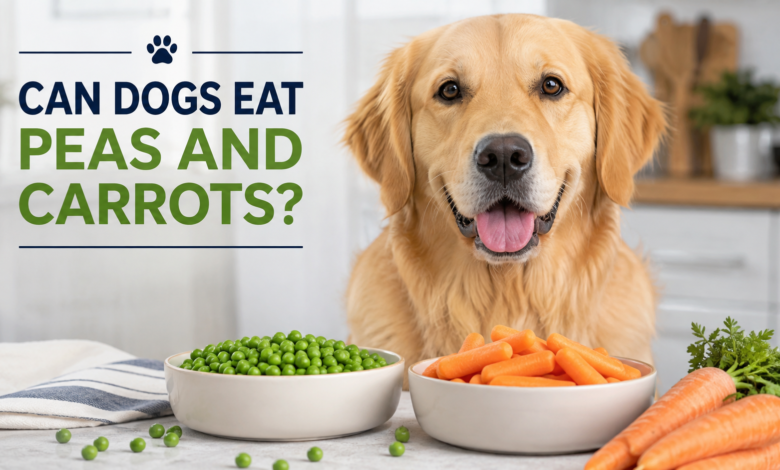
If you are wondering, can dogs eat peas and carrots, the short answer is yes. Plain peas and carrots are generally safe for most healthy dogs when offered in moderation. They can provide fiber, vitamins, minerals, and variety as an occasional treat rather than replacing a complete and balanced dog food.
However, preparation matters. Seasoned vegetables, salty canned foods, large pieces, and heavily processed dishes can create unnecessary risks. This guide explains can dogs eat peas and carrots, how to prepare them safely, how much to offer, potential benefits and concerns, and what dog owners should watch for.
Can Dogs Eat Peas and Carrots Safely?
Yes, can dogs eat peas and carrots is generally answered with a reassuring yes. Both vegetables are commonly considered dog-friendly when served plain and in appropriate portions. Carrots can be given raw or cooked, while green peas can be served fresh, frozen, or thawed.
The important point is that vegetables should remain a supplement or treat. Dogs need a nutritionally complete diet designed to meet their protein, fat, vitamin, and mineral requirements. Vegetables alone cannot provide everything a dog needs.
Carrots are particularly useful as a low-calorie snack. They contain fiber and beta-carotene, which the body can convert into vitamin A. Peas also contain fiber, protein, vitamins, minerals, and antioxidants.
Therefore, can dogs eat peas and carrots does not mean they should eat unlimited quantities. Moderation is still important.
Are Peas Good for Dogs?
Peas can be a nutritious occasional treat for dogs. Garden or English peas, snow peas, and sugar snap peas can generally be offered in small amounts. Fresh, frozen, or thawed peas are preferable to canned peas because canned versions may contain substantial added sodium.
The fiber in peas can support normal digestion, while their nutrients contribute to an overall varied diet. However, more is not necessarily better. Too many peas may contribute to digestive upset, particularly in dogs that are not accustomed to vegetables.
There is also an important distinction between giving a few peas as a treat and feeding a diet heavily based on peas or other legumes. Researchers have investigated possible associations between certain diets containing high proportions of pulses and canine dilated cardiomyopathy (DCM). The evidence is complex, and peas themselves should not automatically be considered dangerous. If peas are a major ingredient in your dog’s food, discuss the complete diet with your veterinarian rather than focusing on one ingredient in isolation.
Are Carrots Good for Dogs?
Carrots are one of the more convenient vegetables to offer dogs. They are relatively low in calories and provide fiber, beta-carotene, vitamin A, and other nutrients. Their crunchy texture can also make them an appealing alternative to higher-calorie treats.
So, can dogs eat peas and carrots as a combination? Yes. A small amount of plain peas mixed with appropriately prepared carrots can make a simple vegetable treat.
Raw carrots are generally safe, but whole carrots or large chunks can become choking hazards, particularly for small dogs and puppies. Washing the carrot and cutting it into appropriately sized pieces helps reduce this risk. Cooked carrots can also be served, provided they are plain.
Avoid turning carrots into human-style dishes containing butter, sugar, sauces, or seasonings. A simple vegetable is much safer than a prepared side dish.
How to Prepare Peas and Carrots for Dogs
If you are asking can dogs eat peas and carrots, preparation is just as important as the vegetables themselves. The safest approach is simple: use fresh or suitable frozen vegetables, wash them thoroughly, and serve them without added ingredients.
For carrots, remove dirt, rinse thoroughly, and cut them into small pieces appropriate for your dog’s size. Raw pieces can work well for many dogs. Lightly cooked carrots are another option and may be easier for some dogs to chew and digest.
For peas, fresh or frozen peas can be offered after they have been properly prepared. If using pea pods, be cautious because pods can present a choking risk. Garden peas should be shelled.
Keep both vegetables plain. Do not add:
- Salt or salty sauces
- Butter or large amounts of oil
- Garlic or onion
- Spices or seasoning blends
- Sugar
- Processed sauces
Onions, garlic, leeks, and chives are particularly important to avoid because members of the Allium family can be toxic to dogs.
How Much Peas and Carrots Can Dogs Eat?
Knowing can dogs eat peas and carrots is only part of responsible feeding. Portion size matters because treats and extras should not crowd out the balanced nutrition provided by your dog’s regular food.
There is no single vegetable portion that is ideal for every dog. A Chihuahua, Labrador Retriever, and Great Dane have very different calorie requirements. Age, body condition, activity level, existing health problems, and total daily calorie intake also matter.
When introducing vegetables, start with a small amount. Watch your dog for signs of digestive intolerance, such as loose stool, vomiting, excessive gas, or abdominal discomfort. If everything remains normal, you can occasionally offer a modest portion as part of the dog’s overall treat allowance.
A useful approach is to keep treats and extras limited rather than allowing vegetables to become a substantial part of every meal. If your dog has diabetes, obesity, kidney disease, gastrointestinal disease, food allergies, or another medical condition, ask your veterinarian before making dietary changes.
Potential Risks and Common Feeding Mistakes
Although can dogs eat peas and carrots is usually yes, there are several mistakes worth avoiding. The biggest problem is often not the vegetable itself but the way it is prepared or served.
Large chunks of raw carrot can create a choking hazard. Frozen carrot pieces can also be problematic because hard pieces may be difficult to chew and can pose choking or dental risks.
Another mistake is sharing leftovers. Peas and carrots from a human meal may contain salt, butter, sauces, onion, garlic, or other ingredients that are unsuitable for dogs.
Overfeeding is another concern. Even nutritious foods can contribute excess calories when given frequently or in large amounts. Dogs do not need vegetables to survive when they are already eating a complete and balanced diet, so think of peas and carrots as optional additions rather than nutritional necessities.
Finally, introduce one new food at a time when possible. This makes it easier to identify what caused a reaction if your dog develops digestive symptoms.
Can Dogs Eat Peas and Carrots Every Day?
For many healthy dogs, small amounts may be tolerated regularly, but can dogs eat peas and carrots every day does not mean they need them every day. Treats should complement, not replace, a complete diet.
If your dog enjoys vegetables and maintains a healthy weight, occasional small portions can be a useful low-calorie treat. However, there is little reason to make vegetables a major component of the diet unless a veterinarian or veterinary nutritionist has specifically recommended a dietary plan.
It is also worth remembering that individual dogs differ. One dog may happily eat peas and carrots with no problem, while another may develop gas or loose stool after only a small serving.
If your dog experiences repeated digestive problems after eating vegetables, stop offering them and speak with your veterinarian.
Conclusion
So, can dogs eat peas and carrots? Yes. Plain peas and carrots are generally safe for healthy dogs when served in small, appropriate portions. Carrots provide fiber and beta-carotene, while peas contribute fiber, protein, vitamins, minerals, and antioxidants.
The safest approach is to keep vegetables plain, cut carrots into suitable bite-sized pieces, avoid salty canned peas and harmful seasonings, and introduce new foods gradually. Most importantly, peas and carrots should remain occasional extras rather than replacing complete and balanced dog food.
If your dog has a medical condition or follows a special therapeutic diet, consult your veterinarian before making regular dietary changes.
More Pet Guides: For more pet-related guides, tips, and helpful information, visit PetOrbit.blog. Thank you for reading this article!
(FAQs)
Can dogs eat peas and carrots mixed together?
Yes. Can dogs eat peas and carrots together is generally answered yes when both are plain and served in moderation. A small mixture can be offered as an occasional treat or food topper. Avoid mixtures containing salt, butter, onion, garlic, sauces, or other seasonings.
Can dogs eat raw peas and carrots?
Dogs can generally eat raw carrots and suitable fresh peas. Carrots should be washed and cut into appropriately sized pieces to reduce choking risk. Some dogs may find cooked vegetables easier to chew, so preparation can depend on the individual dog.
Can puppies eat peas and carrots?
Puppies can generally have small amounts of properly prepared dog-safe vegetables, but their primary nutrition should come from a complete puppy diet formulated for growth. Because puppies can choke more easily, carrots should be cut into very small, manageable pieces.
Are canned peas and carrots safe for dogs?
Plain canned vegetables may contain added sodium, making them less desirable than fresh or appropriately prepared frozen vegetables. If using canned vegetables, carefully check the ingredient and nutrition labels and avoid products containing salt, sauces, onion, garlic, or seasonings.
Can dogs eat peas and carrots every day?
Some healthy dogs can tolerate small portions regularly, but they do not need peas and carrots every day. Their main food should provide complete and balanced nutrition. If vegetables are being added frequently, discuss the overall diet and portion sizes with your veterinarian.
Can peas and carrots upset a dog’s stomach?
Yes. Even safe foods can cause digestive upset when introduced suddenly or fed in excessive amounts. Watch for diarrhea, vomiting, gas, or other unusual symptoms after introducing vegetables. If symptoms are severe, persistent, or concerning, contact your veterinarian.
Are frozen peas and carrots safe for dogs?
Frozen peas can generally be offered after appropriate preparation, but very hard frozen vegetable pieces may present choking concerns. Carrots should be cut into suitable pieces, and particularly hard frozen pieces are best avoided.
What vegetables should dogs never eat?
Dogs should not be intentionally fed toxic vegetables such as onions, garlic, leeks, or chives. Wild mushrooms can also be dangerous because some species are poisonous. When you are uncertain about a food, check with a veterinarian before giving it to your dog.

I’m a Pet Niche Expert and Pet Blogger with 12 years of experience in researching and sharing practical, reliable information about pets. Through PetOrbit.blog, I help pet parents and animal lovers better understand their pets and make informed decisions about their care and well-being.
My expertise covers a wide range of pet topics, including pet health, pet food and nutrition, dog and cat breeds, grooming, behavior, training, safety, pet care, travel with pets, and overall pet wellness. I also explore information about different types of pets, their unique needs, characteristics, lifestyles, and responsible ownership.
With more than 12 years of experience in the pet niche, my focus is on creating clear, useful, and easy-to-understand content based on practical knowledge, careful research, and real-world pet care considerations. I believe pet information should be informative without being unnecessarily complicated, so my goal is to make every article helpful for both new and experienced pet owners.
At PetOrbit, my mission is to provide valuable pet guides, breed information, health and nutrition insights, food and care tips, travel advice, and trustworthy resources that help pets live healthier, happier, and more comfortable lives.
PetOrbit.blog — Practical Pet Knowledge for Better Pet Care.