Can Dogs Eat Butternut Squash? A Healthy and Safe Guide for Dog Owners
Can Dogs Eat Butternut Squash

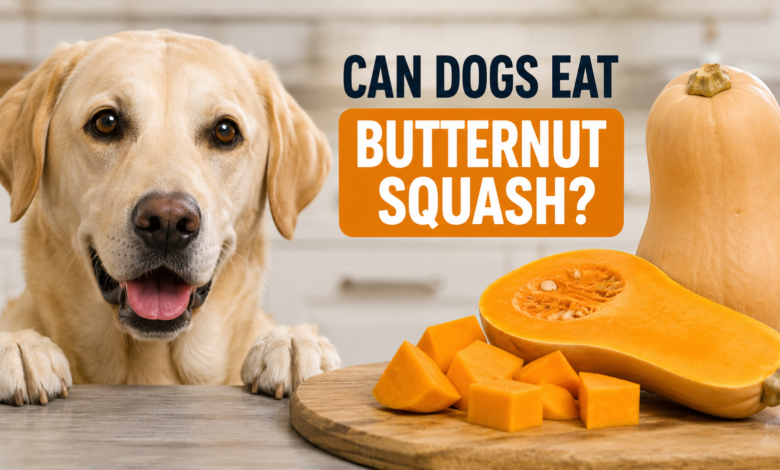
If you are preparing butternut squash and your dog is watching every bite, you may wonder, can dogs eat butternut squash safely? The short answer is yes. Plain, properly cooked butternut squash can be a nutritious occasional treat for most healthy dogs. It provides fiber, vitamins, minerals, and antioxidants without adding much fat.
However, not every form of squash is suitable. Raw pieces, tough skin, seeds, and heavily seasoned squash can create unnecessary risks. In this guide, you will learn how to prepare butternut squash for dogs, how much to offer, whether it can help digestion, and which common mistakes to avoid.
Can Dogs Eat Butternut Squash Safely?
Yes, can dogs eat butternut squash is a question with a reassuring answer: healthy dogs can generally eat the cooked flesh of butternut squash when it is served plain and in moderation. Butternut squash is not considered toxic to dogs, and its soft cooked flesh can make a useful addition to an otherwise complete and balanced diet.
The important part is preparation. Wash the squash, remove the tough outer skin and seeds, cook the flesh until soft, and let it cool before giving it to your dog. Steaming, boiling, baking, or roasting without seasonings are simple options.
Avoid turning a dog-safe vegetable into an unsafe table scrap. Butter, rich sauces, excessive salt, onion, garlic, and strongly seasoned recipes should not be added to your dog’s portion.
It is also worth remembering that vegetables are treats or dietary additions, not replacements for nutritionally complete dog food. If your dog has diabetes, kidney disease, digestive disease, food allergies, or is following a prescription diet, ask your veterinarian before introducing new foods.
Is Butternut Squash Good for Dogs?
Yes. Butternut squash can provide several useful nutrients, particularly fiber, vitamin A, vitamin C, potassium, and antioxidant compounds such as beta-carotene.
Fiber is one of its biggest advantages. In appropriate amounts, dietary fiber can support normal digestion and help maintain healthy stool consistency. It can also make a dog feel fuller, which may be useful when carefully managing calorie intake.
Vitamin A supports normal vision, skin, immune function, and other body processes. Vitamin C and antioxidant compounds contribute to normal immune and cellular function, while potassium is an important mineral involved in normal muscle and nerve activity.
However, more is not necessarily better. A healthy commercial dog food should already provide the nutrients your dog needs. Adding large amounts of butternut squash can displace balanced food and may cause digestive problems.
So, can dogs eat butternut squash as a regular part of their meals? They can have it occasionally or in small amounts, but it should remain a modest addition rather than becoming the main ingredient in their diet.
Can Dogs Eat Butternut Squash Raw, Cooked, or Frozen?
Cooked butternut squash is generally the easiest form for dogs to digest. Raw squash is hard, dense, and fibrous, which can make it difficult for a dog to chew and digest properly. Large raw chunks can also present a choking concern.
For that reason, cooking is the better choice. You can steam or boil the flesh until tender, or bake it without oil, butter, salt, or spices. Once cooled, mash it or cut it into small, manageable pieces.
Frozen cooked squash can also be offered if it has been prepared safely, although very hard frozen pieces may be uncomfortable or difficult for some dogs to chew. Allowing the food to soften first is often a safer approach.
If your dog has never eaten squash before, start with a small amount. A sudden increase in fiber can cause gas, loose stools, constipation, or general stomach discomfort.
This is particularly important for puppies and dogs with sensitive stomachs. Can dogs eat butternut squash at any age? Puppies can usually have a small amount of properly cooked squash, but their primary nutrition should come from an appropriate complete puppy diet.
Can Dogs Eat Butternut Squash Skin and Seeds?
The flesh is the safest part to serve. Butternut squash skin is tough and can be difficult for dogs to chew and digest, particularly when it has not softened sufficiently during cooking. Removing the skin makes the food easier to eat.
The seeds are another part best removed before serving. An accidentally swallowed seed is unlikely to cause poisoning, but deliberately feeding large quantities of whole seeds is unnecessary and could create a choking or digestive concern.
A simple preparation routine makes feeding much safer:
- Wash the squash thoroughly.
- Peel away the tough skin.
- Scoop out all seeds and stringy material.
- Cut the flesh into small pieces.
- Cook until soft.
- Serve plain after it has cooled.
Never assume that a human squash recipe is automatically suitable for a dog. Soups, pies, casseroles, and roasted side dishes may contain ingredients that dogs should avoid.
How Much Butternut Squash Can Dogs Eat?
The right amount depends on your dog’s size, overall diet, calorie requirements, health, and tolerance of new foods. There is no single portion that is appropriate for every dog.
As a practical starting point, give only a small spoonful or a few tiny pieces the first time. Watch your dog for signs of digestive upset before offering more on another occasion.
Small dogs generally need much smaller portions than large breeds. A few small cubes may be enough for a toy or small dog, while a larger dog may tolerate a larger serving.
A useful general principle is the 10% treat rule: treats and extras should account for no more than about 10% of a dog’s daily calorie intake, while the remaining calories should come primarily from complete and balanced food.
If you are wondering, can dogs eat butternut squash every day, there is no nutritional reason to make it a daily necessity. Rotating healthy treats and keeping portions controlled can provide variety without disrupting the main diet.
If your dog is overweight, do not assume that unlimited squash is a good weight-loss strategy. Ask your veterinarian to create an appropriate calorie plan instead.
Can Butternut Squash Help With Diarrhea or Constipation?
The fiber in squash may support normal bowel function, which explains why pumpkin and other fiber-rich foods are sometimes used as dietary additions for dogs with mild digestive issues.
A small amount of plain, cooked squash may help some dogs produce more consistent stools. However, it is not a universal treatment for diarrhea or constipation.
Too much fiber can actually make digestive problems worse. A large serving of squash may result in gas, loose stools, bloating, or constipation, especially when introduced suddenly.
Persistent diarrhea, repeated vomiting, blood in the stool, severe abdominal discomfort, weakness, dehydration, or loss of appetite should not be treated at home with squash. These signs can indicate an underlying problem that requires veterinary attention.
Therefore, can dogs eat butternut squash when they have an upset stomach? A small amount may be tolerated by some dogs, but it should never replace proper veterinary advice when symptoms are persistent, severe, or unusual for your pet.
Safe Ways to Serve Butternut Squash to Your Dog
The easiest option is plain cooked squash. After removing the skin and seeds, cook the flesh until tender and allow it to cool. You can then offer a small amount by itself, mix it with your dog’s regular food, or use it as an occasional ingredient in homemade dog treats.
For enrichment, mashed squash can also be placed in a suitable food toy and refrigerated. Just remember that anything added to your dog’s normal diet counts toward their overall calorie intake.
Avoid squash prepared with ingredients that may be harmful or unnecessarily rich for dogs. Onion and garlic should never be included, and salty, sugary, fatty, or heavily spiced recipes are poor choices.
If you are preparing squash for the whole family, set aside your dog’s plain portion before adding seasonings.
The safest answer to can dogs eat butternut squash is therefore not simply “yes.” It is “yes, when the edible flesh is prepared plainly, cooked properly, portioned appropriately, and introduced gradually.”
Conclusion
So, can dogs eat butternut squash? Yes. Plain, cooked butternut squash can be a tasty and nutrient-rich treat for most healthy dogs. Its fiber, vitamins, minerals, and antioxidants make it a useful occasional addition to a balanced diet.
For the safest approach, remove the skin and seeds, cook the flesh until soft, avoid seasonings, cut or mash it into an appropriate texture, and start with a small serving. Keep treats and extras within a sensible portion of your dog’s daily calories.
Most importantly, do not use squash to replace balanced dog food or veterinary care. If your dog has an existing health condition, follows a prescription diet, or develops vomiting, diarrhea, or another concerning symptom after eating squash, speak with your veterinarian.
More Pet Guides: For more pet-related guides, tips, and helpful information, visit PetOrbit.blog. Thank you for reading this article!
(FAQs)
Can dogs eat butternut squash every day?
Dogs can eat small amounts of plain, cooked butternut squash regularly if they tolerate it well. However, it does not need to be part of their daily diet. Too much can add unnecessary calories and fiber and may cause digestive upset. Keep it as a modest treat or food topper rather than a major part of the meal.
Can dogs eat butternut squash raw?
Raw butternut squash is not the best choice for dogs because it is hard and fibrous. Large pieces may be difficult to chew and could present a choking concern. Cooking softens the flesh and generally makes it easier for dogs to eat and digest.
Can dogs eat butternut squash seeds?
It is best to remove butternut squash seeds before giving the vegetable to your dog. The seeds are not the part you need to include in a canine diet, and whole seeds can create avoidable choking or digestive concerns, particularly when eaten in quantity.
Can dogs eat butternut squash skin?
The tough skin is best removed. Although cooking can soften some vegetable skins, butternut squash skin can remain difficult for dogs to chew and digest. Peeling the squash before cooking provides a simpler and safer serving option.
Can puppies eat butternut squash?
Puppies can generally have a small amount of plain, cooked butternut squash once they are eating solid food, but it should remain an occasional treat. Growing puppies need complete puppy nutrition, so squash should never replace their normal balanced puppy food.
Can dogs eat butternut squash with butter or seasoning?
Dogs should receive plain butternut squash rather than squash prepared with butter, rich sauces, salt, onion, garlic, or strong seasonings. Some human recipes may contain ingredients that are unsafe for dogs or provide excessive fat and sodium.
Does butternut squash help dogs with diarrhea?
Its fiber may help support normal stool consistency in some dogs, but it is not a guaranteed treatment for diarrhea. Too much squash can cause digestive upset instead. If diarrhea continues, becomes severe, or occurs with vomiting, blood, weakness, dehydration, or appetite loss, contact a veterinarian.
Can dogs eat butternut squash as a treat?
Yes. Small portions of plain, cooked butternut squash can work as an occasional treat for many healthy dogs. Introduce it gradually, monitor your dog for digestive reactions, and remember that all treats should remain a small part of the overall diet.

I’m a Pet Niche Expert and Pet Blogger with 12 years of experience in researching and sharing practical, reliable information about pets. Through PetOrbit.blog, I help pet parents and animal lovers better understand their pets and make informed decisions about their care and well-being.
My expertise covers a wide range of pet topics, including pet health, pet food and nutrition, dog and cat breeds, grooming, behavior, training, safety, pet care, travel with pets, and overall pet wellness. I also explore information about different types of pets, their unique needs, characteristics, lifestyles, and responsible ownership.
With more than 12 years of experience in the pet niche, my focus is on creating clear, useful, and easy-to-understand content based on practical knowledge, careful research, and real-world pet care considerations. I believe pet information should be informative without being unnecessarily complicated, so my goal is to make every article helpful for both new and experienced pet owners.
At PetOrbit, my mission is to provide valuable pet guides, breed information, health and nutrition insights, food and care tips, travel advice, and trustworthy resources that help pets live healthier, happier, and more comfortable lives.
PetOrbit.blog — Practical Pet Knowledge for Better Pet Care.