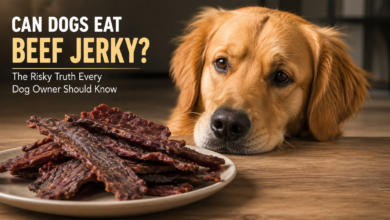
Choosing the best meat for dogs to eat can be confusing when supermarket shelves offer everything from chicken and beef to processed meats and rich leftovers. Dogs can enjoy many types of plain, properly prepared meat, but not every meat product is equally healthy or safe.
The right choice depends on the meat’s fat content, preparation method, portion size, and your dog’s overall diet. In this guide, you’ll learn which meats are nutritious options, how to prepare them safely, which meats to limit, and why meat should usually complement rather than replace a complete and balanced dog food.
What Makes the Best Meat for Dogs to Eat?
The best meat for dogs to eat is generally plain, lean, thoroughly cooked meat without added salt, sauces, onions, garlic, or heavy seasoning. Meat provides high-quality protein and nutrients such as iron, zinc, vitamin B12, and essential amino acids.
However, more meat is not automatically better. Dogs need a balanced combination of protein, fat, vitamins, minerals, and other nutrients. A diet consisting mainly of homemade meat can become nutritionally incomplete. Commercial dog foods labeled “complete and balanced” are specifically formulated to meet established nutritional requirements.
For treats or toppers, lean meat can be a useful option. Keep portions modest, especially for dogs that are overweight, have digestive problems, or have medical conditions requiring a controlled diet.
10 Healthy Options for the Best Meat for Dogs to Eat
When prepared, these are among the most practical meat choices for dogs.
1. Chicken: Cooked, skinless chicken breast is lean, protein-rich, and easy to digest for many dogs. Remove all bones and avoid fried chicken, seasoned chicken, and rich skin.
2. Turkey: Plain cooked turkey is another excellent lean protein. Turkey breast is generally preferable to fatty skin or heavily seasoned dark meat. Never share turkey prepared with onions, garlic, excessive butter, or gravy.
3. Lean Beef: Lean cuts of beef provide protein, iron, zinc, and vitamin B12. Choose lean ground beef or trimmed cuts and drain excess fat after cooking. Fatty beef should not become a regular treat.
4. Salmon: Fully cooked, boneless salmon provides protein and beneficial omega-3 fatty acids. It can be a great occasional topper, but it should never replace a nutritionally complete diet.
5. Sardines: Plain sardines can provide protein and omega-3 fats. Choose varieties packed in water without added salt, sauces, or seasonings, and check carefully for bones.
6. Lamb: Lean, thoroughly cooked lamb can provide protein and useful minerals. Because some lamb cuts are relatively fatty, trim visible fat and offer small portions.
7. Pork: Plain, fully cooked lean pork can be suitable for dogs. Avoid bacon, ham, sausages, and heavily seasoned pork because these products can contain excessive fat and sodium.
8. Venison: Lean venison is a protein option sometimes used in dog foods, particularly for dogs needing a less-common protein source. For homemade feeding, use properly handled, thoroughly cooked meat and avoid wild-game meat that has not been safely processed.
9. Bison: Lean bison can provide high-quality protein while often being less fatty than some conventional beef cuts. Serve it plain and cooked, without sauces or seasoning.
10. Rabbit: Rabbit is a lean protein that can be useful as an occasional food or as part of a veterinarian-formulated diet. Because homemade diets require careful nutrient balancing, it shouldn’t be the sole food without professional guidance.
Best Meat for Dogs to Eat: Chicken, Turkey, Beef, or Fish?
If you want a simple everyday answer, plain chicken and turkey are often convenient choices because they are widely available and can be prepared with little added fat. Lean beef offers a different nutrient profile and adds variety, while fish such as salmon provide omega-3 fatty acids.
The “best” option isn’t necessarily one specific animal. Your dog’s age, size, activity level, allergies, body condition, and medical history matter. A healthy adult dog may tolerate several protein sources, while a dog with food sensitivities may need a carefully selected diet.
Fish deserves special attention because it should be completely cooked and carefully deboned. Also, introduce new meat gradually.
How to Prepare the Best Meat for Dogs to Eat Safely
Preparation matters almost as much as the meat itself. The safest approach is simple: cook the meat thoroughly, remove bones, trim excessive fat, and serve it plain.
Avoid ingredients commonly found in human meals, including onions, garlic, large amounts of salt, rich sauces, and spicy seasonings. Fatty table scraps can cause digestive upset and may contribute to pancreatitis in susceptible dogs.
Bones are another important concern. Cooked bones can splinter, while bones of any type can potentially cause choking, obstruction, or injury. FDA guidance specifically warns that bones can become lodged in the digestive tract and cause serious problems.
For food safety, handle raw meat carefully and keep it separate from other foods. Raw pet food can carry harmful bacteria, including Salmonella and Listeria, and FDA advises that raw diets present significant health risks. Thorough cooking reduces these microbial risks.
How Much Meat Can Dogs Eat?
Even the best meat for dogs to eat should not crowd out a nutritionally complete diet. Think of plain meat as a topper, treat, or ingredient rather than the foundation of every meal.
Portion needs vary substantially. A small dog requires far less food than a large active dog, and puppies, seniors, and dogs with health conditions can have different nutritional requirements.
If you add meat to commercial food, keep the addition modest unless your veterinarian recommends a specific feeding plan. Frequent additions of meat, treats, and table food can also add enough calories to cause unwanted weight gain.
Homemade diets require extra caution. Simply combining meat with rice or vegetables does not guarantee the correct balance of calcium, phosphorus, vitamins, essential fatty acids, and other nutrients. Improperly formulated meat-based diets can create nutritional deficiencies or excesses.
Meats Dogs Should Avoid or Eat Only Rarely
Some meat products are much less suitable than plain cooked meat. Processed meats such as bacon, sausage, salami, hot dogs, and many deli meats can be high in fat and sodium. They may also contain seasonings that are inappropriate for dogs. FDA materials specifically recommend avoiding fatty meats and processed sandwich meats when feeding dogs.
Avoid giving dogs meat covered in barbecue sauce, gravy, onion seasoning, garlic seasoning, or other rich toppings. Leftover bones from steaks, poultry, and roasts should also go directly into a secure trash container, not your dog’s bowl.
Raw meat deserves caution as well. While some owners choose raw feeding, contamination with disease-causing microorganisms is a genuine concern. Raw meat-based diets can also become nutritionally unbalanced if they are not formulated correctly.
Final Thoughts on the Best Meat for Dogs to Eat
The best meat for dogs to eat is usually lean, plain, thoroughly cooked, and served in an appropriate portion. Chicken, turkey, lean beef, salmon, sardines, lamb, pork, venison, bison, and rabbit can all provide useful protein when prepared correctly.
Still, meat alone is not a complete diet for dogs. Choose a nutritionally complete dog food as the foundation of your dog’s meals, and use plain meat thoughtfully as a topper or occasional treat. Avoid bones, fatty scraps, processed meats, seasonings, and unsafe raw-food practices.
When your dog has allergies, digestive issues, obesity, kidney disease, pancreatitis, or another medical condition, ask your veterinarian before changing the diet. The best meat for dogs to eat is ultimately the one that fits your individual dog’s nutritional and health needs.
More Pet Guides: For more pet-related guides, tips, and helpful information, visit PetOrbit.blog. Thank you for reading this article!
FAQs
What is the best meat for dogs to eat every day?
The best meat for dogs to eat every day is not necessarily one specific type. Plain, lean chicken or turkey can be convenient choices, but dogs should eat a complete, balanced diet rather than one consisting mainly of meat. If you want to add meat daily, keep portions appropriate and discuss the overall feeding plan with your veterinarian.
Can dogs eat chicken every day?
Dogs can generally eat plain, thoroughly cooked chicken as part of their diet, as long as it is boneless, unseasoned, and appropriately portioned. However, feeding chicken alone every day can create nutritional imbalances. Chicken should normally complement a complete diet unless a veterinary nutrition professional has formulated a homemade recipe.
Is beef healthier than chicken for dogs?
Neither is universally healthier. Chicken is often lean and easy to prepare, while lean beef provides nutrients such as iron and zinc. The best meat for dogs depends on your dog’s calorie needs, tolerance, allergies, and overall diet.
Can dogs eat raw meat?
Dogs can consume raw meat, but raw feeding carries food-safety risks because raw animal products may contain harmful bacteria. FDA information indicates that raw pet food is more likely to contain disease-causing bacteria than other tested pet foods. Thorough cooking is a safer approach for most households.
Can dogs eat pork?
Plain, fully cooked lean pork can be appropriate in moderation. However, processed pork such as bacon, ham, and sausage is a poor choice because it can be high in fat and sodium. Always remove bones and avoid seasoning, sauces, and fatty portions.
What meat is good for dogs with sensitive stomachs?
No single meat works for every sensitive stomach. Some dogs tolerate plain chicken or turkey well, while others may need a less-common protein selected with veterinary guidance. If vomiting, diarrhea, itching, or recurring digestive problems occur, avoid repeatedly changing foods without identifying the underlying cause.
Can dogs eat meat with bones?
It is safest not to give dogs cooked bones. Bones can cause choking, obstruction, or internal injury, and sharp fragments may damage the digestive tract. The FDA specifically warns about the potential dangers of bones.
What is the healthiest way to cook meat for dogs?
Cook meat thoroughly without adding salt, onion, garlic, sauces, butter, or heavy seasoning. Remove visible excess fat and all bones before serving. Simple preparation makes it easier to control calories and avoid ingredients that may harm dogs.

I’m a Pet Niche Expert and Pet Blogger with 12 years of experience in researching and sharing practical, reliable information about pets. Through PetOrbit.blog, I help pet parents and animal lovers better understand their pets and make informed decisions about their care and well-being.
My expertise covers a wide range of pet topics, including pet health, pet food and nutrition, dog and cat breeds, grooming, behavior, training, safety, pet care, travel with pets, and overall pet wellness. I also explore information about different types of pets, their unique needs, characteristics, lifestyles, and responsible ownership.
With more than 12 years of experience in the pet niche, my focus is on creating clear, useful, and easy-to-understand content based on practical knowledge, careful research, and real-world pet care considerations. I believe pet information should be informative without being unnecessarily complicated, so my goal is to make every article helpful for both new and experienced pet owners.
At PetOrbit, my mission is to provide valuable pet guides, breed information, health and nutrition insights, food and care tips, travel advice, and trustworthy resources that help pets live healthier, happier, and more comfortable lives.
PetOrbit.blog — Practical Pet Knowledge for Better Pet Care.