FVRCP Vaccine for Cats: Essential Benefits, Schedule, Side Effects & Safety
FVRCP Vaccine for Cats: Schedule, Benefits & Side Effects

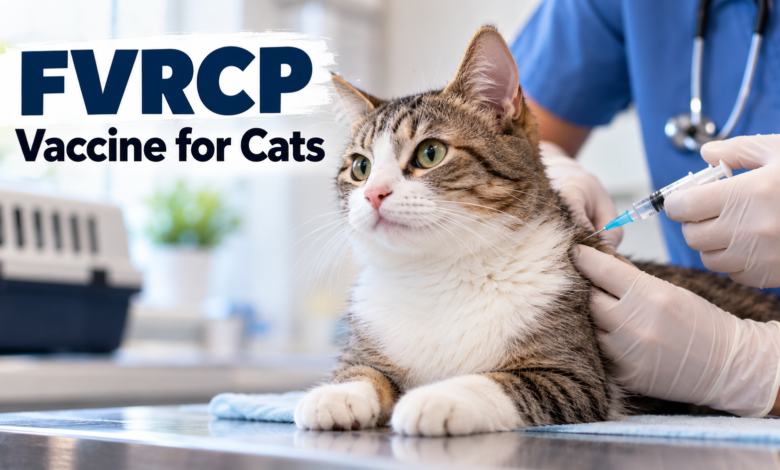
Vaccination is one of the most important parts of preventive cat care, even for cats that live exclusively indoors. The fvrcp vaccine is a core feline vaccination designed to protect against three important viral diseases: feline panleukopenia, feline herpesvirus-1, and feline calicivirus. These infections can cause severe illness, especially in kittens and cats with weakened immune systems.
Understanding the fvrcp schedule can help you know when your kitten or adult cat needs protection and what reactions may be normal afterward. This guide explains what the vaccine covers, when cats typically receive it, its benefits, possible side effects, and when veterinary advice is especially important.
What Is the FVRCP Vaccine?
The fvrcp vaccine is a combination vaccine used to help protect cats against three significant feline diseases. The letters refer to feline viral rhinotracheitis, calicivirus, and panleukopenia. Feline viral rhinotracheitis is commonly associated with feline herpesvirus-1 and can cause sneezing, nasal discharge, eye inflammation, fever, and respiratory disease.
Feline calicivirus is another major cause of feline upper respiratory disease. Depending on the strain, infection can range from mild respiratory signs to more serious illness. Panleukopenia, sometimes called feline distemper, is particularly dangerous because it can cause vomiting, diarrhea, dehydration, immune suppression, and death, especially in young kittens.
The fvrcp vaccine does not guarantee complete protection against every infection or every strain. However, vaccination prepares the immune system to respond more effectively if exposure occurs.
FVRCP Schedule for Kittens and Adult Cats
The recommended fvrcp schedule depends on age, vaccination history, health, lifestyle, and the specific vaccine being used. For kittens, vaccination commonly begins at about 6–8 weeks of age, followed by additional doses every 3–4 weeks until the kitten reaches approximately 16–20 weeks.
This repeated kitten series is important because antibodies received from the mother can interfere with vaccine response during early life. As those maternal antibodies decline, repeated vaccination helps provide opportunities for the kitten to develop its own immunity.
A typical kitten schedule may look like this:
- First dose: around 6–8 weeks of age
- Additional doses: every 3–4 weeks
- Final kitten dose: generally at 16–20 weeks
- Booster: commonly given about one year after the initial series
- Later boosters: based on veterinary recommendations and vaccine labeling
Adult cats with an unknown vaccination history may need an appropriate initial series rather than simply receiving one booster. Cats that are overdue should not automatically be considered permanently unprotected. Your veterinarian can determine the appropriate catch-up plan.
Benefits of the FVRCP Vaccine
The biggest benefit of the fvrcp vaccine is reducing the risk of serious infectious disease. The vaccine is considered a core vaccination for cats because the diseases it targets can affect cats regardless of whether they regularly go outdoors.
Panleukopenia is particularly concerning because the virus is highly contagious and can survive in the environment for long periods. A cat may encounter infectious material without directly meeting another sick cat.
Vaccination against feline herpesvirus and calicivirus can also reduce the likelihood and severity of respiratory disease. Vaccinated cats can still become infected, but vaccination may help reduce the seriousness of illness.
Another important benefit is population protection. When more cats have appropriate immunity, transmission of contagious diseases can become less likely. This is especially relevant in multi-cat households, shelters, catteries, boarding environments, and other places where cats live in close proximity.
However, vaccination works best alongside sensible hygiene and exposure control. It should not be viewed as a substitute for regular veterinary care.
FVRCP Side Effects: What Is Normal?
Most cats tolerate the fvrcp vaccine well. Mild reactions can occur because the immune system is responding to the vaccine. A cat may temporarily seem tired, sleep more than usual, eat slightly less, or develop mild soreness where the injection was given.
These effects are generally short-lived. Some cats may also develop a small, temporary swelling at the injection site. Your veterinarian can tell you what reaction is expected with the specific product administered.
More serious reactions are uncommon but possible. Signs of a severe allergic reaction can include difficulty breathing, facial swelling, repeated vomiting, collapse, or marked weakness. These signs require urgent veterinary attention.
Because cats can rarely develop injection-site tumors known as feline injection-site sarcomas, persistent or unusual lumps should not be ignored. Ask your veterinarian how long you should monitor the injection site and what changes warrant examination.
The potential risks should always be considered alongside the risks of the diseases being prevented. Modern veterinary vaccines undergo safety and quality controls, and serious adverse reactions are uncommon.
Is FVRCP Safe for Indoor Cats?
Yes, indoor cats can still benefit from the fvrcp vaccine. Keeping a cat indoors significantly reduces many exposure risks, but it does not eliminate them.
Viruses can potentially enter a household through contaminated objects, clothing, footwear, other animals, veterinary visits, boarding facilities, or newly introduced cats. Panleukopenia is particularly concerning because the virus can persist in the environment.
For this reason, core vaccination is generally considered important even for cats that never roam outdoors. At the same time, not every cat needs every available vaccine. Veterinarians consider factors such as age, health, lifestyle, exposure to other cats, previous vaccine reactions, and local disease risks when creating an individualized vaccination plan.
This approach helps avoid both under-vaccination and unnecessary vaccination.
What Happens After an FVRCP Vaccination?
After an fvrcp vaccination, give your cat a calm environment and observe its behavior. Mild tiredness or reduced appetite can occur temporarily. Avoid unnecessary stress immediately after the appointment, especially if your cat is young, elderly, or nervous about veterinary visits.
Do not give human medications to your cat unless your veterinarian specifically instructs you to do so. Cats process many medicines differently from humans, and some common human drugs can be dangerous or fatal to cats.
Contact your veterinarian if your cat develops significant or worsening symptoms after vaccination. Emergency veterinary care is appropriate for breathing difficulties, collapse, severe weakness, facial swelling, or other signs of a serious allergic reaction.
It is also useful to keep a written record of vaccination dates, vaccine names, and your cat’s reactions. This information can help your veterinarian make better decisions about future boosters.
FVRCP vs. Other Cat Vaccines
The fvrcp vaccine is not the same as every other feline vaccine. It primarily targets feline herpesvirus, calicivirus, and panleukopenia.
Rabies vaccination is separate and may be legally required depending on where you live. Feline leukemia virus vaccination is also separate and may be recommended according to a cat’s age and exposure risk.
A cat’s vaccination plan should therefore be viewed as a complete preventive-care program rather than a single injection. Your veterinarian may recommend different vaccines depending on whether your cat is strictly indoors, goes outdoors, lives with other cats, visits boarding facilities, or has other potential exposure risks.
Pregnant cats, very young kittens, immunocompromised cats, and cats with previous vaccine reactions may require additional veterinary consideration before vaccination.
Conclusion: Why FVRCP Matters for Cat Health
The fvrcp vaccine is an important part of preventive healthcare for cats because it helps protect against feline panleukopenia, feline herpesvirus, and calicivirus. Kittens generally require a series of vaccinations during their first months of life, followed by boosters according to veterinary recommendations and the vaccine used.
Most cats experience few or only mild temporary reactions. Serious adverse events are uncommon, but owners should know the warning signs that require immediate veterinary attention.
The right fvrcp schedule is not identical for every cat. Age, health, previous vaccination, lifestyle, exposure risk, and local recommendations all matter. Keeping accurate vaccination records and discussing your cat’s individual needs with a veterinarian is the safest way to maintain appropriate protection.
More Pet Guides: For more pet-related guides, tips, and helpful information, visit PetOrbit.blog. Thank you for reading this article!
(FAQs)
What does FVRCP stand for?
FVRCP refers to a combination feline vaccine associated with protection against feline viral rhinotracheitis, calicivirus, and panleukopenia. These diseases can cause respiratory illness, gastrointestinal problems, immune suppression, and potentially life-threatening disease, particularly in kittens.
How often does a cat need the FVRCP vaccine?
The schedule varies by age, vaccine product, vaccination history, and veterinary recommendations. Kittens commonly receive repeated doses every 3–4 weeks until approximately 16–20 weeks of age. After the initial series, a booster is commonly given around one year later, with subsequent vaccination intervals determined by veterinary guidance and product labeling.
Can indoor cats skip FVRCP vaccination?
Indoor cats generally should not automatically skip core vaccination. Although staying indoors reduces exposure, infectious organisms can still enter homes through people, objects, veterinary environments, other animals, or newly introduced cats. Your veterinarian can determine an appropriate schedule based on your cat’s individual circumstances.
How long will my cat feel tired after FVRCP?
Mild tiredness, reduced appetite, or soreness can occur temporarily after vaccination. These reactions are generally short-lived. If your cat becomes severely lethargic, has difficulty breathing, collapses, develops facial swelling, or shows other concerning symptoms, contact a veterinarian immediately.
Can the FVRCP vaccine cause the diseases it protects against?
Vaccines are designed to stimulate an immune response without causing the targeted disease in the way natural infection does. The type of vaccine matters, however, so veterinarians select products according to the cat’s age, health, and circumstances. Vaccination also does not provide 100% protection against every possible infection.
Does my adult cat need FVRCP if vaccination records are missing?
An adult cat with an unknown vaccination history may need to be managed as unvaccinated and receive an appropriate vaccination series. The exact approach depends on the cat’s health and circumstances. A veterinarian can review the situation and establish a catch-up plan.
What should I do if my cat has a lump after an FVRCP injection?
A small temporary injection-site reaction can occur, but persistent, growing, painful, or unusual lumps should be evaluated by a veterinarian. Because feline injection-site sarcomas are rare but serious, owners should monitor vaccination sites and follow their veterinarian’s instructions regarding when a lump should be checked.
Is FVRCP the same as a rabies vaccine?
No. FVRCP and rabies vaccines protect against different diseases. Rabies vaccination is a separate part of feline preventive care and may be required by law depending on the location. Your veterinarian can explain which vaccinations are appropriate and legally required for your cat.

I’m a Pet Niche Expert and Pet Blogger with 12 years of experience in researching and sharing practical, reliable information about pets. Through PetOrbit.blog, I help pet parents and animal lovers better understand their pets and make informed decisions about their care and well-being.
My expertise covers a wide range of pet topics, including pet health, pet food and nutrition, dog and cat breeds, grooming, behavior, training, safety, pet care, travel with pets, and overall pet wellness. I also explore information about different types of pets, their unique needs, characteristics, lifestyles, and responsible ownership.
With more than 12 years of experience in the pet niche, my focus is on creating clear, useful, and easy-to-understand content based on practical knowledge, careful research, and real-world pet care considerations. I believe pet information should be informative without being unnecessarily complicated, so my goal is to make every article helpful for both new and experienced pet owners.
At PetOrbit, my mission is to provide valuable pet guides, breed information, health and nutrition insights, food and care tips, travel advice, and trustworthy resources that help pets live healthier, happier, and more comfortable lives.
PetOrbit.blog — Practical Pet Knowledge for Better Pet Care.