Can Dogs Eat Kidney Beans? Safe Facts Every Dog Owner Should Know
can dogs eat kidney beans

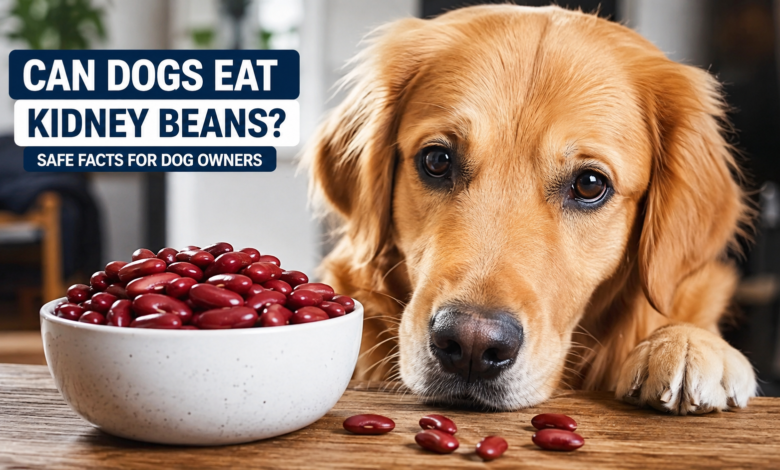
Kidney beans may look like a harmless addition to your dog’s dinner, but preparation matters. So, can dogs eat kidney beans? Yes—but only when they are thoroughly cooked, served plain, and offered in small amounts. Raw or undercooked kidney beans can be dangerous because they contain high levels of phytohemagglutinin, a lectin that can cause digestive illness.
This guide explains whether dogs can eat kidney beans safely, what nutritional benefits they provide, which kidney bean products to avoid, how much is appropriate, and what to do if your dog accidentally eats raw beans.
Can Dogs Eat Kidney Beans Safely?
The short answer is yes, but only under the right conditions. Can dogs eat kidney beans straight from a dry package or uncooked? No. Raw kidney beans are considered unsafe for dogs and should never be deliberately fed.
Proper cooking significantly reduces the harmful lectins found in kidney beans. Once thoroughly cooked and cooled, plain kidney beans can be offered occasionally as a small treat or mixed into a dog’s regular food. Veterinary-reviewed guidance identifies cooked kidney beans as acceptable in small quantities while specifically warning against raw kidney beans.
The important distinction is between plain, properly cooked beans and human dishes containing kidney beans. Chili, seasoned beans, baked beans, refried beans, and other prepared foods can contain onion, garlic, excessive salt, sugar, spices, or large amounts of fat.
Therefore, can dogs eat kidney beans from your dinner plate? Usually, it is best not to share the prepared dish. Instead, give your dog a small portion of plain beans.
Are Cooked Kidney Beans Healthy for Dogs?
When prepared correctly, kidney beans contain several nutrients that can complement a balanced canine diet. They provide plant-based protein, dietary fiber, iron, potassium, magnesium, and other nutrients. Their fiber content may support normal digestion, while their protein contributes to overall nutrient intake.
However, kidney beans should be viewed as an occasional food rather than a replacement for complete dog food. Dogs require a balanced combination of proteins, fats, vitamins, minerals, and other nutrients. Beans alone cannot provide everything a dog needs for long-term health.
Beans’ fiber is another reason moderation matters. A sudden large serving may cause gas, loose stools, abdominal discomfort, or diarrhea. Starting with a small quantity lets you see how your dog responds.
For healthy adult dogs, a few plain cooked beans can be a reasonable occasional topper. If your dog has a medical condition, follows a prescription diet, or has a sensitive digestive system, ask your veterinarian before introducing them.
Can Dogs Eat Kidney Beans Raw or Undercooked?
No. This is the most important safety point for dog owners.
Raw kidney beans contain relatively high levels of phytohemagglutinin, a lectin that can cause gastrointestinal illness. Dogs that consume raw or inadequately cooked kidney beans may develop vomiting, diarrhea, abdominal discomfort, weakness, or other digestive symptoms.
Cooking the beans thoroughly is essential. Soaking and then fully cooking dried kidney beans is preferable to serving them raw, partially cooked, or merely softened.
If your dog steals a few dry beans, don’t assume nothing will happen. The risk depends on factors such as how much your dog ate and your dog’s size. If your dog ate raw kidney beans, especially in a significant quantity, contact your veterinarian for individualized advice.
The same rule applies to leftovers. Beans cooked into a spicy meal aren’t automatically safe just because they were heated. Other ingredients can create separate risks.
How to Prepare Kidney Beans for Dogs
If you decide to offer kidney beans, keep preparation simple. Can dogs eat kidney beans safely when they are cooked at home? Yes, as long as they are thoroughly cooked and contain no harmful additions.
For dried beans, soak them as directed and cook them thoroughly until soft. Allow them to cool before serving. Do not add salt, butter, oil, garlic, onion, chili seasoning, sauces, or other flavorings.
A simple preparation routine is:
- Choose plain dried kidney beans or a suitable low-sodium option.
- Soak and cook dried beans thoroughly.
- Discard the cooking liquid as appropriate and let the beans cool.
- Serve a small portion without seasoning.
- Introduce them gradually and watch for digestive problems.
Canned beans require additional caution because many contain substantial sodium. If you use canned kidney beans, choose a plain, low-sodium or no-salt-added product when possible and rinse them thoroughly. Even then, they should remain an occasional treat rather than a major part of the diet.
Can Dogs Eat Kidney Beans From Chili, Baked Beans, or Canned Meals?
This is where many owners make a mistake. Can dogs eat kidney beans that have been cooked into chili? Generally, no, because the surrounding ingredients may be unsafe even if the beans themselves are properly cooked.
Chili can contain onion, garlic, excessive salt, spicy seasonings, and high-fat ingredients. Baked beans may contain added sugar, sauces, and seasonings. Refried bean dishes can contain substantial fat and ingredients that are unsuitable for dogs. Veterinary guidance recommends avoiding these prepared bean dishes rather than treating them as equivalent to plain cooked beans.
Canned kidney beans also deserve attention because sodium can add up quickly. Healthy dogs can generally tolerate occasional small amounts of suitable canned foods, but frequent high-sodium foods are not a good choice.
If you want to share kidney beans, separate a plain portion before adding human seasonings. That simple step makes the food much easier to control.
How Many Kidney Beans Can Dogs Eat?
No single portion works for every dog. Size, age, activity level, overall diet, digestive sensitivity, and health conditions all matter. Can dogs eat kidney beans every day? They generally do not need to.
A sensible approach is to start with just a few thoroughly cooked beans. For a small dog, this may mean starting with only a teaspoon-sized portion. A larger dog may tolerate more, but increasing the amount gradually is safer than suddenly adding a large serving.
Treats and extras should not displace a complete and balanced diet. Veterinary nutrition guidance often recommends limiting human foods and treats to a small portion of a dog’s daily calorie intake.
Watch your dog after the first serving. Gas, diarrhea, vomiting, bloating, or obvious abdominal discomfort may mean the food doesn’t agree with them. Stop offering the beans and contact your veterinarian if symptoms persist, are severe, or are accompanied by other concerning signs.
Dogs with kidney disease deserve special caution. Beans can contribute phosphorus to the diet, while dogs with kidney disease may require carefully controlled phosphorus, sodium, and protein levels. Their diet should therefore follow veterinary recommendations rather than generic healthy-food advice.
What Should You Do If Your Dog Eats Raw Kidney Beans?
If your dog has eaten raw kidney beans, take the situation seriously. Can dogs eat kidney beans accidentally without becoming ill? It is possible, but raw kidney beans are a known food-safety concern, so don’t rely on guesswork.
Contact your veterinarian and explain what your dog ate, approximately how much, whether the beans were raw or cooked, and when the ingestion occurred. Watch for vomiting, diarrhea, weakness, abdominal discomfort, or other unusual behavior.
Do not try to make your dog vomit unless a veterinarian specifically instructs you to do so. Home remedies can create additional risks.
If symptoms appear severe or your dog seems significantly unwell, seek veterinary care promptly. Puppies, very small dogs, older dogs, and dogs with existing medical conditions may need particular caution.
Conclusion
So, can dogs eat kidney beans? Yes, but only when the beans are thoroughly cooked, plain, and offered in moderation. Avoid raw or undercooked kidney beans because their lectin content can cause gastrointestinal illness.
The safest option is simple: cook the beans thoroughly, skip seasonings, start with a small amount, and keep them as an occasional addition to a complete diet. Avoid chili, baked beans, refried beans, and heavily salted preparations.
If your dog has kidney disease, digestive problems, or another condition requiring a specialized diet, speak with your veterinarian before adding kidney beans. The goal is not simply to find technically safe foods, but to make sure every extra food fits your dog’s individual nutritional needs.
FAQs
Can dogs eat kidney beans every day?
Can dogs eat kidney beans every day? They generally do not need to. Kidney beans should be an occasional addition, not a dietary staple. Too many can cause gas, diarrhea, or digestive discomfort, and too many extras can interfere with a nutritionally balanced diet.
Can dogs eat kidney beans straight from a can?
Dogs can potentially eat a small amount of plain canned kidney beans, but canned varieties may contain considerable sodium. If you use them, choose a low-sodium or no-salt-added option and rinse them well. Plain, thoroughly cooked beans are preferable.
Can dogs eat kidney beans that are not fully cooked?
No. Can dogs eat kidney beans that are raw or undercooked? They should not. Raw kidney beans contain higher levels of phytohemagglutinin, which can cause gastrointestinal illness. Cook them thoroughly before offering them to a dog.
Are kidney beans good for puppies?
Puppies have developing digestive systems and specific nutritional requirements. Although properly cooked kidney beans are not inherently forbidden, introduce them only in very small quantities, and never replace complete puppy food. Ask your veterinarian before adding new human foods to a young puppy’s diet.
Can dogs eat kidney beans in chili?
No. Even if the kidney beans in chili are cooked, the dish may contain onion, garlic, salt, spices, high-fat ingredients, or other foods unsuitable for dogs. Instead, give your dog plain cooked beans.
What happens if a dog eats raw kidney beans?
Raw kidney beans can cause gastrointestinal problems because of their phytohemagglutinin content. Possible signs include vomiting, diarrhea, abdominal discomfort, and weakness. If your dog eats raw kidney beans, contact your veterinarian and provide details about the amount and timing.
Can dogs with kidney disease eat kidney beans?
Dogs with kidney disease may require carefully controlled levels of phosphorus, sodium, and other nutrients. Because beans can contribute phosphorus, don’t automatically add them to a renal diet. Your veterinarian should determine whether they fit your dog’s specific nutritional plan.
What beans are safe for dogs?
Several types of beans can be appropriate when thoroughly cooked or otherwise safely prepared, including black beans, pinto beans, lima beans, chickpeas, and kidney beans. The key is to choose plain preparations, avoid harmful seasonings, and feed small portions.
More Pet Guides: For more pet-related guides, tips, and helpful information, visit PetOrbit.blog. Thank you for reading this article!

I’m a Pet Niche Expert and Pet Blogger with 12 years of experience in researching and sharing practical, reliable information about pets. Through PetOrbit.blog, I help pet parents and animal lovers better understand their pets and make informed decisions about their care and well-being.
My expertise covers a wide range of pet topics, including pet health, pet food and nutrition, dog and cat breeds, grooming, behavior, training, safety, pet care, travel with pets, and overall pet wellness. I also explore information about different types of pets, their unique needs, characteristics, lifestyles, and responsible ownership.
With more than 12 years of experience in the pet niche, my focus is on creating clear, useful, and easy-to-understand content based on practical knowledge, careful research, and real-world pet care considerations. I believe pet information should be informative without being unnecessarily complicated, so my goal is to make every article helpful for both new and experienced pet owners.
At PetOrbit, my mission is to provide valuable pet guides, breed information, health and nutrition insights, food and care tips, travel advice, and trustworthy resources that help pets live healthier, happier, and more comfortable lives.
PetOrbit.blog — Practical Pet Knowledge for Better Pet Care.