Dogs and Benadryl: Is Benadryl Safe for Dogs? The Important Safety Guide
Dogs and Benadryl

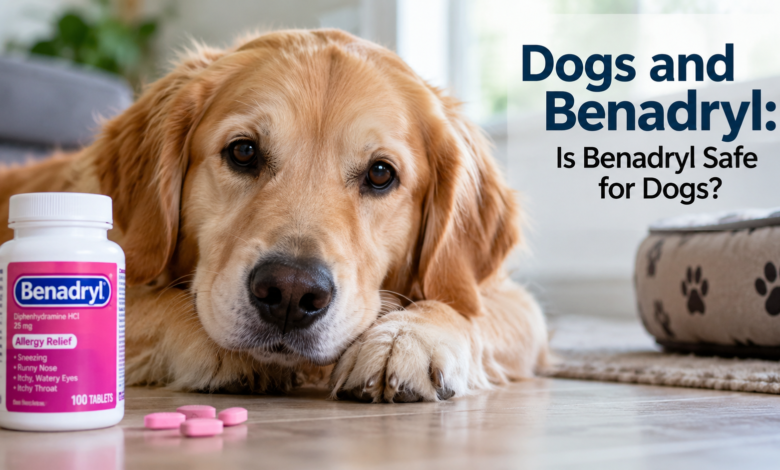
If your dog suddenly develops itching, hives, or another allergy-like reaction, you may wonder whether the medicine in your cabinet can help. The question of dogs and Benadryl is common because Benadryl contains diphenhydramine, an antihistamine that veterinarians sometimes use in dogs.
However, “safe for dogs” does not mean “safe to give without veterinary advice.” The correct product, dose, medical history, and reason for treatment all matter. Some human allergy products also contain additional ingredients that can be dangerous to pets.
This guide explains when diphenhydramine may be used in dogs, what risks to know, why combination products can be dangerous, and what to do if your dog accidentally receives too much.
Are dogs and Benadryl generally safe together?
Benadryl is a brand name for diphenhydramine, a first-generation antihistamine. Under veterinary direction, diphenhydramine can be used in dogs for certain situations, including some allergic reactions and itching. It can also have sedating and anti-nausea effects.
The key distinction is that veterinary use depends on the individual dog and the specific formulation. A medication that is appropriate for one dog may not be appropriate for another.
Veterinarians consider factors such as body weight, age, existing medical conditions, pregnancy, other medications, and the severity and cause of the symptoms. Never copy human dosing instructions for a dog.
A major difference also exists between a single-ingredient diphenhydramine product and a multi-symptom allergy or cold medicine. Combination products may contain decongestants or other drugs that can cause serious toxicity in dogs.
For that reason, always discuss Benadryl with a veterinarian before intentional administration.
When might dogs and Benadryl be treated with diphenhydramine?
Veterinarians may use diphenhydramine for certain allergic or histamine-related problems. Depending on the situation, it may help reduce signs such as itching, hives, or other mild allergic symptoms.
However, don’t assume every itchy or swollen dog has an allergy. Skin infections, parasites, food reactions, environmental allergies, insect bites, autoimmune disorders, and other conditions can cause similar symptoms.
Diphenhydramine may also be used for motion sickness or nausea in some veterinary circumstances. Its sedative properties can make a dog sleepy, although sedation should not be considered the primary reason to give the medication.
Veterinary references list diphenhydramine dosing for dogs in a specific therapeutic range, but you should not treat that information as an individualised prescription. The appropriate amount depends on the dog’s circumstances and the exact product being used.
If your dog has facial swelling, difficulty breathing, collapse, repeated vomiting, or another potentially severe allergic reaction, do not rely on an antihistamine at home. Seek urgent veterinary care.
What Benadryl dose is safe for dogs?
One of the most searched questions about dogs and Benadryl is how much to give. Veterinary references commonly list diphenhydramine at approximately 2–4 mg per kg of body weight for dogs, with dosing intervals depending on the clinical situation.
That range should not be interpreted as permission to calculate and administer a dose without professional guidance.
For example, two dogs with the same body weight can have very different health histories. A dog taking other medications or suffering from certain medical conditions may require a different approach. In addition, tablets, capsules, liquids, and combination products can contain different ingredients and concentrations.
Before giving any diphenhydramine product, check the active ingredients carefully and ask your veterinarian to confirm the exact product and dose.
Never assume that a children’s or adult formulation is automatically appropriate for your dog. Liquid medications and flavoured products deserve particular attention because some formulations may contain ingredients that are unsafe for dogs.
What are the side effects of Benadryl in dogs?
Normal therapeutic use can cause drowsiness because diphenhydramine affects the central nervous system. Some dogs may also experience an upset stomach or appear unsteady.
The concern increases when a dog receives too much medication. Signs of excessive antihistamine exposure can include pronounced sedation, agitation, restlessness, an increased heart rate, tremors, changes in body temperature, and difficulty walking. Severe poisoning can become a veterinary emergency.
Owners should therefore monitor their dog after any medication given under veterinary instruction and contact a veterinarian if unexpected or worsening symptoms appear.
A particularly important warning concerns combination products. Some human allergy, sinus, and cold medicines contain decongestants such as pseudoephedrine. These ingredients can cause severe hyperactivity, abnormal heart rate, neurologic problems, and seizures in pets.
That is why the label matters as much as the medication’s familiar brand name.
Why dogs and Benadryl require careful label checking
The biggest mistake owners make with dogs and Benadryl is assuming every product carrying the Benadryl name contains only diphenhydramine.
Human medications often come in different formulations. Some are designed to treat several symptoms at once and may contain antihistamines plus decongestants, pain relievers, or other active ingredients.
Those additional ingredients can dramatically change the risk to a dog. Merck Veterinary Manual notes that many over-the-counter human medications have not been established as safe for animals, and combination allergy and cold products can create additional toxicity concerns.
Xylitol is another ingredient pet owners should take seriously. This sweetener can cause a dangerous drop in blood sugar in dogs and can also cause severe liver injury. It may occur in certain medications and other products, including some chewable or flavoured formulations.
Before giving any medication, read the entire active-ingredient list rather than relying on the front of the package.
What should you do if your dog gets too much Benadryl?
If your dog accidentally eats several tablets, receives an incorrect dose, or consumes a combination allergy product, contact your veterinarian promptly. Do not wait for symptoms to appear before seeking professional advice.
Have the medication package available. Your veterinarian or an animal poison service will need information such as the product name, strength, active ingredients, estimated amount consumed, your dog’s weight, and approximately when the ingestion occurred.
Possible overdose signs include excessive sleepiness, weakness, unsteadiness, agitation, rapid heart rate, tremors, and other abnormal behaviour. Larger exposures can be more serious.
Do not induce vomiting unless a veterinary professional specifically tells you to do so. Some poisonings require different treatment strategies, and attempting home treatment can create additional risks.
If your dog is unconscious, having seizures, struggling to breathe, collapsing, or showing severe neurologic or cardiovascular signs, treat the situation as an emergency and go directly to a veterinary hospital.
Safe practices for dogs and Benadryl at home
The safest approach to dogs and Benadryl is to treat the medicine like any other potentially hazardous household drug. Keep all medications in a secure location that your dog cannot access.
If a veterinarian recommends diphenhydramine, follow the instructions precisely. Do not increase the dose because the first dose did not seem effective, and do not combine it with another medication unless your veterinarian approves the combination.
Also remember that antihistamines do not treat every cause of itching or swelling. Persistent scratching, recurrent ear problems, hair loss, skin lesions, vomiting, or repeated allergic reactions warrant a veterinary examination because treating the underlying cause matters more than repeatedly suppressing symptoms.
For pet owners, the most useful rule is simple: never choose a human medication solely because it is available over the counter.
Conclusion: What pet owners should know about dogs and Benadryl
So, are dogs and Benadryl compatible? Diphenhydramine can be used in dogs in appropriate circumstances, and veterinary references recognise it as a medication with established veterinary applications. However, the correct dose and formulation matter, and some human products contain additional ingredients that can be dangerous.
The safest choice is to speak with your veterinarian before giving Benadryl to your dog. Check the active ingredients, avoid combination cold and allergy medicines unless specifically prescribed, and seek immediate veterinary help after a suspected overdose or serious reaction.
With dogs and Benadryl, the goal should never be simply finding a dose. It should be making sure the medication is appropriate for your individual dog and the problem being treated.
More Pet Guides: For more pet-related guides, tips, and helpful information, visit PetOrbit.blog. Thank you for reading this article!
(FAQs)
Is Benadryl safe for dogs?
Diphenhydramine, the active ingredient in many Benadryl products, can be used in dogs under veterinary guidance. However, safety depends on the dose, formulation, the dog’s health, and the reason for treatment. Some Benadryl-branded or similar human products contain additional ingredients that may be dangerous.
Can I give my dog Benadryl for itching?
A veterinarian may recommend diphenhydramine for certain allergic or histamine-related symptoms, but itching can have many causes. Fleas, infections, parasites, environmental allergies, and other conditions may require different treatments. A veterinarian can help determine whether an antihistamine is appropriate.
How much Benadryl can a dog take?
Veterinary references commonly list diphenhydramine at about 2–4 mg/kg for dogs, but an owner should not use that range as a substitute for veterinary advice. The exact product, concentration, medical history, and treatment purpose all matter.
Can Benadryl make dogs sleepy?
Yes. Drowsiness or sedation is a common effect of diphenhydramine. Some dogs may also experience gastrointestinal upset or unsteadiness. Excessive sleepiness, agitation, tremors, or other abnormal signs can indicate excessive exposure and warrant veterinary advice.
Can I give my dog Benadryl for a severe allergic reaction?
Do not rely on Benadryl alone for a severe allergic reaction. Facial or throat swelling, difficulty breathing, collapse, or severe weakness can require urgent veterinary treatment. An antihistamine should not delay emergency care.
Is children’s Benadryl safe for dogs?
Not automatically. Children’s products can differ in concentration, flavouring, sweeteners, and other ingredients. Some formulations may contain ingredients that are inappropriate or toxic for dogs. Always have a veterinarian confirm the exact product before administering it.
What happens if a dog overdoses on Benadryl?
An overdose can cause pronounced sedation, unsteadiness, agitation, increased heart rate, tremors, and other serious signs. Combination products can create additional dangers. Contact a veterinarian or animal poison service immediately after a suspected overdose rather than waiting for symptoms.
Can dogs and Benadryl be used together every day?
Use Benadryl routinely or long-term only under veterinary supervision. If a dog repeatedly needs an antihistamine for itching or allergy symptoms, investigate the underlying cause rather than continually treating the symptoms at home.

I’m a Pet Niche Expert and Pet Blogger with 12 years of experience in researching and sharing practical, reliable information about pets. Through PetOrbit.blog, I help pet parents and animal lovers better understand their pets and make informed decisions about their care and well-being.
My expertise covers a wide range of pet topics, including pet health, pet food and nutrition, dog and cat breeds, grooming, behavior, training, safety, pet care, travel with pets, and overall pet wellness. I also explore information about different types of pets, their unique needs, characteristics, lifestyles, and responsible ownership.
With more than 12 years of experience in the pet niche, my focus is on creating clear, useful, and easy-to-understand content based on practical knowledge, careful research, and real-world pet care considerations. I believe pet information should be informative without being unnecessarily complicated, so my goal is to make every article helpful for both new and experienced pet owners.
At PetOrbit, my mission is to provide valuable pet guides, breed information, health and nutrition insights, food and care tips, travel advice, and trustworthy resources that help pets live healthier, happier, and more comfortable lives.
PetOrbit.blog — Practical Pet Knowledge for Better Pet Care.