Excessive Drooling in Dogs: Important Causes, Symptoms & When to See a Vet
excessive drooling in dogs

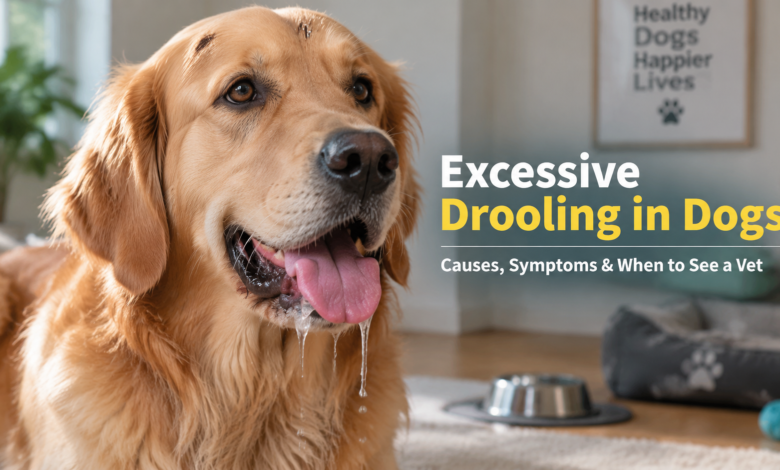
Drooling is a normal part of being a dog, especially for certain breeds that naturally produce more saliva. However, sudden or heavy drooling can sometimes signal an underlying problem that needs attention. Excessive drooling in dogs may happen because of dental issues, nausea, anxiety, heat exposure, toxins, mouth injuries, or serious health conditions.
Understanding why your dog is drooling more than usual can help you decide whether it is harmless or requires veterinary care. In this guide, you will learn the common causes, symptoms to watch for, possible treatments, prevention tips, and answers to frequently asked questions about abnormal drooling in dogs.
What Causes Excessive Drooling in Dogs?
Excessive drooling in dogs can occur for many reasons, ranging from simple excitement to medical emergencies. Some dogs naturally drool more because of their anatomy. Breeds with large jowls and loose lips, such as Saint Bernards, Mastiffs, Bloodhounds, and Bulldogs, often have more saliva because their mouths cannot hold it effectively.
In other cases, increased saliva production may be the body’s response to irritation or discomfort. Dental problems are among the most common causes. A broken tooth, gum infection, oral ulcers, or trapped objects in the mouth can make swallowing painful and trigger extra saliva.
Other common causes include:
- Nausea or digestive upset
- Motion sickness during car rides
- Anxiety, fear, or stress
- Exposure to bitter substances
- Foreign objects stuck in the mouth or throat
- Heat stress or overheating
- Pain from injuries
Some medical conditions can also increase drooling. Nervous system problems, difficulty swallowing, infections, and certain diseases may cause saliva to build up around the mouth. If drooling appears suddenly or comes with other unusual symptoms, don’t ignore it.
Signs That Drooling May Be a Health Concern
Normal drooling is usually predictable and linked to specific situations, such as seeing food, smelling something interesting, or feeling excited. However, excessive drooling in dogs becomes concerning when it appears suddenly, becomes much heavier than normal, or is combined with other warning signs.
Pet owners should watch for symptoms such as:
- Pawing at the mouth or face
- Bad breath that is stronger than usual
- Difficulty eating or chewing
- Loss of appetite
- Vomiting or diarrhoea
- Swelling around the mouth or jaw
- Blood in saliva
- Trouble swallowing
- Weakness or unusual behaviour
- Fever or tiredness
A dog that drools excessively and acts normal may have a minor issue, but behavioural changes often provide important clues. For example, a dog refusing food while drooling may have dental pain, while drooling with vomiting could indicate stomach irritation.
Monitoring when the drooling happens can also help. Note whether it occurs after meals, during exercise, after outdoor activities, or throughout the entire day. This information can help a veterinarian identify possible triggers.
Common Medical Reasons Behind Excessive Drooling in Dogs
One of the most frequent reasons for excessive drooling in dogs is poor oral health. Dogs can develop plaque buildup, tartar, gum disease, and infected teeth just like humans. Without regular dental care, these issues can become painful and affect eating habits.
Dental conditions that may increase drooling include:
- Periodontal disease
- Tooth fractures
- Mouth infections
- Oral tumors
- Foreign objects between teeth
Gastrointestinal problems are another possible cause. Dogs experiencing nausea may produce extra saliva before vomiting. Eating spoiled food, swallowing something unusual, or having stomach inflammation can all trigger this response.
Certain toxins and harmful substances may also cause sudden drooling. Examples include some household chemicals, poisonous plants, medications, and toxic foods. If drooling begins shortly after your dog explores a new environment, consider toxin exposure.
Neurological issues can also affect a dog’s ability to control saliva. Conditions involving nerves, muscles, or swallowing ability may cause saliva to leak from the mouth. These cases usually require professional veterinary evaluation.
How Veterinarians Diagnose and Treat Excessive Drooling
When you visit a veterinarian for excessive drooling in dogs, the first step is usually a complete physical examination. The vet will check your dog’s mouth, teeth, gums, throat, temperature, and overall health.
The veterinarian may ask questions about:
- When the drooling started
- Whether it appeared suddenly or gradually
- Changes in eating or drinking habits
- Possible toxin exposure
- Recent injuries or illnesses
- Any other symptoms
Treatment depends on the underlying cause. For dental problems, treatment may include professional cleaning, tooth extraction, antibiotics, or pain management. If a foreign object is irritating, it may need to be carefully removed.
For nausea or digestive problems, veterinarians may recommend dietary adjustments or medications. In cases involving toxins or serious illness, immediate treatment may be required.
Owners should not give dogs human medications without veterinary advice. Many common human drugs can be dangerous for pets.
Ways to Prevent Drooling Problems in Dogs
While you can’t prevent every case of excessive drooling in dogs, good daily care can reduce many common causes.
Regular dental care is one of the most effective prevention methods. Brushing your dog’s teeth with pet-safe toothpaste, providing veterinarian-approved dental products, and scheduling professional dental checks can help maintain oral health.
Other helpful prevention steps include:
- Keep harmful chemicals and toxic foods away from pets
- Provide fresh water at all times
- Avoid overheating during hot weather
- Check your dog’s mouth regularly for injuries or unusual changes
- Maintain routine veterinary visits
- Feed a balanced diet suitable for your dog’s age and health needs
Training and supervision also matter. Dogs often chew objects that can injure their mouths or become choking hazards. Keeping unsafe items out of reach reduces the risk of mouth injuries and digestive problems.
When Should You Take a Drooling Dog to the Vet?
Knowing when to seek professional help is important because excessive drooling in dogs can sometimes indicate a serious condition. Schedule a veterinary appointment if drooling is persistent, unusual for your dog, or accompanied by other symptoms.
Seek urgent veterinary care if your dog:
- Drools suddenly and heavily
- Shows signs of poisoning
- Has difficulty breathing or swallowing
- Cannot eat or drink normally
- Appears weak, confused, or distressed
- Has blood in the saliva
- Experiences facial swelling
Some situations require immediate action because conditions like toxin exposure, throat blockage, or severe infections can worsen quickly.
If your dog is otherwise healthy but has gradually developed increased drooling, schedule a routine checkup. Early diagnosis often makes treatment easier and helps prevent discomfort.
Expert Tips for Managing a Dog That Drools More Than Usual
Living with a drooling dog can be manageable when owners understand their pet’s normal habits. The key is recognising changes rather than focusing only on the amount of saliva.
Keep a simple record of your dog’s drooling patterns. Write down when it happens, what your dog was doing beforehand, and whether other symptoms appear. This can provide valuable information during a veterinary visit.
Don’t assume all drooling is harmless, especially if your dog is older or has existing health problems. Senior dogs may develop dental disease or other conditions that affect saliva production.
A healthy lifestyle, regular checkups, proper nutrition, and good oral hygiene all contribute to better long-term health. Noticing small changes in behaviour can help you catch problems early.
Conclusion
Excessive drooling in dogs can be caused by harmless factors like breed characteristics or excitement, but it may also point to dental disease, digestive issues, toxins, or other health concerns. Understanding your dog’s normal behaviour is the first step in recognising when something has changed.
Regular dental care, safe surroundings, proper nutrition, and routine veterinary visits can help prevent many drooling-related problems. If your dog’s saliva production suddenly increases or comes with other warning signs, contacting a veterinarian is the safest choice.
A little attention to your dog’s habits can make a big difference in protecting their comfort, health, and quality of life.
More Pet Guides: For more pet-related guides, tips, and helpful information, visit PetOrbit.blog. Thank you for reading this article!
(FAQs)
Is excessive drooling in dogs always a sign of illness?
No, excessive drooling in dogs is not always caused by illness. Some breeds naturally drool more because of their facial structure, and dogs may also drool when excited, hungry, or stressed. However, sudden or unusual drooling should be checked because it can indicate a medical issue.
Why is my dog suddenly drooling a lot?
Sudden drooling can happen because of dental pain, nausea, anxiety, mouth injuries, toxin exposure, or something stuck in the mouth. If the drooling starts suddenly and your dog shows other symptoms, consult your vet.
Can dental problems cause excessive drooling in dogs?
Yes, dental problems are one of the most common causes. Tooth infections, gum disease, broken teeth, and oral injuries can make swallowing uncomfortable and increase saliva production.
How can I tell if my dog’s drooling is serious?
Drooling becomes more concerning when it happens with symptoms such as vomiting, weakness, loss of appetite, trouble swallowing, mouth swelling, or behaviour changes. These signs suggest your dog may need professional evaluation.
Do certain dog breeds drool more than others?
Yes, some breeds naturally drool more due to their large lips and loose facial skin. Saint Bernards, Mastiffs, Bloodhounds, and Bulldogs are well-known examples of heavy-drooling breeds.
What should I do if my dog is drooling after eating something unusual?
Remove access to the substance and observe your dog. If you suspect poisoning or notice symptoms like vomiting, shaking, breathing problems, or extreme tiredness, contact a veterinarian immediately.
Can anxiety cause a dog to drool excessively?
Yes, stress and anxiety can increase saliva production in some dogs. Situations like car rides, thunderstorms, unfamiliar places, or vet visits may cause temporary drooling.

I’m a Pet Niche Expert and Pet Blogger with 12 years of experience in researching and sharing practical, reliable information about pets. Through PetOrbit.blog, I help pet parents and animal lovers better understand their pets and make informed decisions about their care and well-being.
My expertise covers a wide range of pet topics, including pet health, pet food and nutrition, dog and cat breeds, grooming, behavior, training, safety, pet care, travel with pets, and overall pet wellness. I also explore information about different types of pets, their unique needs, characteristics, lifestyles, and responsible ownership.
With more than 12 years of experience in the pet niche, my focus is on creating clear, useful, and easy-to-understand content based on practical knowledge, careful research, and real-world pet care considerations. I believe pet information should be informative without being unnecessarily complicated, so my goal is to make every article helpful for both new and experienced pet owners.
At PetOrbit, my mission is to provide valuable pet guides, breed information, health and nutrition insights, food and care tips, travel advice, and trustworthy resources that help pets live healthier, happier, and more comfortable lives.
PetOrbit.blog — Practical Pet Knowledge for Better Pet Care.