Can can dogs eat cooked chicken skin? The Risky Truth Every Owner Should Know
can dogs eat cooked chicken skin

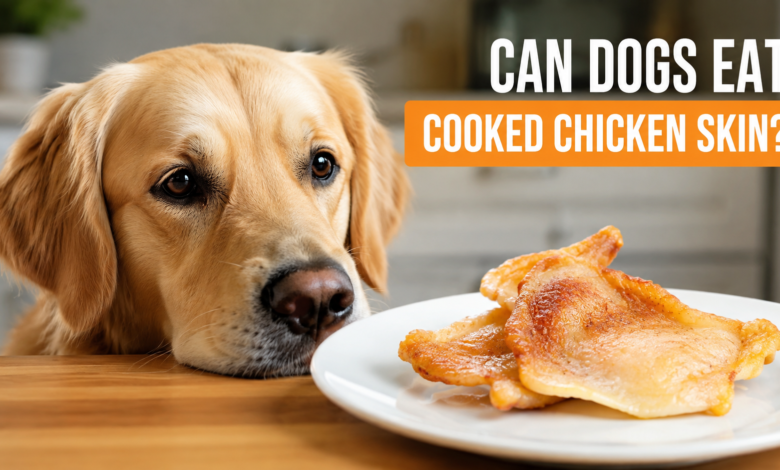
Chicken is a popular high-protein food that many dog owners use as an occasional treat. But the skin is a different story. If you are wondering, can dogs eat cooked chicken skin, the safest answer is: it is better to avoid giving it to your dog. Cooked chicken skin is high in fat, and fatty foods can cause digestive upset and may contribute to pancreatitis in susceptible dogs.
A tiny accidental piece does not automatically mean your dog will become sick. However, regularly feeding chicken skin offers little nutritional advantage compared with lean, skinless chicken. This guide explains the risks, what to do if your dog eats chicken skin, which dogs are more vulnerable, and how to serve chicken safely.
Can can dogs eat cooked chicken skin safely?
Technically, a healthy dog may tolerate a small amount of cooked chicken skin, but that does not make it a good treat. Chicken skin contains considerably more fat than plain chicken meat. High-fat foods can cause stomach upset and, in some dogs, may contribute to pancreatitis, a painful inflammation of the pancreas.
That is why the better answer to can dogs eat cooked chicken skin is “generally, no.” Dogs do not need chicken skin to obtain the protein or nutrients found in chicken. Skinless, fully cooked chicken breast provides lean protein while avoiding much of the unnecessary fat.
The risk is particularly important if your dog has previously experienced pancreatitis, needs a low-fat diet, is overweight, or has another condition for which your veterinarian has recommended dietary fat restriction. Veterinary guidance commonly favors lower-fat foods for dogs with pancreatic disease.
Why is cooked chicken skin risky for dogs?
The main concern is fat rather than chicken itself. Fat provides concentrated calories, and a sudden fatty meal can be difficult for some dogs to tolerate. In susceptible dogs, dietary indiscretion involving fatty foods can be associated with pancreatitis.
Possible signs after eating a fatty food include vomiting, diarrhea, reduced appetite, lethargy, and abdominal discomfort. Pancreatitis can be more serious than ordinary indigestion and may require veterinary treatment.
There is another issue: the way chicken skin is prepared. Fried chicken skin can contain additional oil, while roasted chicken may be coated with butter, sauces, salt, spices, garlic, or onion. Garlic and onion, including powdered forms, are toxic to dogs.
So when asking can dogs eat cooked chicken skin, consider the entire preparation, not just the skin itself.
What happens if a dog eats chicken skin?
If your dog stole a small piece of plain, cooked chicken skin, do not automatically panic. Many dogs will not develop serious problems after a small accidental amount. The appropriate response depends on how much was eaten, how the chicken was prepared, and your dog’s individual health.
Watch your dog for gastrointestinal changes such as vomiting, diarrhea, loss of appetite, unusual tiredness, or signs of abdominal pain. These symptoms can occur with dietary upset and can also be associated with pancreatitis.
A larger quantity deserves more caution, particularly if the chicken was greasy or heavily seasoned. Dogs with a history of pancreatitis or other medical conditions may need veterinary advice even after eating a relatively small amount of fatty food.
Do not attempt to make your dog vomit unless a veterinarian specifically instructs you to do so. Instead, remove the remaining food, provide access to fresh water, and monitor your dog closely.
Seek prompt veterinary care if your dog develops repeated vomiting, significant abdominal pain, marked weakness, persistent diarrhea, refuses food, or appears increasingly unwell.
Can can dogs eat cooked chicken skin if it is plain?
Plain chicken skin is less concerning than skin covered with sauces, seasoning, or cooking oil, but it is still a high-fat food. Therefore, plain does not necessarily mean healthy.
If you want to give your dog cooked chicken, remove the skin before serving. The meat should be thoroughly cooked and offered plain, without onion, garlic, heavy seasoning, rich sauces, or excessive oil. Cooked chicken can be a useful protein-rich treat when given appropriately, while veterinary sources specifically recommend skinless chicken as a lower-fat option for dogs needing dietary fat control.
Portion size matters, too. Treats and food toppers should remain a small part of the overall diet. VCA recommends keeping treats and toppers to no more than about 10% of a dog’s daily calories unless your veterinary team advises otherwise.
For everyday feeding, a complete and balanced dog food should remain the foundation of the diet.
Which dogs should avoid chicken skin completely?
Some dogs have a much stronger reason to avoid fatty foods. If your dog has had pancreatitis, a veterinarian may recommend a low-fat diet, making chicken skin an inappropriate choice. Dogs with other gastrointestinal or metabolic conditions may also have specific dietary requirements.
Dogs that are overweight can also benefit from avoiding calorie-dense human foods. Fatty treats can add substantial calories without providing an important nutritional benefit.
Additionally, dogs with food allergies or adverse food reactions may react to chicken itself. Chicken is among the food ingredients known to cause allergic reactions in some dogs, although confirmed food allergies are not especially common.
Puppies should also receive most of their nutrition from a complete, age-appropriate puppy diet rather than table scraps. If you want to introduce chicken as a treat, use a small amount of plain, cooked, skinless meat and discuss dietary changes with your veterinarian when appropriate.
What is the safest way to give chicken to dogs?
If you decide to offer chicken, preparation is more important than simply choosing chicken over another meat. Plain, cooked, skinless chicken is generally a much better option than fatty chicken skin or fried chicken.
Use these basic guidelines:
- Remove the skin and all bones before serving.
- Cook the chicken thoroughly.
- Avoid onion, garlic, spicy seasonings, sauces, and excessive salt.
- Do not serve fried chicken or chicken cooked in large amounts of oil.
- Cut the meat into manageable bite-sized pieces.
- Offer only a small amount as an occasional treat or topper.
- Keep the dog’s regular complete and balanced food as the main diet.
Cooked bones are particularly dangerous because they can splinter and cause choking, obstruction, or internal injuries.
If your dog enjoys chicken, skinless breast meat is usually a more sensible choice than skin. For dogs with pancreatic disease or other dietary restrictions, follow the specific food plan provided by your veterinarian rather than adding human foods independently.
Conclusion:
So, can dogs eat cooked chicken skin? A small accidental piece of plain skin may not cause a problem in every healthy dog, but intentionally feeding chicken skin is not recommended. The biggest concern is its fat content, especially for dogs prone to digestive problems or pancreatitis.
The safer choice is plain, thoroughly cooked, skinless chicken served in moderation. Avoid bones, fried preparations, rich sauces, garlic, onion, and heavy seasoning.
If your dog has eaten a large amount of chicken skin or develops vomiting, diarrhea, abdominal pain, loss of appetite, or unusual lethargy, contact your veterinarian promptly. When in doubt, choosing lean chicken instead of skin is the simple, safer option.
More Pet Guides: For more pet-related guides, tips, and helpful information, visit PetOrbit.blog. Thank you for reading this article!
(FAQs)
Can can dogs eat cooked chicken skin in small amounts?
A healthy dog may tolerate a small accidental piece, but chicken skin is high in fat and is not a recommended regular treat. Skinless cooked chicken is a safer alternative, especially for dogs that need a lower-fat diet.
Can can dogs eat cooked chicken skin if it has no seasoning?
Plain skin avoids the additional risks associated with ingredients such as garlic, onion, sauces, and excessive salt. However, the skin itself remains fatty, so it is still better to remove it before giving chicken to your dog.
Can chicken skin cause pancreatitis in dogs?
A fatty meal can contribute to pancreatitis in susceptible dogs, although pancreatitis can have multiple causes and does not always result from diet. Dogs with a previous history of pancreatitis should generally avoid high-fat foods unless their veterinarian says otherwise.
What should I do if my dog ate a lot of cooked chicken skin?
Monitor your dog closely and contact your veterinarian for individualized advice, particularly if your dog has a history of pancreatitis or another medical condition. Watch for vomiting, diarrhea, abdominal pain, weakness, or loss of appetite. If significant symptoms develop, seek veterinary care promptly.
Is cooked chicken better for dogs than raw chicken?
For most household dogs, properly cooked chicken is a safer option because cooking reduces the risk associated with pathogens in raw meat. Chicken should be thoroughly cooked, served plain, and prepared without harmful seasonings.
Can dogs eat chicken skin from roasted chicken?
Roasted chicken skin is still fatty, and the preparation may include oil, butter, salt, garlic, onion, or other seasonings. It is better to remove the skin and give your dog a small portion of plain cooked chicken meat instead.
Can dogs eat chicken skin if they have pancreatitis?
Dogs with pancreatitis generally need careful dietary fat management. Chicken skin is therefore a poor choice. Veterinary therapeutic diets and low-fat foods are commonly used during pancreatitis management, so follow your veterinarian’s feeding instructions rather than adding fatty treats.
Is skinless chicken safe for dogs?
Plain, fully cooked, boneless, skinless chicken can be an appropriate occasional treat for many dogs. It should not replace a complete and balanced diet, and dogs with allergies or medical dietary restrictions may need a different protein source.

I’m a Pet Niche Expert and Pet Blogger with 12 years of experience in researching and sharing practical, reliable information about pets. Through PetOrbit.blog, I help pet parents and animal lovers better understand their pets and make informed decisions about their care and well-being.
My expertise covers a wide range of pet topics, including pet health, pet food and nutrition, dog and cat breeds, grooming, behavior, training, safety, pet care, travel with pets, and overall pet wellness. I also explore information about different types of pets, their unique needs, characteristics, lifestyles, and responsible ownership.
With more than 12 years of experience in the pet niche, my focus is on creating clear, useful, and easy-to-understand content based on practical knowledge, careful research, and real-world pet care considerations. I believe pet information should be informative without being unnecessarily complicated, so my goal is to make every article helpful for both new and experienced pet owners.
At PetOrbit, my mission is to provide valuable pet guides, breed information, health and nutrition insights, food and care tips, travel advice, and trustworthy resources that help pets live healthier, happier, and more comfortable lives.
PetOrbit.blog — Practical Pet Knowledge for Better Pet Care.