Can Senior Dogs Eat Puppy Food? The Important Truth Veterinarians Want You to Know
Can Senior Dogs Eat Puppy Food

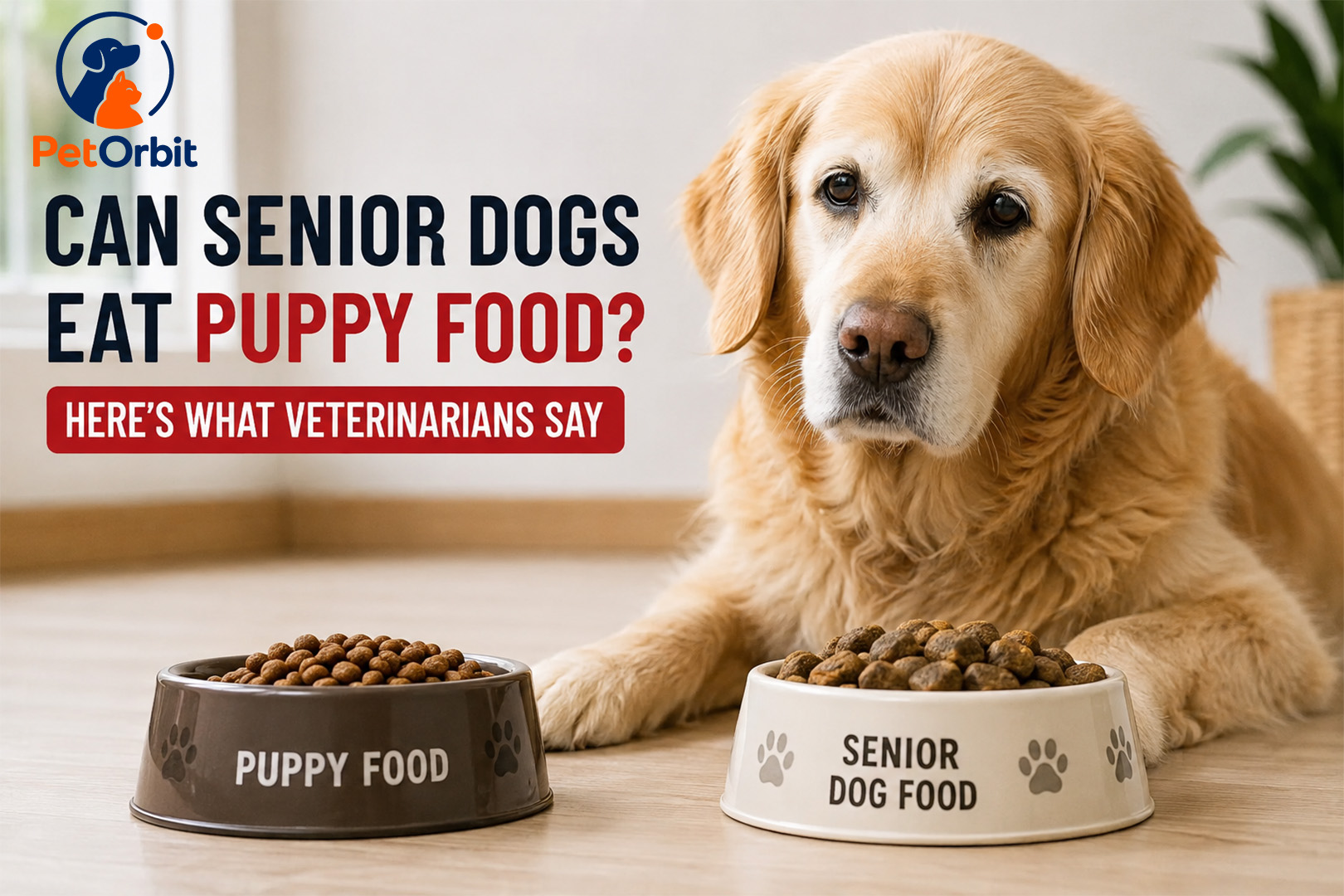
As dogs grow older, their nutritional needs change just as much as their activity levels. That often leads pet owners to ask, “can senior dogs eat puppy food?” The answer isn’t always straightforward. While puppy food is designed to support rapid growth and development, senior dogs have entirely different dietary requirements focused on maintaining muscle, supporting joints, and preventing unnecessary weight gain.
In this guide, you’ll learn whether can senior dogs eat puppy food is a safe question to answer with “yes,” when it might be appropriate, the potential health risks, and what veterinarians generally recommend for keeping older dogs healthy and active.
Why Puppy Food Is Different From Senior Dog Food
Puppy food is specially formulated to fuel growth during the first year of life. It contains higher levels of calories, protein, fat, and essential nutrients like calcium and phosphorus to support developing bones, muscles, and organs.
Senior dog food, on the other hand, is designed for aging bodies. Older dogs often have slower metabolisms, reduced activity, and age-related concerns such as arthritis, dental problems, kidney disease, or digestive sensitivity. Their diets typically emphasize controlled calorie intake, high-quality protein, fiber, omega-3 fatty acids, antioxidants, and nutrients that promote joint and cognitive health.
Because these formulas serve very different purposes, asking can senior dogs eat puppy food requires considering your dog’s age, health status, breed, weight, and veterinary advice rather than giving a simple yes or no.
Can Senior Dogs Eat Puppy Food Safely?
In most cases, healthy senior dogs should not eat puppy food as their regular diet.
Although a small amount of puppy food is unlikely to cause harm, feeding it consistently may provide excessive calories and fat that older dogs simply do not need. This can contribute to obesity, which increases the risk of diabetes, arthritis progression, heart disease, and reduced mobility.
However, there are a few situations where veterinarians may temporarily recommend puppy food, including:
- Recovery from surgery or illness
- Unexplained weight loss
- Poor appetite
- Certain medical conditions requiring additional calories
- Frail senior dogs struggling to maintain body condition
Even in these situations, the recommendation should come from your veterinarian after evaluating your dog’s overall health.
So if you’re wondering can senior dogs eat puppy food, the safest answer is that it may be appropriate temporarily under professional guidance, but it is generally not the ideal long-term choice.
What Happens If a Senior Dog Eats Puppy Food Regularly?
Feeding puppy food every day may create several health concerns for older dogs.
One of the biggest issues is excessive calorie intake. Since puppy formulas are energy-dense, many senior dogs gain weight quickly if portions are not carefully adjusted. Extra body weight places additional stress on aging joints, making arthritis and mobility problems worse.
High fat levels may also upset sensitive digestive systems. Some senior dogs develop vomiting, diarrhea, or pancreatitis, particularly breeds already predisposed to digestive disorders.
Another concern involves mineral balance. Puppies require increased calcium and phosphorus for bone development, but senior dogs generally do not benefit from these elevated levels. Although healthy adult kidneys can usually regulate these minerals, dogs with kidney disease may require carefully controlled mineral intake.
When considering can senior dogs eat puppy food, it’s important to remember that nutritional excess can be just as harmful as nutritional deficiency.
When Veterinarians May Recommend Puppy Food for Older Dogs
Despite the general recommendation against routine feeding, there are situations where veterinarians intentionally use puppy food as part of a treatment plan.
Senior dogs recovering from major surgery often need additional calories to rebuild muscle tissue. Dogs undergoing cancer treatment may lose weight rapidly and benefit from calorie-rich diets. Likewise, older dogs experiencing severe muscle wasting or poor appetite sometimes require nutrient-dense foods that encourage eating.
Veterinarians usually recommend these diets only for short periods while closely monitoring body weight, blood work, and overall condition.
If your aging dog suddenly refuses food or begins losing weight, don’t automatically switch to puppy food. Weight loss may indicate underlying problems such as dental disease, kidney disease, diabetes, heart disease, liver disorders, or cancer that require diagnosis before dietary changes.
Therefore, can senior dogs eat puppy food should always be answered within the context of your dog’s medical history rather than based solely on age.
Better Nutrition Choices for Senior Dogs
Instead of switching to puppy food, most veterinarians recommend selecting a high-quality senior dog food that matches your dog’s breed size, activity level, and health needs.
Look for diets containing:
- High-quality animal protein to maintain lean muscle
- Moderate calorie content for healthy weight management
- Omega-3 fatty acids from fish oil to support joints and brain health
- Glucosamine and chondroitin for joint support
- Antioxidants such as vitamins C and E
- Easily digestible ingredients
- Appropriate fiber levels for digestive health
Fresh water should always be available, especially since older dogs are more susceptible to dehydration.
Routine wellness exams are equally important because nutritional requirements may change with conditions such as kidney disease, liver disease, heart disease, obesity, or diabetes.
Rather than asking only can senior dogs eat puppy food, pet owners should focus on whether their dog’s current diet still meets changing health needs.
Signs Your Senior Dog May Need a Diet Change
Age alone doesn’t determine whether your dog needs a new food. Instead, watch for physical and behavioral changes that may signal changing nutritional requirements.
Common signs include:
- Weight gain or weight loss
- Reduced energy levels
- Difficulty climbing stairs
- Joint stiffness
- Digestive upset
- Poor coat quality
- Increased thirst
- Loss of muscle mass
- Dental problems affecting chewing
If you notice these symptoms, schedule a veterinary examination before changing foods. Blood tests, urine testing, and body condition scoring help determine the most appropriate nutritional plan.
Owners frequently search can senior dogs eat puppy food after noticing weight loss, but addressing the underlying cause is far more important than simply increasing calories.
Practical Feeding Tips for Aging Dogs
Helping a senior dog stay healthy involves more than selecting the right bag of food.
Feed measured portions instead of free-feeding to prevent overeating. Monitor body condition monthly rather than relying only on the number shown on the scale. Moderate daily exercise, including walks and gentle play, helps maintain muscle strength and healthy joints.
If your dog has dental disease, softened kibble or veterinarian-approved canned senior diets may improve comfort during meals.
Avoid making sudden food changes. Transition gradually over seven to ten days by mixing increasing amounts of the new food with the previous diet. This reduces the risk of digestive upset.
Most importantly, discuss any major dietary changes with your veterinarian. Every senior dog ages differently, and individualized recommendations provide the best long-term results.
Conclusion
So, can senior dogs eat puppy food? In most situations, puppy food should not become a senior dog’s regular diet because it contains higher calories, fat, and nutrients intended for growth rather than healthy aging. While veterinarians sometimes recommend puppy food temporarily for underweight or recovering older dogs, those cases are carefully monitored and based on specific medical needs.
The healthiest approach is to choose a balanced senior dog food that supports joint health, muscle maintenance, digestion, and healthy weight. Regular veterinary checkups, portion control, and age-appropriate nutrition will help your senior companion enjoy a longer, healthier, and more comfortable life.
More Pet Guides: For more pet-related guides, tips, and helpful information, visit PetOrbit.blog. Thank you for reading this article!
(FAQs)
Is can senior dogs eat puppy food safe for one meal?
Yes. If your senior dog accidentally eats one meal of puppy food, it usually isn’t a cause for concern. Monitor for digestive upset, but most healthy dogs tolerate a single serving without problems.
Can puppy food help an underweight senior dog?
Sometimes. Veterinarians may recommend puppy food temporarily for underweight senior dogs that need additional calories. However, unexplained weight loss should always be investigated before changing diets.
Why does puppy food contain more calories?
Puppies grow rapidly and require significantly more energy, protein, and fat to support healthy development. Senior dogs typically have lower energy requirements, making calorie-dense puppy food less suitable for daily feeding.
How do I know if my senior dog needs a different food?
Signs include weight changes, decreased energy, digestive issues, joint stiffness, muscle loss, poor coat condition, or new medical diagnoses. A veterinary examination can determine whether a diet adjustment is appropriate.
What is the best food for senior dogs?
The best food depends on your dog’s age, breed, body condition, activity level, and health status. High-quality senior diets with balanced protein, controlled calories, omega-3 fatty acids, and joint-supporting nutrients are suitable for many older dogs.
Can small breeds and large breeds follow the same senior diet?
Not always. Large breeds may benefit from formulas emphasizing joint support, while small breeds often require smaller kibble sizes and calorie adjustments. Choose a diet appropriate for your dog’s breed size and individual health needs.
Should I mix puppy food with senior food?
Routine mixing is generally unnecessary unless specifically recommended by your veterinarian for medical or nutritional reasons. A complete senior diet usually provides everything a healthy older dog needs.
At what age should dogs switch to senior food?
The ideal timing varies by breed. Large and giant breeds often become seniors around six to seven years of age, while small breeds may not need senior diets until around nine to eleven years. Your veterinarian can recommend the best transition based on your dog’s health and lifestyle.

I’m a Pet Niche Expert and Pet Blogger with 12 years of experience in researching and sharing practical, reliable information about pets. Through PetOrbit.blog, I help pet parents and animal lovers better understand their pets and make informed decisions about their care and well-being.
My expertise covers a wide range of pet topics, including pet health, pet food and nutrition, dog and cat breeds, grooming, behavior, training, safety, pet care, travel with pets, and overall pet wellness. I also explore information about different types of pets, their unique needs, characteristics, lifestyles, and responsible ownership.
With more than 12 years of experience in the pet niche, my focus is on creating clear, useful, and easy-to-understand content based on practical knowledge, careful research, and real-world pet care considerations. I believe pet information should be informative without being unnecessarily complicated, so my goal is to make every article helpful for both new and experienced pet owners.
At PetOrbit, my mission is to provide valuable pet guides, breed information, health and nutrition insights, food and care tips, travel advice, and trustworthy resources that help pets live healthier, happier, and more comfortable lives.
PetOrbit.blog — Practical Pet Knowledge for Better Pet Care.