Are are ragdoll cats hypoallergenic? The Honest Answer for Allergy Sufferers
Are are ragdoll cats hypoallergenic

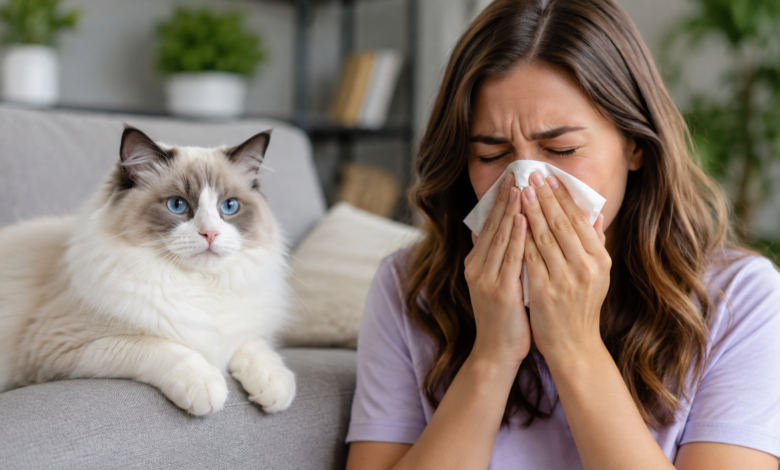
If you love Ragdoll cats but worry about allergies, you may wonder, are ragdoll cats hypoallergenic? The short answer is no. Ragdolls are not considered a hypoallergenic breed. However, their relatively low-shedding coat may make them more manageable for some people than cats that shed heavily. The important distinction is that cat allergies are usually triggered by proteins rather than fur itself.
This guide explains what causes Ragdoll-related allergies, how much they shed, whether individual cats can affect symptoms, and what you can do if you want to live with a Ragdoll despite mild allergies.
Are are ragdoll cats hypoallergenic? Understanding the science
No. are ragdoll cats hypoallergenic has a clear answer: Ragdolls are not truly hypoallergenic. In fact, no cat breed can be guaranteed to be completely allergy-free. Mayo Clinic notes that so-called hypoallergenic cats may shed less, but no breed is genuinely hypoallergenic.
The main cat allergen is a protein called Fel d 1. It is produced largely in a cat’s salivary and skin glands and can spread onto the coat when the cat grooms itself. Once saliva dries, allergen-containing particles can become airborne or settle on furniture, bedding, clothing, and other surfaces.
That is why choosing a cat with long or short hair does not guarantee fewer allergy symptoms. Fur can carry allergens, but the fur itself is not the primary cause of most cat allergies.
Why are ragdoll cats hypoallergenic is often misunderstood
The confusion comes partly from the Ragdoll’s coat. Ragdolls have a semi-long, silky coat with relatively little woolly undercoat. The Cat Fanciers’ Association says their reduced undercoat can mean less shedding and matting than might be expected from a long-haired breed.
The International Cat Association also describes Ragdolls as having little shedding outside seasonal periods, with more noticeable shedding in spring and fall.
That can create the impression that the breed is hypoallergenic. But reduced shedding is not the same as reduced allergen production.
A Ragdoll still produces Fel d 1, grooms its fur, sheds skin flakes, and leaves allergens around the home. Therefore, someone with a strong cat allergy may still experience sneezing, congestion, itchy eyes, coughing, wheezing, or skin reactions around a Ragdoll.
Do Ragdolls produce less allergen than other cats?
There is no reliable breed-wide guarantee that Ragdolls produce less Fel d 1. Individual cats can vary, and a person’s sensitivity can vary as well. Therefore, one allergy sufferer may tolerate a particular Ragdoll better than another person does.
This is an important point when considering are ragdoll cats hypoallergenic. You should not assume that every Ragdoll will cause the same reaction. Coat length, shedding, grooming behavior, the cat’s individual allergen production, and the amount of time you spend in close contact can all influence exposure.
Some Ragdolls may seem easier to live with because their coat sheds less than that of certain heavily shedding breeds. PetMD, however, specifically states that Ragdolls are not hypoallergenic and notes that their longer fur and seasonal shedding can still contribute to allergen exposure.
If you have known allergies, the safest approach is to spend meaningful time with the individual cat before adoption or purchase rather than relying on the breed label.
Ragdoll shedding, grooming, and allergy control
Ragdolls are not difficult to groom, but their semi-long coat needs regular attention. The Cat Fanciers’ Association recommends combing at least once or twice a week, while TICA recommends weekly brushing or combing and extra attention during shedding seasons.
Regular grooming can help remove loose hair before it accumulates around the home. However, grooming does not eliminate Fel d 1. In fact, brushing can temporarily disturb allergens, so an allergy-sensitive person may prefer to have someone else groom the cat.
If you are asking are ragdoll cats hypoallergenic because you want to minimize allergy exposure, focus on the entire home rather than the cat alone. Useful measures include:
- Keep the bedroom off-limits to the cat, especially if symptoms are strongest at night.
- Vacuum carpets, rugs, and upholstered furniture regularly with a suitable high-efficiency filter.
- Wash bedding and washable pet fabrics frequently.
- Use a HEPA air purifier in rooms where you spend the most time.
- Wash your hands after prolonged petting and avoid touching your eyes immediately afterward.
- Ask another household member to brush the Ragdoll when possible.
- Clean surfaces where loose hair and dander collect.
These steps can lower environmental exposure, but they cannot guarantee that symptoms will disappear.
Can you live with a Ragdoll if you have cat allergies?
Sometimes, but it depends heavily on the severity of the allergy. If your symptoms are mild, reducing allergen exposure may make living with a Ragdoll more manageable. If you have significant respiratory symptoms or asthma triggered by cats, bringing one into your home deserves much more caution.
Before deciding whether are ragdoll cats hypoallergenic matters for your situation, arrange a controlled visit with the specific cat. Spend enough time around it to notice delayed or progressive symptoms rather than making a decision after a few minutes.
Also consider where the cat will sleep, how much contact you expect, and whether other family members can handle grooming and cleaning. A cat that spends every night on your pillow creates a very different exposure level from one kept out of the bedroom.
For persistent or significant symptoms, an allergist can help identify your triggers and discuss appropriate management. Never assume that a breed advertised as “hypoallergenic” is automatically safe.
Are Ragdolls a good choice for allergy sufferers?
Ragdolls can be a reasonable option for some allergy sufferers, but they should not be chosen because they are supposedly allergy-free. Their gentle temperament, sociability, and comparatively manageable coat make them attractive household companions, yet none of those characteristics changes their allergen status.
The breed is known for being affectionate, calm, and moderately active. Its coat is substantial but lacks the dense woolly undercoat seen in some other long-haired cats. This can make grooming and loose-hair management easier, but it does not remove allergen exposure.
If allergies are a major concern, consider the individual cat as the deciding factor. A trial visit, careful home preparation, and professional medical advice are more useful than choosing a breed based on a “hypoallergenic” claim.
Final verdict: Are are ragdoll cats hypoallergenic?
So, are ragdoll cats hypoallergenic? No. Ragdolls are not a hypoallergenic breed, and no cat can be guaranteed to produce no allergens. Their relatively low-shedding coat may make them easier for some people to manage, but they still produce Fel d 1 and can trigger allergic reactions.
The best strategy is to test your reaction to the specific cat, reduce allergen buildup in your home, maintain regular grooming, and speak with a healthcare professional if your symptoms are significant. If you are choosing a Ragdoll, focus on realistic allergy management rather than expecting the breed to be allergen-free.
More Pet Guides: For more pet-related guides, tips, and helpful information, visit PetOrbit.blog. Thank you for reading this article!
(FAQs)
Are are ragdoll cats hypoallergenic compared with other long-haired cats?
No. Ragdolls may shed less than some long-haired breeds because they have relatively little undercoat, but they still produce cat allergens. Lower shedding can reduce the amount of loose hair around the home without making the cat hypoallergenic.
Do Ragdoll cats have Fel d 1?
Yes. Ragdolls are cats, so they produce Fel d 1. This allergen can spread through saliva during grooming and can also become associated with skin flakes and the coat. The amount produced can vary between individual cats.
Can Ragdoll kittens be less allergenic than adult cats?
Not necessarily. A kitten should not be assumed to be hypoallergenic simply because it is young. Allergy exposure can change as the cat grows, and relying on age is not a dependable way to predict long-term tolerance.
Does brushing a Ragdoll reduce allergies?
Brushing can remove loose hair and help control coat debris, but it does not eliminate allergens. Because grooming can disturb allergen-containing material, an allergy sufferer may be better off having someone else brush the cat and cleaning the surrounding area afterward.
Are Ragdolls better for people with mild cat allergies?
They may be manageable for some people, particularly because their coat does not shed as heavily as some long-haired coats. However, individual responses vary, so spending time with the exact cat before bringing it home is much more informative than relying on breed reputation.
What is the best way to reduce Ragdoll allergens at home?
Keep the cat out of the bedroom, clean soft furnishings regularly, vacuum frequently, wash bedding, use a HEPA air purifier, and maintain consistent grooming. Reducing allergen reservoirs throughout the home is more effective than focusing only on visible cat hair.
Should someone with severe cat allergies get a Ragdoll?
A Ragdoll may be a poor choice if cat exposure causes severe respiratory symptoms, asthma attacks, or substantial allergic reactions. In that situation, speak with an allergist before bringing a cat into the household. A “hypoallergenic” breed label should never be treated as a medical guarantee.

I’m a Pet Niche Expert and Pet Blogger with 12 years of experience in researching and sharing practical, reliable information about pets. Through PetOrbit.blog, I help pet parents and animal lovers better understand their pets and make informed decisions about their care and well-being.
My expertise covers a wide range of pet topics, including pet health, pet food and nutrition, dog and cat breeds, grooming, behavior, training, safety, pet care, travel with pets, and overall pet wellness. I also explore information about different types of pets, their unique needs, characteristics, lifestyles, and responsible ownership.
With more than 12 years of experience in the pet niche, my focus is on creating clear, useful, and easy-to-understand content based on practical knowledge, careful research, and real-world pet care considerations. I believe pet information should be informative without being unnecessarily complicated, so my goal is to make every article helpful for both new and experienced pet owners.
At PetOrbit, my mission is to provide valuable pet guides, breed information, health and nutrition insights, food and care tips, travel advice, and trustworthy resources that help pets live healthier, happier, and more comfortable lives.
PetOrbit.blog — Practical Pet Knowledge for Better Pet Care.