english goldendoodle: A Wonderful Guide to This Gentle, Family-Friendly Dog
english goldendoodle

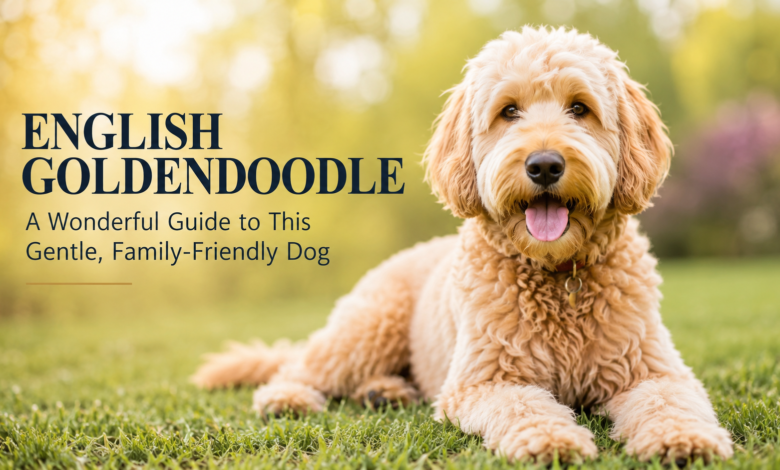
The english goldendoodle has become a favorite among families looking for a friendly companion with a soft expression, affectionate personality, and playful nature. This popular Golden Retriever–Poodle mix is often associated with a lighter coat, substantial build, and calm temperament, although individual dogs can vary considerably.
If you are considering bringing one home, appearance should not be the only deciding factor. This guide explains what this Goldendoodle is, how its temperament fits family life, what grooming and exercise it needs, common health concerns, feeding and training basics, and what to look for when choosing a puppy.
What Is an english goldendoodle?
An english goldendoodle is a Goldendoodle bred from Golden Retriever lines commonly described as English or English-type and a Poodle. “English” generally refers to the Golden Retriever parent’s type or lineage rather than a separate recognized dog breed.
Many English-type Golden Retrievers have a stockier build, broader head, and lighter coat than some American-type Goldens. When combined with a Poodle, puppies may have wavy or curly coats and can range widely in size depending on the Poodle parent.
Because Goldendoodles are mixed-breed dogs, coat texture, shedding, adult size, and temperament are not perfectly predictable. A breeder who promises that every puppy will be completely nonshedding or hypoallergenic is making a claim worth questioning.
Appearance, Size, and Coat
This Goldendoodle often has a teddy-bear appearance, with a broad muzzle, expressive eyes, floppy ears, and a soft, full coat. Some dogs have a straighter coat, while others develop loose waves or tighter curls.
Adult size depends heavily on the Poodle parent. Standard crosses can become large dogs, while smaller Poodle lines may produce medium-sized Goldendoodles. Instead of relying on labels such as “mini” or “medium,” ask for the parents’ adult weights and previous litter information.
Wavy and curly coats can trap loose hair and form mats, especially behind the ears, under the legs, around the collar, and near the tail. Regular brushing is essential. Introduce brushing, nail handling, ear checks, bathing, and grooming equipment gradually while the puppy is young.
English Goldendoodle Temperament and Family Life
A well-socialized Goldendoodle is often affectionate, people-oriented, playful, and eager to participate in family activities. The Golden Retriever side can contribute friendliness and a willingness to please, while the Poodle side may add intelligence, alertness, and mental energy.
“Gentle” does not mean every dog will automatically behave perfectly around children. Young dogs can be excitable, mouthy, and physically exuberant.
Children should be taught how to interact respectfully with dogs, and supervision is important, particularly with puppies and toddlers. With gradual introductions and positive experiences, many Goldendoodles also live successfully with other dogs and household pets.
One potential challenge is attachment to people. A highly social dog may struggle if left alone for long periods without preparation. Teaching calm independence from puppyhood can help prevent attention-seeking and separation-related behaviors.
Training and Exercise Needs
This Goldendoodle is generally intelligent and responsive to reward-based training. Start with simple skills such as name recognition, recall, loose-leash walking, settling on a mat, and polite greetings.
Early socialization is equally important. Safely expose puppies to different people, sounds, surfaces, handling experiences, car rides, and appropriate dogs while building positive associations.
Exercise needs are moderate to high. Combine daily walks with play and mental enrichment. Fetch, scent games, food puzzles, swimming where safe, obedience exercises, and controlled outdoor exploration can all provide useful stimulation.
A dog that is physically tired but mentally frustrated may still become destructive or demanding. Balance movement with training, sniffing, chewing, and rest.
English Goldendoodle Health, Nutrition, and Lifespan
A healthy Goldendoodle can be a long-term companion, but mixed breeding does not eliminate inherited disease. Health risks can come from either parent breed. Potential concerns include hip and elbow problems, eye disorders, skin allergies, ear infections, dental disease, and certain inherited conditions.
Responsible breeding matters. Before purchasing a puppy, ask for documented health screening of both parents rather than accepting vague claims that the parents are “healthy.” Appropriate testing can vary by the specific breeding program and parent breeds.
Routine veterinary care should include preventive examinations, vaccinations based on lifestyle and local recommendations, parasite prevention, dental care, and weight monitoring. Contact a veterinarian promptly for persistent vomiting or diarrhea, breathing difficulty, sudden weakness, significant pain, or other concerning changes.
Base nutrition on the dog’s age, size, activity level, body condition, and individual health needs. Puppies need an appropriate growth diet, while adults should receive measured portions that help maintain a lean body condition.
Grooming, Daily Care, and Common Mistakes
This Goldendoodle can look low-maintenance from a distance, but its coat often requires considerable attention. Brush thoroughly enough to reach the skin, and check areas where friction and moisture encourage matting. Professional grooming can help keep the coat manageable, but it should never replace regular brushing at home.
Keep nails trimmed, inspect ears regularly, and establish a dental-care routine. Dogs with floppy, hairy ears may need particularly careful monitoring for odor, redness, discharge, or discomfort.
Don’t assume a Goldendoodle is automatically hypoallergenic. Allergens come from sources such as dander, saliva, and skin proteins, and no dog can be guaranteed allergen-free.
Other common mistakes include overfeeding, insufficient training, excessive confinement, and buying from a breeder based mainly on coat color or appearance.
How to Choose an english goldendoodle Puppy
Start with the breeder, not the color or “teddy bear” look. A responsible breeder should be transparent about parentage, health testing, veterinary care, socialization, and the conditions in which puppies are raised.
Look for a puppy that is alert, curious, clean, appropriately conditioned, and comfortable being handled. Ask to see health records and relevant screening documentation for the parents.
Adoption is another worthwhile option. Adult Goldendoodles and similar mixes sometimes enter shelters or breed-rescue programs, and an adult dog can make its personality and energy level easier to assess.
Pet insurance may also be worth considering, particularly before any condition is diagnosed.
Conclusion
The english goldendoodle can be an excellent choice for an active, involved household that wants an affectionate and intelligent companion. Its friendly nature, trainability, and appealing appearance are major advantages, but the breed mix also comes with real responsibilities.
Expect regular grooming, daily exercise, ongoing training, careful nutrition, and routine veterinary care. Most importantly, choose health, temperament, responsible breeding, and lifetime care needs over appearance alone.
If you can provide companionship, structure, enrichment, and consistent care, this mix may become a joyful and deeply bonded member of your family.
More Pet Guides: For more pet-related guides, tips, and helpful information, visit PetOrbit.blog. Thank you for reading this article!
(FAQs)
What is an english goldendoodle?
An english goldendoodle is a Goldendoodle produced using a Golden Retriever from English or English-type lines and a Poodle. “English” usually describes the Golden Retriever parent’s type or lineage rather than a separate recognized breed.
Are these dogs good with children?
Many are affectionate and family-oriented, making them suitable for households with children when properly socialized and trained. However, temperament varies, so always supervise young dogs around small children.
Does an english goldendoodle shed?
Yes, it can. Coat type varies from straighter to wavy or curly, and shedding can range from relatively low to noticeable. No Goldendoodle should be assumed to be completely nonshedding.
How often should an english goldendoodle be groomed?
Brush regularly to prevent mats, depending on coat texture and length. Many dogs also benefit from professional grooming every several weeks. Ears, nails, teeth, and skin also need routine attention.
How much exercise does an english goldendoodle need?
Most need daily physical activity plus mental stimulation. Walks, play, training, scent games, retrieving, and appropriate swimming can help meet their needs. Puppies should receive age-appropriate exercise rather than forced endurance activity.
What health problems can an english goldendoodle have?
Possible concerns include hip and elbow disorders, eye disease, allergies, ear infections, dental problems, and inherited conditions found in either parent line. Responsible health screening and regular veterinary care can reduce avoidable risks and support early detection.
How much does this mix cost?
Purchase prices vary widely by location, breeder reputation, parent health testing, lineage, size, and demand. The purchase price is only part of ownership; grooming, food, training, veterinary care, supplies, and emergency expenses can add substantially to lifetime costs.
Is an english goldendoodle hypoallergenic?
No dog is truly hypoallergenic. Some Goldendoodles may shed less and spread fewer allergens than others, but individual reactions vary. Anyone with allergies should spend meaningful time around the specific dog before committing.

I’m a Pet Niche Expert and Pet Blogger with 12 years of experience in researching and sharing practical, reliable information about pets. Through PetOrbit.blog, I help pet parents and animal lovers better understand their pets and make informed decisions about their care and well-being.
My expertise covers a wide range of pet topics, including pet health, pet food and nutrition, dog and cat breeds, grooming, behavior, training, safety, pet care, travel with pets, and overall pet wellness. I also explore information about different types of pets, their unique needs, characteristics, lifestyles, and responsible ownership.
With more than 12 years of experience in the pet niche, my focus is on creating clear, useful, and easy-to-understand content based on practical knowledge, careful research, and real-world pet care considerations. I believe pet information should be informative without being unnecessarily complicated, so my goal is to make every article helpful for both new and experienced pet owners.
At PetOrbit, my mission is to provide valuable pet guides, breed information, health and nutrition insights, food and care tips, travel advice, and trustworthy resources that help pets live healthier, happier, and more comfortable lives.
PetOrbit.blog — Practical Pet Knowledge for Better Pet Care.