Fluffy French Bulldog Puppy – The Adorable Guide to Care, Health & Happiness
Fluffy French Bulldog Puppy

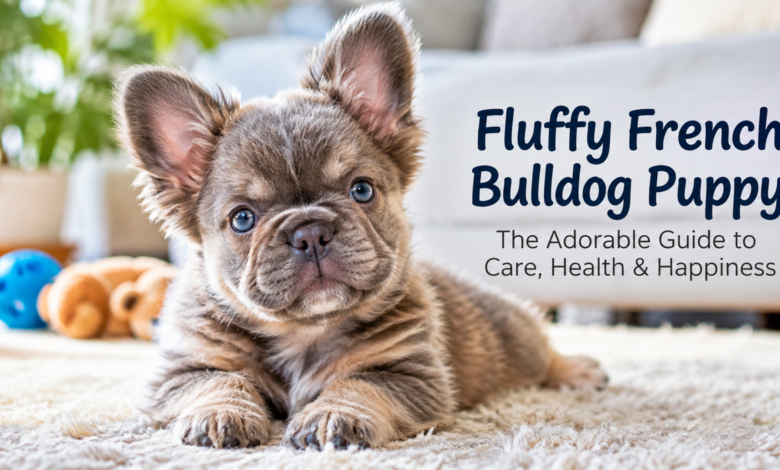
A fluffy French Bulldog puppy combines the compact Frenchie body, bat ears, expressive face, and playful personality with a noticeably longer, softer coat. That unusual coat attracts many owners, but appearance should never be the only consideration. This guide explains the fluffy coat, daily care, feeding, training, exercise, health risks, and what to look for when choosing a puppy.
What Is a fluffy French Bulldog puppy?
The fluffy coat is a genetic variation that produces longer hair than the typical French Bulldog coat. The American Kennel Club identifies the L locus as the long-hair/fluffy trait and links it to variants in the FGF5 gene. Long hair is generally recessive, so the appropriate genetic combination must be inherited for the trait to appear.
The dog can still look unmistakably French Bulldog, with a compact body, short muzzle, large ears, and a friendly expression. Coat length and texture can vary, so some dogs look mildly fuzzy while others have a fuller, plush appearance.
“Fluffy” describes coat type, not health or quality. A responsible breeder should prioritize sound structure, breathing, temperament, and health testing instead of selecting puppies mainly for rare appearance.
Appearance, Personality, and Temperament of a fluffy French Bulldog puppy
French Bulldogs are small, muscular companion dogs known for their affectionate and social nature. Adults typically weigh under 28 pounds and stand about 11–13 inches tall, with a commonly cited lifespan of around 10–12 years.
A fluffy French Bulldog puppy can be cuddly, people-oriented, and suited to indoor family life. Frenchies usually do better with short walks, gentle games, scent activities, and training than with endurance exercise.
Early socialization is important. Gradually introduce the puppy to friendly people, suitable dogs, household sounds, grooming, handling, and safe new environments. Positive exposure helps build confidence without overwhelming a young dog.
Grooming and Daily Care
The longer coat of a fluffy French Bulldog puppy needs more attention than the standard short Frenchie coat. Regular brushing helps remove loose hair and prevent tangles. Start while the puppy is young and reward calm behavior so grooming becomes routine.
Facial folds and other skin areas also need attention. Moisture and debris can contribute to irritation, so keep folds clean and dry. Check the ears, nails, paws, and skin regularly.
A fluffy French Bulldog puppy usually does not need frequent bathing unless it gets dirty or a veterinarian recommends a specific routine. Use dog-safe products and dry the coat thoroughly. Pay particular attention to areas where mats may form, including behind the ears, under the legs, around the collar, and near the tail.
Feeding and Exercise Needs
A growing puppy needs a complete and balanced diet suited to its life stage. Portion sizes should reflect the food’s calorie density, age, activity, and body condition rather than a generic online chart.
French Bulldogs can gain excess weight, and extra body fat can make breathing and heat management more difficult. Keeping a lean, healthy body condition is therefore an important part of preventive care.
Provide fresh water at all times. Treats can support training but should remain a small part of the diet. Persistent digestive problems, poor growth, food reactions, or unusual appetite should be discussed with a veterinarian.
Exercise should be gentle and age appropriate. Puppies generally do best with short play sessions and walks that allow them to set the pace. Long runs and strenuous exercise are unsuitable for growing puppies, while brachycephalic dogs require extra care with exercise intensity.
Health Risks Every Owner Should Understand
The biggest health consideration is the French Bulldog’s body structure rather than its coat. As a brachycephalic breed, Frenchies may have restricted airways and reduced tolerance for heat and strenuous activity. Severe breathing difficulty, collapse, abnormal gum color, or signs of heatstroke require urgent veterinary attention.
A fluffy French Bulldog puppy should be kept in a cool, well-ventilated environment, especially in hot or humid weather. Never leave a Frenchie in a parked car. Avoid intense activity during heat and provide water.
The breed can also experience spinal and orthopedic problems, including intervertebral disc disease, vertebral abnormalities, hip problems, and patellar luxation. Eye and cardiac concerns can occur as well. The French Bulldog Club of America lists patella, hip, cardiac, and ophthalmic evaluations among important breeding-stock assessments.
Routine veterinary care should cover vaccinations, parasite prevention, dental care, weight monitoring, and physical examinations. Your veterinarian can tailor vaccination and deworming schedules to age, lifestyle, local disease risks, and medical history.
Training, Home Life, and Choosing a Responsible Breeder
Training works best when sessions are short, positive, and consistent. Reward behaviors such as responding to a name, coming when called, settling calmly, walking politely, and using the correct toilet area. Crate training can support house-training and provide a safe resting space.
Frenchies can live successfully with children and other pets when introductions are controlled. Children should be supervised with puppies because young dogs can nip, jump, or become overstimulated.
If you are buying a fluffy French Bulldog puppy, request veterinary records, vaccination and parasite-prevention details, pedigree information, and evidence of appropriate health testing for the parents. The breed club encourages prospective owners to review health-testing results and breeder information.
Be cautious when a seller focuses heavily on rare colors, exaggerated features, or “exclusive” fluffy claims while avoiding questions about breathing, orthopedic health, eyes, heart, or temperament. A rare appearance is never a substitute for responsible breeding.
Is a fluffy French Bulldog puppy Right for Your Family?
The appeal is obvious: a fluffy French Bulldog puppy can be affectionate, entertaining, compact, and visually distinctive. For the right household, that combination can make a rewarding companion.
However, owners need realistic expectations. This is not a breed for long-distance running, intense outdoor activity, or careless exposure to hot weather. The longer coat can also require more grooming than a standard Frenchie.
The best home can provide companionship, moderate exercise, training, veterinary care, grooming, and careful temperature control. If those needs fit your lifestyle, a fluffy Frenchie can be a wonderful family dog.
Conclusion
A fluffy French Bulldog puppy is more than an unusual-looking Frenchie. Its longer coat comes from genetics, while its core care requirements are shaped mainly by the breed’s compact, brachycephalic structure. Balanced nutrition, gentle exercise, early socialization, grooming, preventive veterinary care, and strict heat safety are essential.
When choosing one, look beyond coat color and appearance. Prioritize health, temperament, responsible breeding, and long-term welfare. With appropriate care, a fluffy Frenchie can provide years of companionship while remaining a manageable indoor family dog.
More Pet Guides: For more pet-related guides, tips, and helpful information, visit PetOrbit.blog. Thank you for reading this article!
(FAQs)
What makes a fluffy French Bulldog puppy fluffy?
The longer coat is associated with genetic variants involving the FGF5 gene and L locus. The inherited combination allows the long-coat trait to be expressed. It changes coat length, but it does not automatically indicate better health or temperament.
Is a fluffy French Bulldog puppy a purebred French Bulldog?
Coat length alone cannot prove a dog’s ancestry. Buyers should request pedigree documentation and health records rather than judging lineage from appearance. A responsible seller should be transparent about parentage and breeding practices.
How often should I groom a fluffy Frenchie?
Brush regularly to reduce loose hair and prevent tangles, with extra attention to the ears, legs, collar area, and tail. Check facial folds, ears, nails, paws, and skin frequently. The routine depends on coat length and texture.
Can a fluffy Frenchie live in a hot climate?
Extra caution is essential because French Bulldogs are brachycephalic and can overheat more easily than many longer-nosed breeds. Keep the dog cool, avoid strenuous activity in heat or humidity, provide water, and never leave it in a parked vehicle.
What should I feed a fluffy Frenchie puppy?
Choose a complete and balanced puppy food appropriate for its growth stage. Measure portions and monitor body condition rather than allowing unlimited food. A veterinarian can recommend an appropriate diet and adjust portions as the puppy develops.
Are fluffy French Bulldogs easy to train?
They can learn basic manners well with reward-based, consistent training. Keep sessions short and engaging. Early socialization and crate training can also make house-training and everyday routines easier.
What health tests should I ask a breeder about?
Ask for evidence of relevant evaluations for the parents, including patella, hip, cardiac, and ophthalmic assessments. Depending on the breeding program, additional testing may be appropriate. Testing cannot guarantee a problem-free puppy, but it provides useful information for responsible breeding decisions.
How long can a fluffy Frenchie live?
French Bulldog lifespan estimates commonly fall around 10–12 years, although individual longevity varies with genetics, health, body condition, preventive care, and environment. Responsible breeding and appropriate veterinary care can support better long-term welfare.

I’m a Pet Niche Expert and Pet Blogger with 12 years of experience in researching and sharing practical, reliable information about pets. Through PetOrbit.blog, I help pet parents and animal lovers better understand their pets and make informed decisions about their care and well-being.
My expertise covers a wide range of pet topics, including pet health, pet food and nutrition, dog and cat breeds, grooming, behavior, training, safety, pet care, travel with pets, and overall pet wellness. I also explore information about different types of pets, their unique needs, characteristics, lifestyles, and responsible ownership.
With more than 12 years of experience in the pet niche, my focus is on creating clear, useful, and easy-to-understand content based on practical knowledge, careful research, and real-world pet care considerations. I believe pet information should be informative without being unnecessarily complicated, so my goal is to make every article helpful for both new and experienced pet owners.
At PetOrbit, my mission is to provide valuable pet guides, breed information, health and nutrition insights, food and care tips, travel advice, and trustworthy resources that help pets live healthier, happier, and more comfortable lives.
PetOrbit.blog — Practical Pet Knowledge for Better Pet Care.