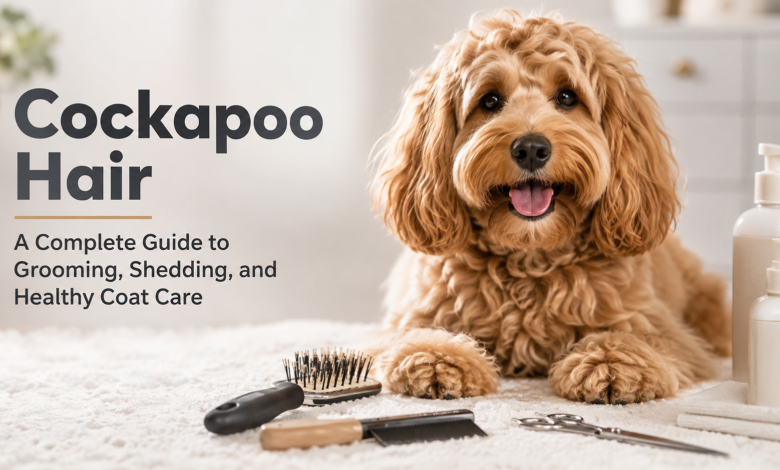
Cockapoos are known for their soft, fluffy coats, but cockapoo hair can vary considerably from one dog to another. Some have loose, wavy fur, while others develop tighter curls that need more frequent grooming. Because the Cockapoo is a Cocker Spaniel and Poodle mix, there is no single coat type or predictable shedding pattern.
Understanding cockapoo hair makes everyday care much easier. The right brushing routine, bathing schedule, haircut, and grooming tools can help prevent painful mats and keep the coat comfortable. This guide explains what Cockapoo owners should know about coat types, shedding, grooming, trimming, puppy coats, and common hair-care mistakes.
What Makes Cockapoo Hair Different?
The Cockapoo’s coat is influenced by genetics inherited from both parent breeds. A puppy may have a coat that resembles a Cocker Spaniel, a Poodle, or something between the two. This is why two Cockapoos from the same litter can eventually have noticeably different coats.
The texture may be curly, wavy, or relatively straight. Some dogs have a soft, loose coat, while others develop dense curls that trap loose hairs and debris close to the skin. Coat density also varies from dog to dog.
Color can vary as well, including shades such as cream, apricot, red, black, brown, white, and combinations of these colors. A puppy’s coat can also change in texture or shade as it matures.
The key point is that you shouldn’t judge cockapoo hair only by appearance. A beautiful fluffy coat still needs regular maintenance to remain clean, tangle-free, and comfortable.
Does Cockapoo Hair Shed a Lot?
Cockapoos are often described as low-shedding dogs, but that does not mean they are completely non-shedding. Their shedding level depends largely on the coat they inherit.
Dogs with a curlier Poodle-like coat may appear to shed very little because loose hairs become trapped within the curls. Those hairs still need to be removed through brushing and grooming. Wavier or straighter coats may release loose hair more visibly around the home.
This is one reason people sometimes assume that Cockapoos do not shed. The loose fur may remain within the coat instead of falling immediately onto furniture or floors.
However, low shedding does not automatically mean low maintenance. In fact, a dense, curly coat can mat quickly if it isn’t brushed regularly.
Owners should also avoid assuming that a Cockapoo will be completely allergy-free. No dog is truly hypoallergenic, and reactions can involve dander, saliva, and other allergens, not just hair.
How to Brush Cockapoo Hair Correctly
Regular brushing is one of the most important parts of Cockapoo grooming. It removes loose fur, dirt, and small tangles before they develop into tight mats.
For many Cockapoos, brushing several times a week is a practical starting point. Dogs with dense curls or longer coats may need more frequent attention, particularly around the ears, legs, armpits, chest, collar area, and tail.
A slicker brush and a suitable metal comb are commonly useful for maintaining a Cockapoo coat. However, brushing should reach through the coat, not just smooth the surface.
A helpful routine is:
- Start gently at the legs or another comfortable area.
- Work through small sections instead of rushing through the entire coat.
- Use the brush to loosen tangles carefully.
- Follow with a comb to check whether the hair is actually free of knots.
- Pay extra attention to areas where friction causes tangling.
- Reward calm behavior so grooming becomes a positive routine.
Never pull aggressively on a stubborn mat. Severe matting can be painful because it may pull on the skin. If the coat is heavily matted, professional grooming is usually safer than attempting to cut the mats out at home.
Grooming and Haircuts for Cockapoo Hair
Cockapoos generally benefit from regular professional grooming, especially when they have a thick or curly coat. The ideal haircut depends on coat texture, lifestyle, climate, and how much daily maintenance the owner can realistically provide.
A shorter trim can make brushing easier and reduce tangles. A longer style can look fluffy and attractive but usually requires more frequent brushing.
Common grooming areas include the body, face, feet, ears, sanitary area, and tail. Keep the hair around the eyes tidy so it doesn’t interfere with vision or cause irritation.
The ears deserve particular attention because Cockapoos can inherit the long, floppy ears associated with their Cocker Spaniel parent. Hair around the ears can trap moisture and tangle, so owners should keep the area clean and discuss appropriate ear care with their veterinarian or groomer.
Avoid shaving a Cockapoo extremely short simply because the coat is difficult to manage. A professional groomer can recommend a practical length that balances appearance, comfort, and maintenance.
Bathing, Drying, and Daily Coat Care
Bathing helps keep cockapoo hair clean, but more bathing is not always better. Excessive washing can interfere with the skin’s natural oils and may contribute to dryness or irritation.
Use a dog-specific shampoo rather than human shampoo. Choose products suited to your dog’s skin and coat, especially if your Cockapoo has a history of sensitivity.
Before bathing, gently remove manageable tangles. Mats can tighten when they get wet, making them harder to deal with.
After shampooing, rinse thoroughly because leftover product can irritate the skin. Dry the coat carefully, rather than letting a thick, curly coat stay damp for too long.
Brushing while the coat dries can help prevent curls from drying into tangled clumps, but the technique should be gentle and appropriate for the dog’s comfort.
Between baths, wipe away dirt as needed and check the coat regularly for debris, knots, burrs, or skin changes.
Common Cockapoo Hair Problems and Mistakes
The biggest coat-care problem is matting. Mats commonly develop when loose hair combines with moisture, friction, dirt, and inadequate brushing. Once a mat becomes tight, brushing it out can be uncomfortable.
Another common mistake is brushing only the visible top layer. A Cockapoo can look fluffy on the outside while serious tangles are developing underneath.
Other avoidable problems include using unsuitable grooming products, cutting mats too close to the skin, bathing without thoroughly drying the coat, and waiting too long between professional grooming appointments.
Watch for persistent scratching, redness, unpleasant odor, excessive licking, hair loss, sores, or sudden changes in coat quality. These signs can sometimes indicate a skin, parasite, allergy, or other health problem rather than a simple grooming issue. A veterinarian should evaluate persistent or concerning symptoms.
Puppies also need a gradual introduction to grooming. Early handling of the paws, ears, face, brush, and bathing process can make future grooming sessions much easier.
A Simple Cockapoo Hair Care Routine
A consistent routine is more useful than occasional intensive grooming. Adjust the schedule based on coat type and length.
For many owners, a practical routine includes checking the coat daily and brushing more thoroughly several times each week. Longer or curlier coats may require daily brushing to prevent mats.
Also include nails, ears, teeth, eyes, and paw hair in the overall grooming routine. Grooming isn’t only about appearance; it also gives you a chance to notice changes in your dog’s skin, paws, ears, and body.
Professional grooming may be needed every few weeks, although the right interval varies by dog. A Cockapoo that stays in a shorter trim may require a different schedule from one kept in a long, fluffy style.
The best routine is the one that keeps the coat manageable without stressing the dog.
Conclusion: Keeping Cockapoo Hair Healthy and Manageable
Good cockapoo hair care comes down to consistency. Cockapoos can have curly, wavy, or straighter coats, and each type has different maintenance needs. While many Cockapoos shed relatively little, they can still develop serious mats if you don’t regularly remove loose hair.
Regular brushing, sensible bathing, thorough drying, appropriate trimming, and professional grooming when necessary can keep the coat comfortable and attractive. Owners should also watch the skin beneath the fur and seek veterinary advice if unusual itching, redness, odor, hair loss, or other changes appear.
With the right routine, cockapoo hair does not have to be difficult to manage. The goal isn’t just a fluffy appearance, but a clean, comfortable coat and a positive grooming experience for your dog.
More Pet Guides: For more pet-related guides, tips, and helpful information, visit PetOrbit.blog. Thank you for reading this article!
(FAQs)
What type of cockapoo hair do Cockapoos have?
Cockapoos can have curly, wavy, or relatively straight coats. Their coat type depends on the traits they inherit from their Cocker Spaniel and Poodle parents. Even puppies from the same litter can develop different textures as they mature.
Does cockapoo hair shed?
Yes, Cockapoos can shed, although many shed less visibly than some other breeds. Dogs with curly coats may retain loose hairs within the coat, which is why regular brushing remains important even when little fur is seen around the house.
How often should I brush cockapoo hair?
Many Cockapoos benefit from brushing several times per week, while dogs with dense, curly, or longer coats may need daily brushing. The main goal is to prevent tangles from developing into tight mats.
How often should a Cockapoo get a haircut?
The ideal grooming interval depends on coat length, texture, and lifestyle. Many Cockapoos need professional grooming every several weeks, particularly when owners want to maintain a longer coat. A groomer can recommend an appropriate schedule based on the individual dog.
Why does cockapoo hair get matted so easily?
Curly or dense coats can trap loose hair, moisture, dirt, and debris. Friction around the ears, legs, armpits, collar, and other areas can worsen tangling. Infrequent brushing allows small knots to combine into larger mats.
Can I shave my Cockapoo’s hair short?
A professional groomer can safely create a shorter, manageable trim when appropriate. However, owners should not automatically shave a Cockapoo extremely short because of difficult tangles. Consider the dog’s coat, skin condition, climate, and grooming needs.
Is cockapoo hair hypoallergenic?
No dog is completely hypoallergenic. Cockapoos may produce fewer visible loose hairs than some breeds, but people can still react to dander, saliva, and other allergens. Individual reactions vary, so spending time around a Cockapoo before adoption can help allergy-sensitive households.
What is the best way to keep cockapoo hair healthy?
Regular brushing, appropriate bathing, thorough drying, professional trimming, and routine skin checks are the foundation of good coat care. A balanced diet and general veterinary care also support healthy skin and hair. If the coat suddenly becomes dull, thin, greasy, or unusually itchy, veterinary evaluation is appropriate.

I’m a Pet Niche Expert and Pet Blogger with 12 years of experience in researching and sharing practical, reliable information about pets. Through PetOrbit.blog, I help pet parents and animal lovers better understand their pets and make informed decisions about their care and well-being.
My expertise covers a wide range of pet topics, including pet health, pet food and nutrition, dog and cat breeds, grooming, behavior, training, safety, pet care, travel with pets, and overall pet wellness. I also explore information about different types of pets, their unique needs, characteristics, lifestyles, and responsible ownership.
With more than 12 years of experience in the pet niche, my focus is on creating clear, useful, and easy-to-understand content based on practical knowledge, careful research, and real-world pet care considerations. I believe pet information should be informative without being unnecessarily complicated, so my goal is to make every article helpful for both new and experienced pet owners.
At PetOrbit, my mission is to provide valuable pet guides, breed information, health and nutrition insights, food and care tips, travel advice, and trustworthy resources that help pets live healthier, happier, and more comfortable lives.
PetOrbit.blog — Practical Pet Knowledge for Better Pet Care.