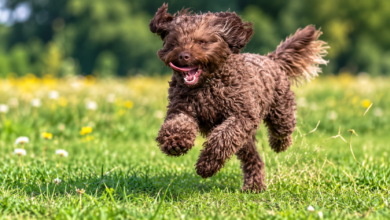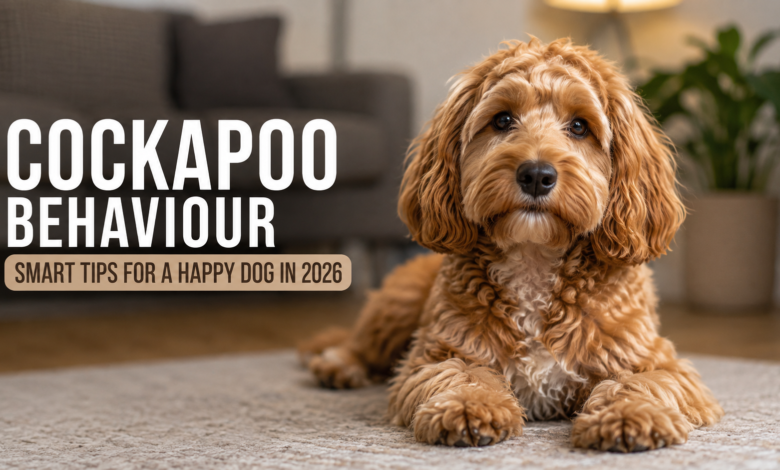
A Cockapoo can be affectionate, clever, playful, and surprisingly sensitive. This popular Poodle–Cocker Spaniel cross often wants to stay close to its family, learn new things, and take part in everyday activities. However, friendly does not mean effortless. This breed may also become overexcited, vocal, bored, or uncomfortable when left alone if its physical and mental needs are overlooked.
Understanding the reason behind a behavior is more useful than simply trying to stop it. In this guide, you’ll learn what typical behavior for the breed looks like, why some dogs become clingy or anxious, how much stimulation they need, and which training approaches usually work best.
Cockapoo Temperament and Personality
The typical Cockapoo is social, people-oriented, intelligent, and eager to interact. Because it combines traits from two very different parent breeds, individual personalities can vary. One dog may be relaxed and cuddly, while another may be highly energetic and constantly looking for something to do.
Most are happiest when they can participate in family life, whether that means playing, learning tricks, or settling nearby. This strong social nature can be a major advantage for families, but it can also create problems when a dog has never learned to be comfortable independently.
A dog of this type is generally not expected to be aggressive by nature. Still, fear, pain, poor socialization, frustration, resource guarding, or previous negative experiences can produce defensive behavior in any dog. Temperament should therefore be assessed as an individual trait rather than assumed from breed labels.
Why Cockapoo Behaviour Can Be So Variable
There is no single personality blueprint for this cross. Genetics, early experiences, training, socialization, age, health, environment, and the characteristics inherited from each parent can all influence behavior.
Early socialization is especially important. During puppyhood, controlled exposure to different people, friendly dogs, surfaces, household sounds, car rides, grooming, handling, and new environments can help build confidence. The goal is not to overwhelm a puppy with experiences. Instead, introduce new situations gradually and pair them with food, play, or calm praise.
Exercise and Mental Stimulation Needs
This breed may be small or medium-sized, but that does not mean it can be satisfied with a quick bathroom break. Exercise requirements differ between individuals, yet most benefit from daily walks, active play, and opportunities to use their brains.
Physical activity can include walks, fetch, swimming where safe, and age-appropriate games. Mental enrichment can include puzzle feeders, scent games, trick training, and short obedience sessions.
If this breed repeatedly steals objects, barks for attention, races around the house, digs, or struggles to settle, boredom may be contributing. However, excessive activity should not automatically be treated as a need for more exercise. Some dogs become overtired or overstimulated when their day is packed with constant activity.
A balanced routine is usually better: exercise, training, play, rest, and quiet time should all have a place.
Training a Cockapoo for Better Behaviour
The intelligence and food motivation of many Cockapoos can make training enjoyable. Positive reinforcement is usually the most practical approach. Reward behaviors you want to see with small treats, praise, toys, or access to something the dog values.
Start with everyday skills such as name recognition, recall, loose-leash walking, sit, stay, leave it, drop it, and settling on a mat. Keep sessions short and repeat them frequently rather than turning training into a long, frustrating lesson.
Consistency matters. If jumping is sometimes rewarded with attention and sometimes discouraged, the dog receives mixed information. Everyone in the household should follow the same basic rules.
Avoid harsh physical corrections or intimidation. These methods can increase fear and may damage trust without teaching the dog what to do instead. If a behavior is difficult, identify the trigger, manage the environment, teach an alternative response, and reward improvement.
Separation Anxiety, Clinginess, and Barking
Because this breed often forms strong bonds with people, some individuals struggle with being alone. Clinginess is not automatically separation anxiety. A dog that follows you around but relaxes when you leave is different from one that panics when separated.
Possible signs of genuine separation-related distress include repeated barking or howling, destructive behavior focused around exits, pacing, heavy panting, drooling, house-soiling, or frantic escape attempts when left alone. A sudden behavior change should also prompt a veterinary check because pain or illness can affect behavior.
To encourage independence, teach your dog that calm time away from you is safe. Start with very short separations that remain below the point where anxiety appears. Provide a comfortable resting area and an appropriate enrichment activity. Keep departures and returns calm rather than turning them into dramatic events.
Do not punish destruction or accidents after returning home. The dog cannot connect a delayed punishment with the earlier behavior, and punishment may increase anxiety. For persistent separation problems, a veterinarian or qualified canine behavior professional can help create an individualized plan.
Common Behaviour Problems and What They Mean
Many unwanted behaviors are attempts to meet a need, communicate discomfort, or respond to a trigger. The most useful question is often, “What happens immediately before this behavior?”
Jumping may occur because the dog has learned that it produces attention. Barking may be triggered by excitement, fear, territorial reactions, frustration, or a request for interaction. Chewing can reflect normal exploration, teething, boredom, or anxiety. Pulling on the leash may simply be a learned habit combined with an exciting environment.
A practical behavior plan prevents rehearsal of the unwanted behavior, teaches a replacement, and rewards that replacement consistently.
Watch for warning signs that need professional attention, including sudden aggression, repeated snapping, severe fear, compulsive behavior, unexplained restlessness, or a dramatic change in an adult dog’s personality. Veterinary assessment is particularly important when behavior changes suddenly.
Creating a Calm, Well-Adjusted Cockapoo
The best behavior program is not built around obedience alone. A well-adjusted dog needs predictable routines, sufficient sleep, appropriate exercise, social interaction, training, grooming and handling practice, and opportunities to make safe choices.
Families should also teach children how to interact respectfully with dogs. Children should not climb on, chase, corner, disturb, or take food from a dog. Even a gentle dog needs supervision around young children, especially when eating, sleeping, or chewing a valued item.
Living with other pets can work well when introductions are gradual and interactions are supervised. Give each animal safe spaces and separate resources when necessary.
Conclusion
Good Cockapoo behaviour is built through understanding, consistency, enrichment, and patient training. This breed can be bright, affectionate, and responsive, but its social nature and intelligence also mean it needs interaction and opportunities to learn.
If your dog develops barking, chewing, jumping, clinginess, or difficulty settling, look for the underlying cause instead of treating the behavior as simple stubbornness. With early socialization, positive reinforcement, a balanced daily routine, and veterinary support when needed, this breed can become a confident and enjoyable companion throughout its life.
More Pet Guides: For more pet-related guides, tips, and helpful information, visit PetOrbit.blog. Thank you for reading this article!
(FAQs)
What is normal Cockapoo behaviour?
Normal behavior can include being friendly, playful, curious, affectionate, and eager to interact with people. Individual dogs vary, so some are calmer while others are more energetic. Daily behavior should be judged in context, including age, health, environment, exercise, and previous training.
Are Cockapoos clingy?
Some are naturally very people-oriented and may follow family members around the home. Clinginess becomes more concerning when a dog cannot relax without its owner or shows significant distress during separation. Teaching independent settling from an early age can help prevent excessive dependence.
Are Cockapoos easy to train?
Many are responsive to training because they are intelligent and often motivated by food, praise, play, or attention. However, intelligence does not guarantee perfect obedience. Short sessions, clear rules, positive reinforcement, and regular practice are more effective than relying on the breed’s reputation for being smart.
Why does my Cockapoo bark so much?
Barking can have several causes, including excitement, alerting, frustration, fear, boredom, attention-seeking, or separation distress. Identify when and where the barking occurs before choosing a solution. Rewarding quiet behavior and reducing the trigger can be more effective than repeatedly telling the dog to stop.
How much exercise does a Cockapoo need?
There is no single daily amount that suits every dog. Most benefit from regular walks, play, and mental stimulation, with the exact routine adjusted for age, health, size, fitness, and temperament. Puppies and senior dogs need particularly careful, age-appropriate exercise.
Can a Cockapoo live in an apartment?
Yes, provided its physical and mental needs are met. Apartment living is less about having a large yard and more about providing regular outdoor activity, enrichment, training, and opportunities to toilet and explore. A bored dog can develop problems regardless of home size.
How do I stop my Cockapoo from jumping on people?
Teach an alternative greeting such as sitting or keeping four paws on the floor. Ask visitors to give attention only when the dog is calm. Consistency is essential because even occasional attention for jumping can reinforce the behavior.
When should I seek professional help for Cockapoo behaviour?
Seek veterinary or qualified behavior support for sudden personality changes, aggression, severe fear, repeated destructive behavior when alone, compulsive actions, or behavior that creates a safety risk. Professional help is especially important when training efforts are not improving the problem or when pain or illness could be involved.

I’m a Pet Niche Expert and Pet Blogger with 12 years of experience in researching and sharing practical, reliable information about pets. Through PetOrbit.blog, I help pet parents and animal lovers better understand their pets and make informed decisions about their care and well-being.
My expertise covers a wide range of pet topics, including pet health, pet food and nutrition, dog and cat breeds, grooming, behavior, training, safety, pet care, travel with pets, and overall pet wellness. I also explore information about different types of pets, their unique needs, characteristics, lifestyles, and responsible ownership.
With more than 12 years of experience in the pet niche, my focus is on creating clear, useful, and easy-to-understand content based on practical knowledge, careful research, and real-world pet care considerations. I believe pet information should be informative without being unnecessarily complicated, so my goal is to make every article helpful for both new and experienced pet owners.
At PetOrbit, my mission is to provide valuable pet guides, breed information, health and nutrition insights, food and care tips, travel advice, and trustworthy resources that help pets live healthier, happier, and more comfortable lives.
PetOrbit.blog — Practical Pet Knowledge for Better Pet Care.