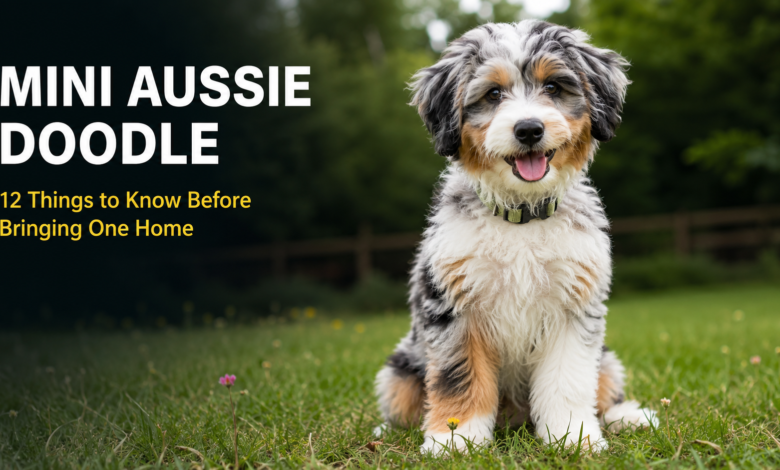
If you are considering a mini Aussie doodle, you may be attracted to the combination of an Australian Shepherd’s intelligence and a Miniature or Toy Poodle’s affectionate, people-focused personality. These dogs can be bright, playful, athletic, and highly trainable. However, their smaller size does not automatically make them low-maintenance.
A mini Aussie doodle can inherit herding instincts, a busy mind, and a coat that requires regular care. Before bringing one home, it is important to understand the dog behind the adorable appearance. Here are 12 practical things to know about temperament, exercise, training, grooming, health, feeding, family life, and responsible buying.
What Is a Mini Aussie Doodle?
A mini aussie doodle is a cross between an Australian Shepherd and a Miniature or Toy Poodle. Because it is a mixed breed rather than a breed with one universally accepted standard, adult size, coat texture, color, and temperament can vary considerably.
Many have wavy or curly coats and a compact build. Some shed lightly, while others shed more than expected. No doodle mix is guaranteed to be hypoallergenic, so allergy sufferers should spend time with the individual dog before committing.
Responsible breeders should be transparent about the parent dogs, health screening, expected adult size, vaccination and deworming records, and early socialization. Avoid selecting a puppy solely for coat color, unusual markings, or an extremely small size.
1. Expect a Smart and Active Dog
The first major surprise for many owners is how much mental and physical stimulation this mix can need. Australian Shepherds were developed as working herding dogs, while Poodles are intelligent and athletic. A mini Aussie doodle may therefore become bored when left without meaningful activities.
Daily walks are important, but they are only part of the picture. Short training sessions, scent games, food puzzles, retrieving, and supervised play can provide valuable enrichment. A dog with appropriate outlets for its energy is generally easier to manage than one expected to entertain itself.
2. Temperament Depends on Genetics and Socialization
Most mini Aussie doodle dogs are affectionate and people-oriented, but no personality formula is guaranteed. Some are confident with strangers, while others are more reserved. Herding behavior may look like chasing, circling, staring, or trying to control moving children or pets.
Early positive socialization is therefore essential. Gradually introduce puppies to friendly people, calm dogs, household sounds, different surfaces, car rides, grooming, and routine handling. The goal is to build confidence without overwhelming the puppy.
3. Start Training Early
Intelligence means your puppy can learn quickly—both desirable behaviors and unwanted habits. Begin basic training once your puppy has settled into the home. Focus on name recognition, recall, loose-leash walking, calm greetings, handling, and commands such as “leave it.”
Positive reinforcement is a practical training method. Reward behaviors you want to encourage and keep sessions short enough to maintain attention. Consistency among family members also matters.
A mini Aussie doodle may excel at obedience, agility, trick training, and activities that combine movement with problem-solving. Mental work can be especially useful when outdoor exercise is limited.
4. Grooming Is a Regular Commitment
Do not assume a Poodle-type coat means no maintenance. Depending on coat texture and length, a mini aussie doodle may need brushing several times a week or even daily brushing when the hair is long and prone to tangling.
Mats commonly develop around the ears, armpits, collar, and legs. Professional grooming may be necessary every several weeks, depending on the coat and preferred haircut.
Introduce brushing, nail trimming, ear checks, and bathing gradually during puppyhood. A shorter haircut can make maintenance easier, but it does not eliminate the need for regular grooming.
5. Health Screening Matters
Mixed-breed dogs can still inherit genetic conditions associated with either parent breed. Potential concerns include hip dysplasia, eye disorders, patellar problems, allergies, dental disease, and other inherited conditions.
Australian Shepherd ancestry also makes it worth asking breeders about relevant genetic testing, including MDR1 drug sensitivity and eye-related screening. Actual risks vary by the individual parents.
Before buying, ask for documented health-testing results rather than accepting vague claims that the puppies are “healthy.” After bringing your puppy home, establish veterinary care and keep vaccinations, parasite prevention, dental care, and wellness examinations up to date.
6. Lifespan Can Be Long, but Preventive Care Still Counts
A healthy mini aussie doodle may live well into its teens, although lifespan varies with genetics, size, nutrition, environment, and overall care. No breeder can guarantee a specific lifespan.
Keeping your dog at a healthy weight, providing appropriate exercise, feeding a complete and balanced diet, maintaining dental hygiene, and attending regular veterinary examinations can all support long-term health.
As the dog ages, its exercise, nutrition, and veterinary needs may change. Regular monitoring makes it easier to spot problems before they become harder to manage.
7. Feed for Age, Size, and Activity
Puppies need food formulated for growth, while adults need a diet designed for maintenance. Choose a complete and balanced commercial diet appropriate for the dog’s life stage, and adjust portions according to body condition and activity.
Because smaller dogs can gain excess weight quickly, measuring meals is preferable to free-feeding. Treats should make up only a modest portion of daily calories, and fresh water should always be available.
If a puppy develops persistent vomiting, diarrhea, poor appetite, or unexpected weight changes, contact a veterinarian instead of repeatedly changing foods without professional guidance.
8. Exercise Needs May Be Higher Than Expected
A mini Aussie doodle may be small enough for apartment living but still needs substantial daily activity. Exercise requirements depend on age, health, temperament, and individual energy level.
A good routine combines walks, interactive play, training, and mental enrichment. Puppies should receive age-appropriate activity rather than excessive repetitive exercise while their bodies are developing.
Adult dogs may enjoy hiking, fetch, agility-style activities, or longer walks when properly conditioned. A secure outdoor area can help, but it should not replace supervision and training.
9. Children and Other Pets Need Supervision
With proper socialization, these dogs can become excellent family companions. However, a herding-oriented puppy may nip at heels or chase running children. Calmly redirect this behavior and replace it with an appropriate activity.
Children should learn to respect the dog’s food, sleeping area, toys, and body language. Never leave young children and puppies together without adult supervision.
With cats and other dogs, introductions should be gradual. A strong chase instinct can create problems with smaller animals, so the individual dog’s behavior matters more than the “doodle” label.
10. Consider Your Daily Lifestyle
Before bringing a mini aussie doodle home, consider how much time you can realistically devote to exercise, training, grooming, and companionship.
This may not be the best choice for someone who wants a dog that can stay alone most of the day with little interaction. Some individuals can develop separation-related behaviors if independence isn’t taught gradually.
A predictable routine, appropriate enrichment, alone-time training, and regular human interaction can make the transition easier.
11. Understand the Real Cost of Ownership
The purchase price is only one part of dog ownership. Also budget for food, routine veterinary care, vaccinations, parasite prevention, grooming, training, toys, bedding, identification, and unexpected medical expenses.
Pet insurance or an emergency savings fund can help reduce the financial impact of unexpected veterinary treatment. Grooming can also become a significant lifetime expense when a coat requires frequent professional care.
An unusually low puppy price should prompt questions about health testing, veterinary care, living conditions, and breeder practices, not be viewed as a bargain.
12. Choose the Breeder or Rescue Carefully
A responsible breeder should be willing to answer questions about the puppy’s parents, health history, temperament, socialization, and living environment. Be cautious of sellers who promise a guaranteed temperament, a “100% hypoallergenic” coat, an extremely tiny adult size, or perfect health.
Adoption is another option. Australian Shepherd, Poodle, and doodle-type dogs sometimes enter shelters and rescue organizations through no fault of their own. Adult dogs can also provide a clearer picture of their size, personality, and energy level.
Before bringing your new dog home, prepare food, a secure collar or harness, identification, grooming supplies, safe toys, and a veterinary plan—puppy-proof electrical cords, medications, toxic foods, cleaning products, and small objects.
Conclusion
A mini Aussie doodle can be an intelligent, affectionate, and engaging companion for an active household prepared for training, grooming, exercise, and ongoing veterinary care. The biggest mistake is choosing one based only on appearance or small size.
Look beyond the fluffy coat. Evaluate the parents, health testing, temperament, early socialization, expected adult size, and your own daily routine. With realistic expectations and responsible care, a mini aussie doodle can become a rewarding long-term family companion.
More Pet Guides: For more pet-related guides, tips, and helpful information, visit PetOrbit.blog. Thank you for reading this article!
(FAQs)
Is a mini aussie doodle a good family dog?
It can be, particularly for families that can provide adequate exercise, training, grooming, and supervision. Individual temperament varies, so early socialization and careful introductions are important. Families should also be prepared to teach children how to interact safely and respectfully with the dog.
How big does a mini Aussie doodle get?
There is no single standard adult size because the mix can involve different Poodle sizes and varied Australian Shepherd lines. Ask the breeder for the actual weights and sizes of both parents and an expected adult range rather than relying only on the “mini” label.
Is a mini Aussie doodle hypoallergenic?
No dog can be guaranteed to be hypoallergenic. Coat texture and shedding can vary between individual dogs, even within the same litter. People with allergies should spend time with the specific puppy or adult dog before deciding whether it suits their household.
How often should a mini aussie doodle be groomed?
Grooming needs depend on coat texture, density, and length. Many require brushing several times a week to prevent tangles and mats, while longer coats may need more frequent brushing. Professional grooming may also be necessary every several weeks.
Are mini Aussie doodle dogs easy to train?
They can be highly trainable because both parent breeds are intelligent. However, intelligence doesn’t automatically lead to good behavior. Consistent positive reinforcement, early socialization, short training sessions, and appropriate mental stimulation help develop reliable manners.
How much exercise does a mini aussie doodle need?
Exercise needs vary according to age, health, and temperament. Most benefit from daily walks combined with interactive play and mental enrichment. Puppies need controlled, age-appropriate activity rather than strenuous repetitive exercise.
What health problems can a mini aussie doodle have?
Potential concerns can include hip or joint problems, eye disorders, patellar issues, allergies, dental disease, and inherited conditions from either parent breed. Responsible health screening, appropriate nutrition, weight management, and routine veterinary care can help reduce or manage health risks.
Is a mini aussie doodle good for apartment living?
Potentially, yes. Apartment size is less important than whether the owner can meet the dog’s physical and mental needs. A mini Aussie doodle can adapt to smaller living spaces if it gets adequate exercise, training, enrichment, and companionship.

I’m a Pet Niche Expert and Pet Blogger with 12 years of experience in researching and sharing practical, reliable information about pets. Through PetOrbit.blog, I help pet parents and animal lovers better understand their pets and make informed decisions about their care and well-being.
My expertise covers a wide range of pet topics, including pet health, pet food and nutrition, dog and cat breeds, grooming, behavior, training, safety, pet care, travel with pets, and overall pet wellness. I also explore information about different types of pets, their unique needs, characteristics, lifestyles, and responsible ownership.
With more than 12 years of experience in the pet niche, my focus is on creating clear, useful, and easy-to-understand content based on practical knowledge, careful research, and real-world pet care considerations. I believe pet information should be informative without being unnecessarily complicated, so my goal is to make every article helpful for both new and experienced pet owners.
At PetOrbit, my mission is to provide valuable pet guides, breed information, health and nutrition insights, food and care tips, travel advice, and trustworthy resources that help pets live healthier, happier, and more comfortable lives.
PetOrbit.blog — Practical Pet Knowledge for Better Pet Care.